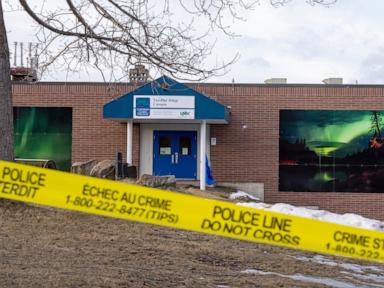
Cross-border crime usually brings images of contraband, financial fraud, or smuggling rings to mind. But federal prosecutors just revealed a much darker digital pipeline. A thirty-year-old resident of Bellingham, Washington, stands accused of conspiring with the perpetrator behind the devastating February school massacre in Tumbler Ridge, British Columbia.
The arrest exposes how easily lethal violence travels across invisible borders through chat apps and online forums. James Cody Bryant faces a federal charge of conspiracy to murder persons in a foreign country. If convicted, he could spend the rest of his life behind bars. The U.S. Department of Justice didn't treat this as an isolated case of bad online advice. They treated it as an active partnership in mass murder.
The Anatomy of an Online Conspiracy
Federal documents paint a grim picture of coordination. For six months leading up to the attack at Tumbler Ridge Secondary School, Bryant allegedly communicated extensively with the 18-year-old Canadian shooter, Jesse Van Rootselaar. Instead of reporting the warning signs, prosecutors say Bryant acted as a tactical advisor.
Court filings show direct exchanges where Bryant coached the shooter on layout efficiency. In one message highlighted by investigators, Bryant advised on architectural choke points, writing that hallways create escape paths and corners change body counts, while wide-open spaces maximize impact.
Money changed hands, too. Investigators found that Bryant sent funds directly to the shooter and agreed to stream the horrific event live. That detail shifts the narrative from passive radicalization to active facilitation. Someone sitting comfortably across the international boundary in Washington state allegedly helped script a tragedy that left nine people dead and over twenty-five injured in a remote northern British Columbia community.
The Broader Failures Exposed by Tumbler Ridge
The fallout from Tumbler Ridge extends far beyond a single Washington resident. Investigators discovered that the primary shooter maintained an active ChatGPT account that OpenAI banned months prior for generating explicit threats and discussions regarding gun violence. Despite safety triggers catching the behavior, the tech company didn't notify law enforcement. That silence has already sparked legal battles, including a lawsuit filed by British Columbia against OpenAI and its leadership.
People want simple answers when tragedies like this happen. They look for a broken home, a missed psychiatric intervention, or a local failure. But the modern threat landscape is decentralized. Transnational digital communities create echo chambers where isolated individuals find validation, tactical feedback, and financial backing from strangers thousands of miles away.
Why Cross-Border Prosecutions Matter
You might wonder why a U.S. court handles a case tied to a Canadian crime. Jurisdiction isn't a barrier when American citizens allegedly use domestic infrastructure to export terror or plan homicides abroad. The FBI and the U.S. Attorney's Office for the Western District of Washington moved quickly because international cooperation is the only counterweight to borderless digital radicalization.
Holding online co-conspirators accountable sends a clear message. Hiding behind a screen, sending funds via digital apps, or offering tactical advice from another country doesn't shield you from federal prison.
If you or someone you know is struggling with mental health or showing signs of radicalization, reach out to local crisis services or law enforcement immediately before digital chat rooms turn into real-world violence.



