Egypt just drew a hard line in the sand. Cairo's top security body announced its official commitment to back Saudi Arabia against intensifying drone and missile strikes from Yemen's Houthi rebels, signaling a major shift in regional defense alignments.
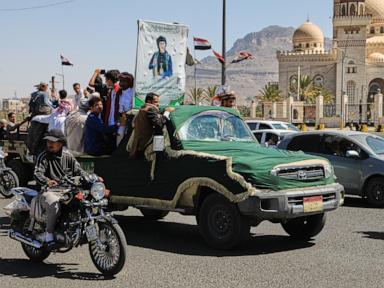
If you've been watching the Middle East lately, you know the stakes couldn't be higher. Iranian-backed Houthi forces have ratcheted up attacks targeting critical infrastructure, civilian areas, and airports across the kingdom. In response, Egyptian President Abdel Fattah el-Sissi moved quickly, asking parliament for constitutional authorization to deploy troops and military assets abroad if necessary.
Why Cairo Chose to Step In Now
National security in the Arab world doesn't operate in a vacuum. Egyptian officials made it clear that Saudi stability is directly tied to Egyptian security. When oil infrastructure and regional trade corridors face constant aerial threats, Cairo feels the economic and strategic pressure immediately.
The Egyptian National Defense Council convened a high-level meeting involving the prime minister, defense minister, army chief of staff, intelligence chief, and armed forces commanders. They didn't just offer polite diplomatic statements. They pledged "all necessary and possible forms of support" to defend Saudi territorial integrity and protect Islamic holy sites.
The Wider Regional Ripple Effects
This pact doesn't just involve two capitals. It links directly into the broader standoff involving Iran. With Iranian Foreign Minister Abbas Araghchi and Egyptian Foreign Minister Badr Abdelatty holding urgent phone consultations over regional developments, diplomatic channels are spinning as fast as military preparations.
At the same time, religious institutions are trying to carve out space for peace. Egypt’s Al-Azhar, the foremost Sunni Muslim authority, called for an urgent mediation committee to halt the spiraling violence before it drags the entire region deeper into a multi-front war.
Yet on the ground, diplomacy is taking a backseat to air defense sirens. Saudi civil defense reported projectiles landing in residential areas like Najran province, wounding civilians and forcing flight disruptions. Meanwhile, Houthi-run channels in Yemen reported heavy retaliatory airstrikes and civilian casualties following strikes in northern districts.
What Comes Next
Egypt hasn't publicly detailed the exact military footprint it plans to deploy. But el-Sissi's push for parliamentary approval means Cairo wants the legal muscle ready to move troops or equipment on short notice.
The immediate future depends on whether international mediation can slow down the projectile launches or if the security pact turns into active boots on the ground. Keep an eye on parliamentary votes in Cairo and diplomatic readouts from Riyadh. This crisis is moving fast, and traditional red lines are disappearing.



