Political gridlock in the Balkans can turn on a single clock hand. When Kosovo's parliament sat down for a marathon late-night session, they weren't just debating procedure. They were racing against a constitutional deadline that threatened to dissolve the entire 120-seat assembly and trigger costly snap elections.
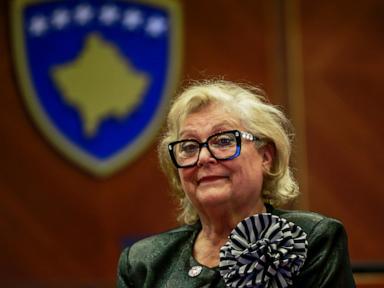
Lawmakers pulled off a midnight save by electing economist and academic Justina Shiroka Pula as the country's new president. Securing 81 votes out of 83 cast, Shiroka Pula cleared the high bar needed to fill the largely ceremonial post just hours before the constitutional guillotine dropped.
If you've followed Balkan politics for long, you know that legislative brinkmanship is basically a spectator sport. Yet, the stakes this time were unusually real. An early election would have injected fresh instability into a fragile economic and institutional climate, freezing foreign investments and stalling essential governance reforms.
Why This Late Night Drama Matters
You might wonder why a presidential vote in a parliamentary system causes such intense political panic. In Kosovo, the head of state holds significant constitutional responsibilities, including acting as commander-in-chief and steering foreign policy, while also serving as a critical guarantor of institutional stability.
Failing to elect a president within the strict constitutional window doesn't just leave a chair empty. It triggers an automatic dissolution of parliament. Parties are forced back onto the campaign trail, spending millions of euros and months of legislative time while pressing state business sits gathering dust.
The initial hours of the session didn't look promising. Only 65 members of parliament showed up initially, falling fifteen votes short of the mandatory quorum required to hold the election. Panic whispered through the chamber. Rumors of an imminent collapse spread fast.
Yet, political survival is a powerful motivator. Parties scrambled behind closed doors, ironed out compromises, and dragged enough reluctant deputies back into the chamber to secure the numbers before midnight expired.
Stepping Into the Role
Justina Shiroka Pula brings a sharp academic and economic background to the presidency. Transitioning from economics to the highest office of state gives her a distinct lens on Kosovo's ongoing financial hurdles. The country has wrestled with inflation, shaky infrastructure, and the constant pressure of youth unemployment driving emigration toward Western Europe.
Her election prevents a chaotic summer of campaigning and lets the current parliament finish its mandate. But winning the vote is the easy part. The real test is whether she can bridge deep partisan divides and act as an effective mediator when political friction flares up again.
What Comes Next for Pristina
With the immediate threat of a snap election neutralized, the focus shifts back to policy execution. Lawmakers can finally redirect their energy toward long-term governance instead of survival mode.
If you want to understand where Kosovo goes from here, watch how the executive branch interacts with local municipalities and international allies. The political machinery dodged a bullet at midnight, but the underlying tensions in the assembly haven't vanished. They've just been pushed to the next legislative battleground.
Kosovo Parliament Elects Justina Shiroka Pula as President
This video provides a detailed breakdown of the parliamentary session and the political mechanics behind the presidential election.



