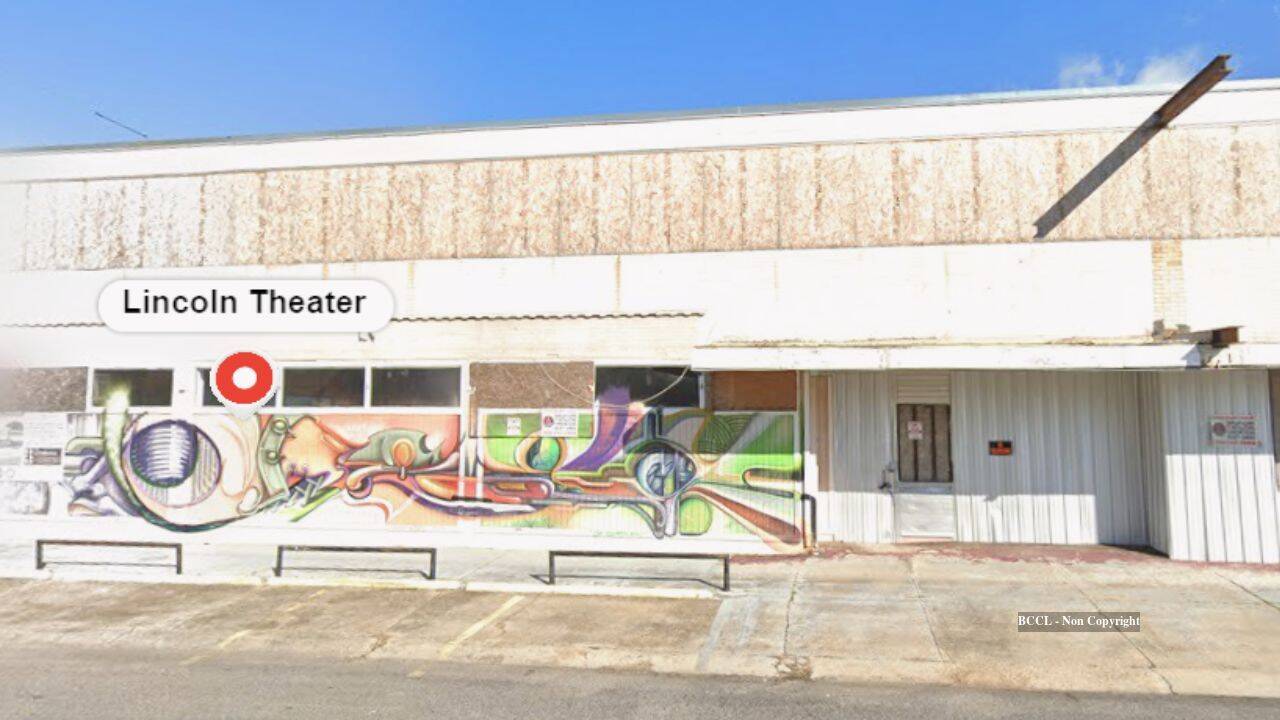
Some buildings refuse to stay dead. In South Baton Rouge, the Lincoln Theater stood as a crumbling shell for decades, ignored by city planners and beaten down by weather. That changes now. After more than ten years of grueling fundraising, volunteer grit, and a four million dollar investment, this legendary cultural anchor is opening its doors once again.
You cannot separate the story of the Lincoln Theater from the raw history of segregation. Opened in 1949, the venue served as a lifeline for Black residents who were barred from mainstream entertainment venues. It was not just a movie house. It was a thriving ecosystem featuring a barbershop, a deli, a pharmacy, and offices that eventually turned into command centers for local civil rights organizers.
Big names graced that stage during its golden era. Legends like James Brown, Louis Armstrong, Cab Calloway, and Lionel Hampton performed there, drawing crowds who knew they were part of something electric. But the building's importance stretches far beyond entertainment.
When the 1953 Baton Rouge bus boycott erupted, it became one of the foundational campaigns of the broader Civil Rights movement. Reverend T.J. Jemison used the Lincoln Theater complex as a critical strategy hub. Dr. Martin Luther King Jr. even met with Jemison there, studying the Baton Rouge carpool and boycott framework before applying those exact tactics to the 1956 Montgomery campaign. That history alone makes the building a national treasure, which is why its listing on the National Register of Historic Places in 2010 came as no surprise.
Getting from a crumbling landmark to a fully restored venue took an extraordinary amount of stubborn persistence. Brenda Perry Dunn, founder of the Louisiana Black History Hall of Fame, led an army of volunteers through years of stalled funding, construction roadblocks, and rising material costs.
Preservationists did not just slap a coat of paint on the exterior and call it a day. They went to extraordinary lengths to respect the original architecture. The new exterior windows came from the exact same manufacturer that made the original panes. Workers preserved the historic terrazzo floor tiles and matched them seamlessly with a new seventeen-foot tile entryway. Inside, the stage curtains feature the exact same embroidered script letter "L" as their historic predecessors, while the orchestra section boasts custom crimson upholstered seats.
The October 29 ribbon-cutting ceremony marks its official return, coinciding with its seventy-seventh anniversary. Visitors walking into 1305 Myrtle Walk Street will find a fully updated facility that houses the Louisiana Black History Hall of Fame Museum and Cultural Center alongside the restored auditorium.
The venue's future looks just as active as its past. UpStage Theatre, a Baton Rouge arts organization founded in 2002, will run the performance programming. Expect local staged productions, independent films, and dedicated educational workshops for children and young people. The museum spaces will feature interactive digital kiosks highlighting historic performers, civil rights pioneers, politicians, and educators.
For longtime locals who remember catching movies there as kids, watching the Lincoln Theater rise back up feels surreal. It proves that historic preservation is about more than bricks and mortar. It is about refusing to let a community's memory be bulldozed away.



