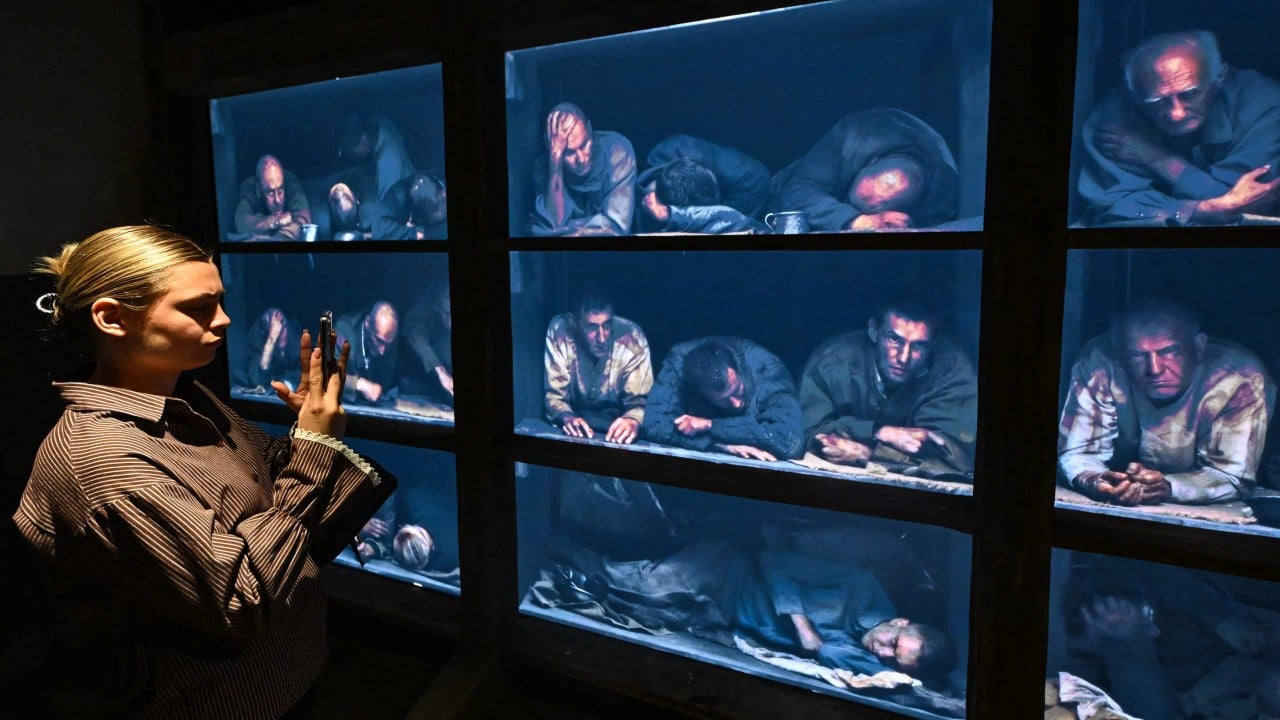
History isn't just written by the victors. Sometimes, it's scrubbed clean, repackaged, and put on display to serve whatever political narrative dominates the present day. If you want to understand how modern governments weaponize the past, look no further than Moscow’s recent cultural shifts.
The transformation of institutional memory in Russia isn't subtle anymore. When a cultural landmark dedicated to historical trauma gets elbowed out by a state-approved installation focusing on external victimhood, it signals a massive ideological shift. The newly established "Museum of Memory" replaces spaces that once confronted the brutal realities of Stalin-era repression. Instead of analyzing internal state terror, forced labor camps, and political purges, the focus shifts entirely.
Why does this matter? Because collective memory shapes national identity. When a country stops examining its own internal atrocities, it stops asking hard questions about power, accountability, and justice.
The Erasure of State Terror
For years, institutions like the Gulag History Museum functioned as physical reminders of a dark chapter. They displayed personal belongings of prisoners, archival documents detailing arbitrary arrests, and testimonies from survivors of Soviet labor camps. It was uncomfortable. It was necessary.
Now, that raw accountability is getting replaced. The newly minted exhibits lean heavily into narratives commemorating the broader "genocide of the Soviet people." This shift from internal political repression to external aggression blurs the lines of who pulled the trigger. It frames citizens as victims of grand geopolitical struggles rather than victims of their own government's paranoia and cruelty.
When you frame history this way, Joseph Stalin stops looking like a ruthless dictator responsible for millions of deaths. He morphs into a stern manager who built an industrial superpower, regardless of the human cost.
Why Authoritarian Regimes Fear the Past
Dictatorships and strongman regimes have always struggled with history. The past is unpredictable. If citizens learn how easily rights were stripped away, how neighbor turned on neighbor, and how totalitarian systems devour their own people, they might start drawing parallels to the present.
That is why historical revisionism is never accidental. It's a calculated strategy.
- Shifting the Blame: Redirecting public focus away from state-sponsored purges toward external enemies unifies the population against outside threats.
- Sanitizing Leadership: Softening the image of brutal historical figures makes current concentrations of power feel less abnormal or dangerous.
- Controlling the Narrative: Monopolizing historical education ensures that alternative perspectives or inconvenient archives get buried under state propaganda.
The Cost of Forgetting
When societies sweep their darkest moments under the rug, those mistakes inevitably repeat. Ignoring the mechanizations of Soviet repression doesn't make them go away. It simply teaches the next generation that violence, censorship, and arbitrary power are acceptable tools of governance as long as they serve the collective state.
Memory is fragile. Once monuments are reframed and museums are reinvented to serve current political goals, finding the truth requires real effort. You have to look past the polished exhibits, question the official placards, and dig into archives that governments would rather leave closed.
History remains the ultimate threat to anyone trying to manufacture consent. Protect your understanding of the past, because once it gets rewritten, fighting for a better future becomes nearly impossible.



