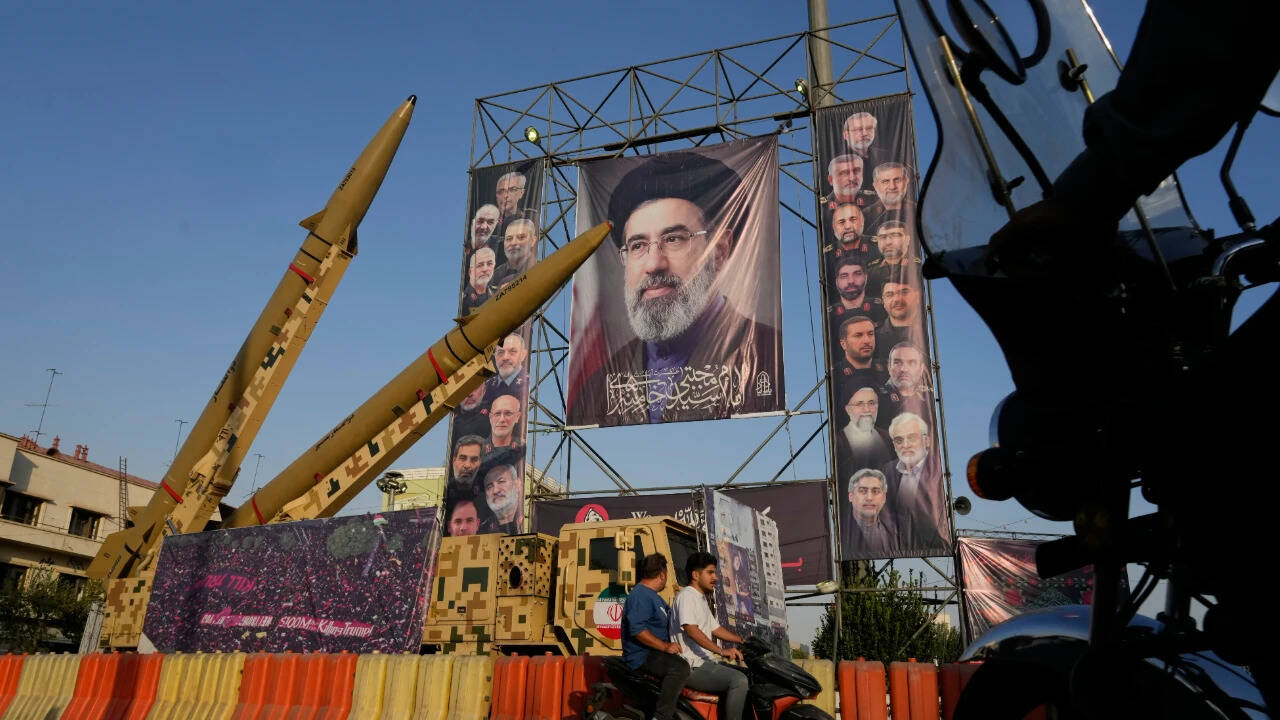
When a government starts squeezing its own security forces and proxy networks just to keep the lights on, you know the financial math has broken down completely. Tehran is facing a severe cash crunch. Months of intensive US pressure, a tight naval blockade, and aggressive asset seizures have cratered Iran's economy, leaving the Islamic Revolutionary Guard Corps scrambling for resources.
According to US Central Command chief Admiral Brad Cooper, the numbers tell a grim story for the Iranian regime. A continuing US naval blockade has stripped Tehran of roughly $25 billion in oil revenue. Meanwhile, coordinated actions by CENTCOM and the Treasury Department have successfully frozen $350 million in Iranian cryptocurrency. When oil exports tank and digital currency channels get locked down, the traditional lifelines dry up fast.
The Reverse Cash Flow Problem
For decades, Tehran acted as the bank, pouring cash, weapons, and support into regional proxy networks across the Middle East. Hezbollah, Hamas, and various Shia militias in Iraq relied heavily on consistent funding streams from the IRGC. Now, reality has flipped.
Reports indicate that these regional militia groups are actually withholding payments from their own fighters to funnel money back up to the IRGC. The financial strain has become so intense that the IRGC itself isn't paying its regular troops reliably. When your proxies have to bail out the mother ship, your economic model is deeply broken.
Domestically, the situation looks just as bleak. The Iranian government has begun withholding salaries, pensions, and vital benefits from public sector workers, internal security personnel, and military branches. People who enforce state control are feeling the squeeze directly in their bank accounts.
The Strait of Hormuz Chokepoint
Desperation breeds volatility. As the financial noose tightens, the IRGC has ramped up naval harassment and attacks against commercial shipping vessels moving through the Strait of Hormuz. They want to disrupt global energy markets, raise oil prices, and heap pressure on Washington.
Even with the uptick in hostile actions, the crucial waterway remains open. Hundreds of ships and millions of barrels of oil continue to pass through weekly. White House officials have occasionally paused kinetic strikes against Iranian missile and drone launchers near the strait, largely out of concern that a major escalation could spike global oil prices right ahead of domestic US midterm elections.
What Happens Next
Regional mediators have been pressing Iranian Foreign Minister Abbas Araghchi to respond to the latest diplomatic counterproposals coming out of Washington. Tehran is stalling, hoping political shifts in the West might yield a softer touch. But US officials and regional diplomats warn that waiting out the current administration is a high-stakes gamble with no guarantee of a better deal later.
Iran's financial insulation has worn thin. Between billions lost at sea, frozen crypto assets, and unpaid soldiers, the cost of Tehran's regional ambitions is finally catching up with the regime.



