Mass violence operations inside domestic shopping centers are every security planner's worst nightmare. When federal agents intercepted an active plot targeting the Mall of America near Minneapolis, it exposed a chilling window into how modern radicalization turns local teenagers into lone-wolf threats.
The suspect, an 18-year-old Minnesota resident named Sheikhdoon Abdullahi Mohamud, thought he was buying the tools for a massacre from a black-market contact. Instead, he was walking straight into an undercover federal sting that neutralized the threat before a single round could be loaded.
Inside the Intercepted Mall of America Plot
Court filings detail a terrifying timeline. Mohamud allegedly spent months communicating through encrypted messaging apps, shifting his ideological alignment from early ambitions of joining al-Shabaab overseas to swearing allegiance to ISIS. When international travel proved too difficult, he pivoted to domestic terror.
His chosen target wasn't random. Mohamud specifically targeted the Mall of America—the largest shopping and entertainment complex in the United States—intending to inflict maximum casualties during a crowded community gathering.
Investigators tracked his communications closely. According to the federal complaint, Mohamud stated his goal was to slaughter between 30 and 60 innocent people. He pinpointed October 24 as the date for the attack, specifically choosing it because a large public gathering, the Hmong Arts Celebration, was scheduled at the venue that day.
The Undercover Sting Operation
Law enforcement didn't wait for Mohamud to walk into a gun shop. Federal investigators used an undercover operative to monitor his movements and control the acquisition phase of his plot.
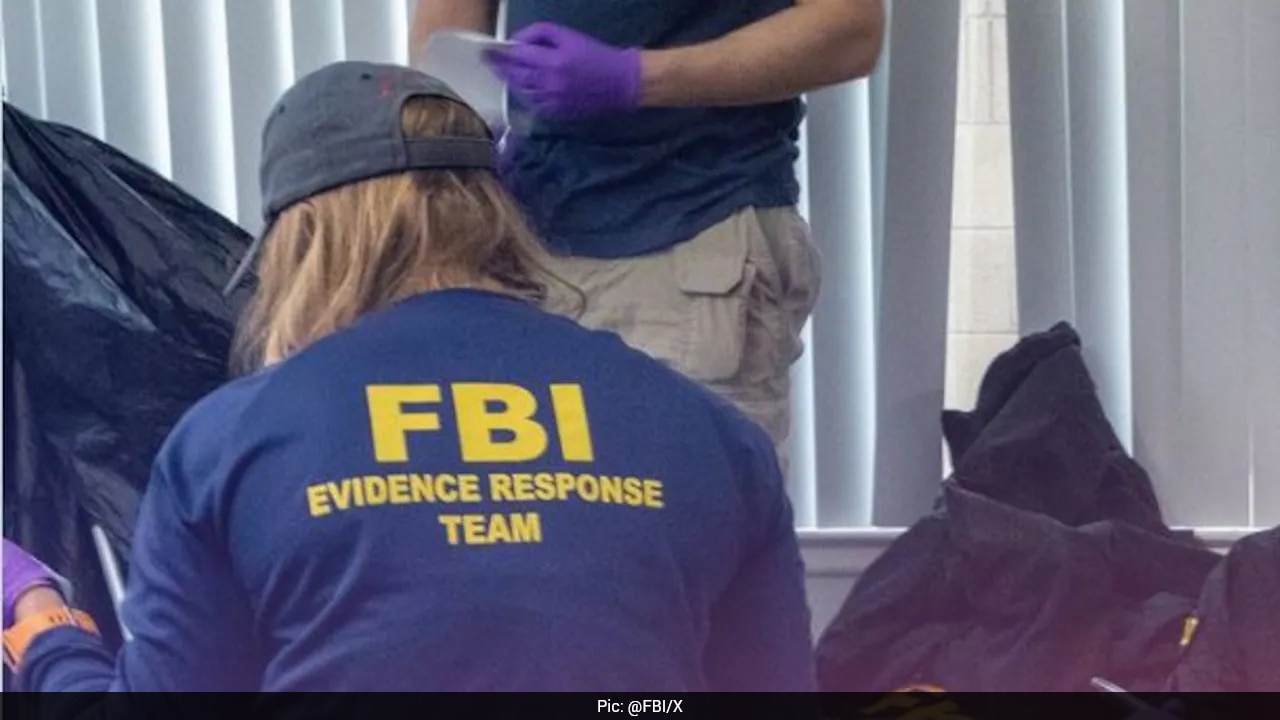
On Tuesday, the operation reached its critical turning point. Mohamud met with an undercover FBI agent to complete a transaction. He handed over $600 in exchange for an AK-47 rifle, four high-capacity 30-round magazines, and roughly 200 rounds of ammunition.
The moment the exchange concluded, federal agents moved in and arrested him. He was charged with one count of knowingly receiving a firearm and ammunition to commit an act of terrorism, appearing before US Magistrate Judge Elizabeth Cowan Wright in Minneapolis shortly after his capture.
The Reality of Domestic Radicalization
This case highlights a disturbing trend in modern counter-terrorism. Young individuals are increasingly radicalized online through decentralized propaganda networks rather than structured, physical terror cells.
Security analysts note that digital echo chambers allow extremists to groom minors and young adults with astonishing speed. They don't need flight tickets or military training camps. They just need an internet connection and a grievance.
The Mall of America has historically been a prime target for extremist propaganda due to its massive foot traffic, sprawling indoor architecture, and iconic status as a symbol of American consumer culture. Previous plots targeting the massive Minnesota complex have forced local and federal agencies to establish advanced, multi-layered security protocols combining visible patrols with deep digital intelligence-gathering.
When you walk through a major public venue today, you rarely see the invisible infrastructure protecting you. Counter-terrorism units rely heavily on digital informants, confidential human sources, and cyber-patrols to catch threats in the planning stage long before an attacker ever reaches a public concourse.
If you notice suspicious behavior or concerning online rhetoric regarding threats to public spaces, local law enforcement and the FBI field tip lines remain the primary channels for intervention. Staying vigilant is the first line of defense against modern extremism.