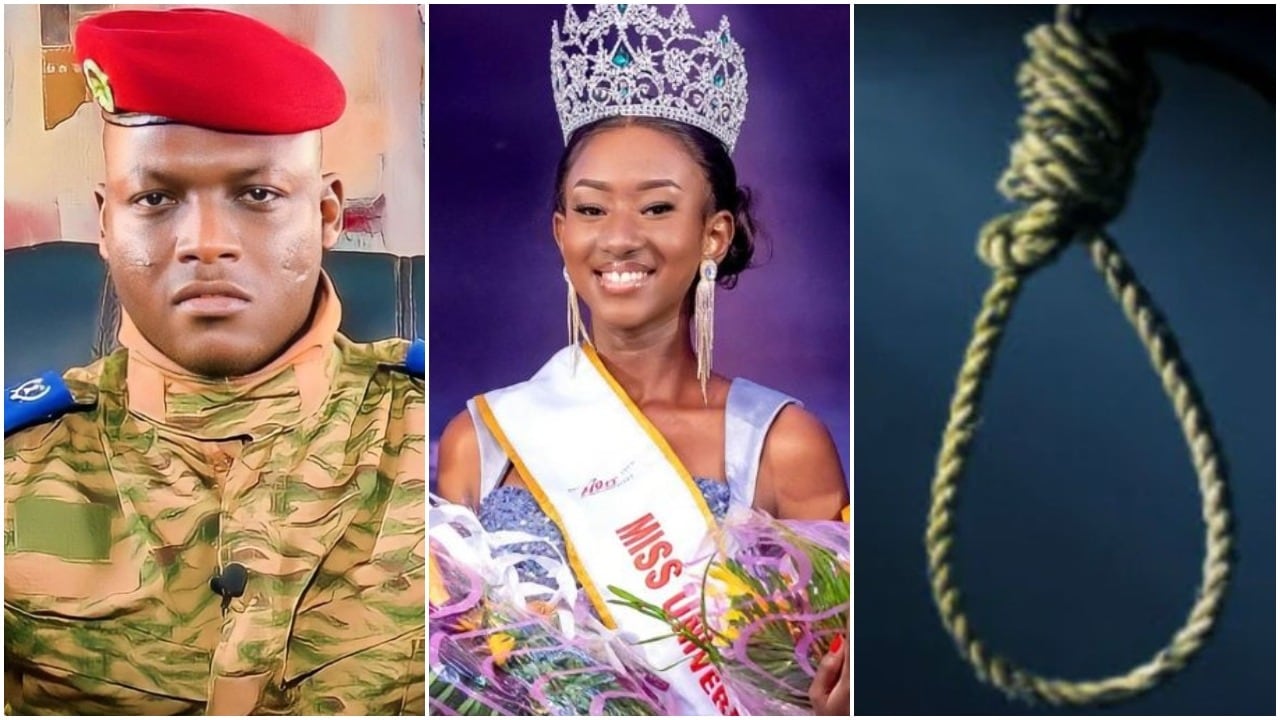
Burkina Faso is rewriting its legal code under military rule, bringing back capital punishment and halting commercial beauty pageants. If you have been following the political transformations across the Sahel, this move isn't happening in a vacuum. Captain Ibrahim Traoré's government is aggressively stripping away foreign cultural influences and restructuring the legal framework to enforce absolute state control.
Why the Death Penalty Is Back on the Table
The transitional parliament voted to restore the death penalty for severe offenses. We are talking about acts of terrorism, treason, espionage, patricide, and the importation of expired or banned products that cause fatalities.
Critics outside the country cry foul, pointing to international human rights standards. But inside Ouagadougou, the narrative sounds entirely different. For years, the nation has fought a brutal insurgency against extremist groups linked to Al-Qaeda and ISIS. Security forces and civilians have paid a heavy toll.
The administration views the reinstated death penalty as a necessary deterrent. When you are fighting an existential war against insurgencies threatening to tear the state apart, standard judicial caution gets thrown out the window. The government wants absolute deterrence, signaling that compromising national security carries the ultimate price. Analysts at Wikipedia have also weighed in on this situation.
The Crackdown on Beauty Pageants
While capital punishment grabs international headlines, the suspension of all beauty pageants across Burkina Faso marks a fascinating cultural pivot. The Ministry of Communications, Culture, Arts and Tourism hit pause on these contests, stating they need a complete overhaul to align with local traditions, cultural integrity, and social values.
For decades, urban centers like Ouagadougou hosted slick, Western-style pageants. State authorities now argue those events promoted superficial consumerism rather than authentic African heritage.
Instead of traditional pageantry, the state is redirecting young women toward intellectual and technical arenas. Look at the launch of the HAKILI Mousso national science competition. This initiative pushes young women toward mathematics, physics, and chemistry, offering substantial awards and educational backing to top performers. The message is direct: national development requires engineers and scientists, not runway models copying foreign templates.
Shifting Sovereignty Across the Sahel
You cannot separate these domestic policy shifts from the broader geopolitical realignment happening in West Africa. Burkina Faso, alongside neighbors Mali and Niger, has pulled away from traditional Western alliances—most notably France—and forged the Alliance of Sahel States.
Sovereignty has become the central currency of the region. Leaders like Traoré argue that true independence means breaking free from external political models, cultural norms, and security dependencies. Restructuring the criminal code and redefining cultural expression are tactical components of a single strategy.
Expect more structural changes as the transition continues. The administration isn't interested in maintaining the status quo. Whether these authoritarian measures secure long-term stability or isolate the country further depends entirely on how effectively the government can turn domestic security gains into lasting economic prosperity.


