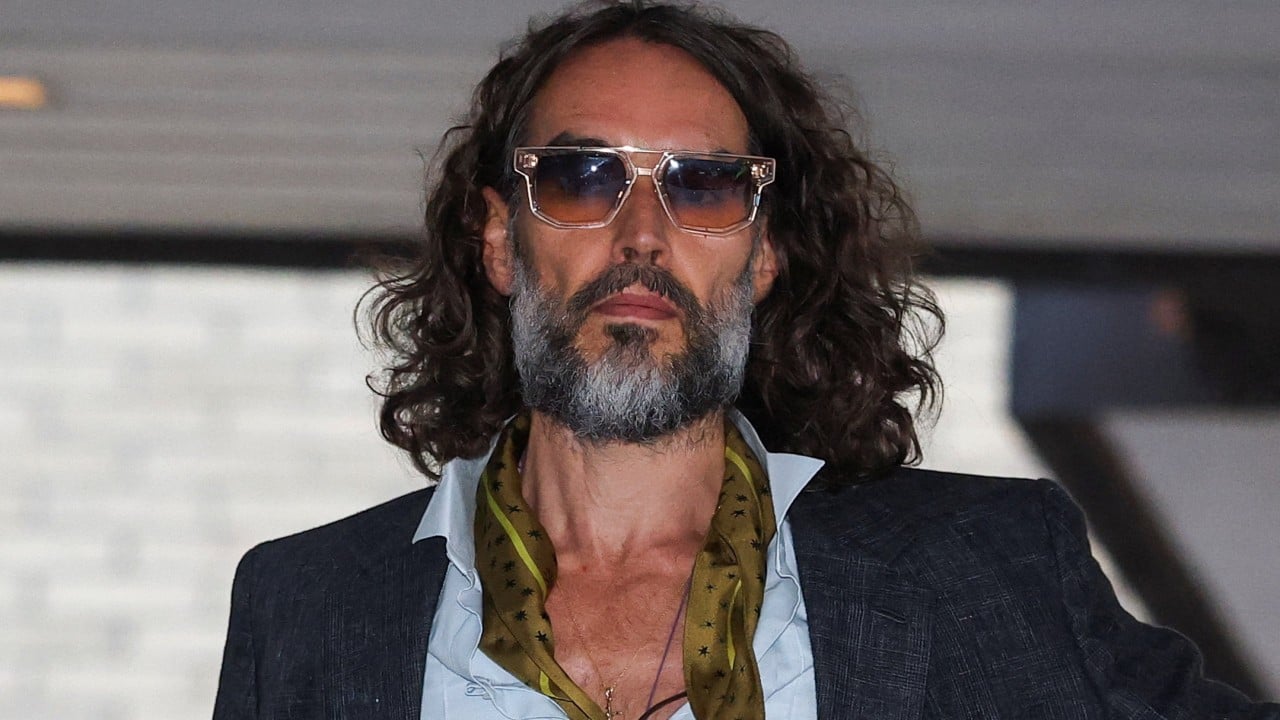
The trial unfolding at London's Southwark Crown Court is putting celebrity accountability, historic allegations, and the British legal system under an intense spotlight. Comedian and presenter Russell Brand faces multiple serious charges, including rape, sexual assault, and indecent assault, spanning a decade from 1999 to 2009. He denies all allegations, pleading not guilty to the charges brought against him by six women.
As court proceedings move forward, explosive testimony from complainants has captured global headlines. Jurors have listened to harrowing video-recorded police interviews and live witness accounts detailing alleged predatory behavior, power dynamics, and the heavy burden of keeping historic secrets.
The Prosecution Case and Courtroom Testimony
The Crown Prosecution Service, led by prosecutor Riel Karmy-Jones KC, opened the case by portraying Brand as a calculated and manipulative predator. Prosecutors argue that the 51-year-old entertainer exhibited an "indiscriminate and voracious" desire for sexual contact, leveraging his celebrity status and charm to target young, impressionable individuals during the peak of his fame.
Testimony from the early days of the trial included visceral accounts from complainants giving evidence from behind protective screens. One woman testified about an alleged 1999 attack following a fringe event at the Labour Party conference in Bournemouth, describing feeling like a "zombie" on a hotel bed. Another complainant detailed an incident in 2004 where she alleged Brand grabbed her breasts, flashed a maniacal grin, and dragged her into a locked Soho bar toilet to force a sexual act. To understand the complete picture, check out the detailed analysis by TIME.
Witnesses have openly addressed why they waited decades to report these incidents. Fear of not being believed, professional fallout, and the pervasive "lad culture" of the 2000s kept many silent until a joint journalistic investigation and documentary in 2023 prompted them to come forward to police.
The Defense Strategy and Legal Arguments
On the other side of the courtroom, Brand's legal team, headed by defence barrister Ian Winter KC, has pushed back aggressively against the allegations. In prepared statements given during police interviews and through cross-examinations, Brand maintains that he never engaged in nonconsensual sexual activity.
The defense has argued that public perception and the widespread 2023 media scrutiny may have influenced or distorted the complainants' memories over time. During cross-examinations, defense lawyers questioned the timeline of events, suggested that certain encounters were consensual or misinterpreted, and challenged the existence of a severe power imbalance during specific interactions.
Judge Mr Justice Bennathan has presided over the proceedings, instructing jurors to remain impartial and ensuring that standard measures, such as screens for vulnerable witnesses, do not prejudice the jury against either side. The trial is scheduled to last for several weeks as both sides present further evidence, expert testimonies, and cross-examinations.
What This Means for Historic Sexual Offence Trials
High-profile trials involving historic allegations face unique hurdles within the UK criminal justice system. Passage of time complicates evidence gathering, witness recollection, and physical corroboration. Yet, legal reforms over recent decades have sought to better support complainants through measures like video-recorded evidence and screens in court.
The case also highlights how public scrutiny intersects with the judicial process. Regardless of the final verdict delivered by the jury at Southwark Crown Court, the proceedings underscore systemic questions about fame, power, and how institutions handle allegations against influential cultural figures.
The trial continues.



