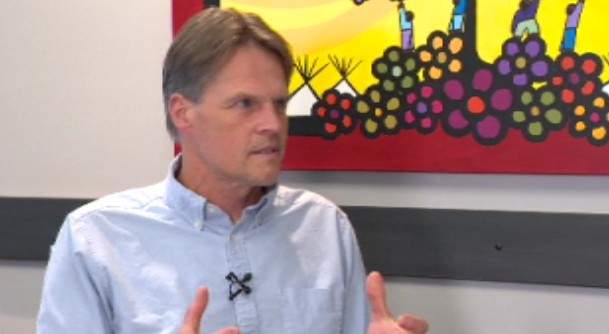
Eighteen years in municipal politics leaves a mark. For Charlie Clark, former mayor of Saskatoon, that time wasn't just about managing snow removal, zoning laws, or council chambers. It was a front-row seat to the systemic friction dividing communities across the prairies. Now, he's trading municipal politics for a different kind of heavy lifting at the office of Saskatchewan's treaty commissioner.
If you watched Clark's final term, you saw a shift. Mayors across Canada spent years dealing with overlapping crises. Housing shortages, surging homelessness, and crumbling infrastructure strained city budgets to breaking point. Clark noticed something else during those turbulent debates. The solutions weren't hiding in municipal manuals. They were sitting right across the table, waiting for better conversations to start.
Moving Beyond City Hall Bureaucracy
Municipal governments operate on four-year election cycles. That short-term horizon breeds reactionary policy. You patch potholes, you argue over tax hikes, and you try to survive the next budget vote. True systemic change requires a much longer view.
Clark spent nearly two decades inside that grind. When he stepped away from the mayor's office, he didn't retire to a quiet life of consulting. Instead, he took on the role of Treaty Relations Lead at the Office of the Treaty Commissioner of Saskatchewan.
Why make that jump? Because he realized local governments and First Nations communities share the exact same geography and the exact same problems. Yet, for generations, they operated in isolated silos. Municipalities built plans without consulting Indigenous leaders, and First Nations faced provincial and municipal roadblocks that made economic development unnecessarily difficult.
Bridging that gap requires deliberate effort. It isn't just about shaking hands at annual conferences. It means rewriting how local leaders approach land use, shared resources, and regional growth.
The Economics of Reconciliation
Local politicians often treat reconciliation as a moral obligation. Clark looks at it through a practical, economic lens. When municipalities and First Nations build genuine partnerships, everyone wins.
Think about regional infrastructure. Roads, water treatment plants, and emergency services don't stop at city boundaries or reserve borders. When neighbouring communities coordinate, projects cost less and deliver better outcomes.
During his time on Saskatoon City Council, Clark saw firsthand how collaboration changes the math. Working together on regional economic initiatives opens up federal funding streams and attracts investment that isolated towns or reserves could never secure on their own.
This isn't theory. Across Canada, progressive municipal leaders are realizing that economic reconciliation drives regional prosperity. When First Nations hold equity stakes in local businesses and infrastructure projects, community stability increases.
Creating Spaces for Hard Conversations
The biggest barrier to progress isn't a lack of goodwill. It's the absence of a working venue where leaders can talk honestly.
Municipal bureaucrats speak one language of bylaws and zoning permits. First Nations governance speaks another language grounded in treaty rights and ancestral stewardship. Translating between those two worlds takes patience.
In his new position, Clark's core mandate focuses on designing those exact spaces. You have to build trust before you can build infrastructure. That means sitting down with rural councillors who might feel threatened by change, alongside First Nation chiefs who have spent decades fighting a sluggish bureaucracy.
Progress happens slowly, then all at once. You create a working group. You draft a memorandum of understanding. Suddenly, a city council and a neighbouring First Nation are jointly planning commercial developments instead of fighting in court.
What This Means for the Prairies
Saskatchewan faces distinct economic pressures. Resource volatility, climate challenges, and rapid demographic shifts mean the old ways of governing won't cut it anymore.
Clark's pivot highlights a broader trend across Canadian politics. Leaders are recognizing that regional success depends entirely on Indigenous partnership. You can't plan a modern economy while ignoring the original stewards of the land.
If municipal leaders across the province take up this challenge, the political landscape will transform. Real leadership isn't about holding onto power in a council chamber. It's about knowing when to step into a harder role and fix the foundation from the ground up.



