We tell ourselves that capital punishment can be clinical, sterile, and humane. We imagine a quiet room, a sleepy injection, and a peaceful transition. Reality is messier. Far messier.
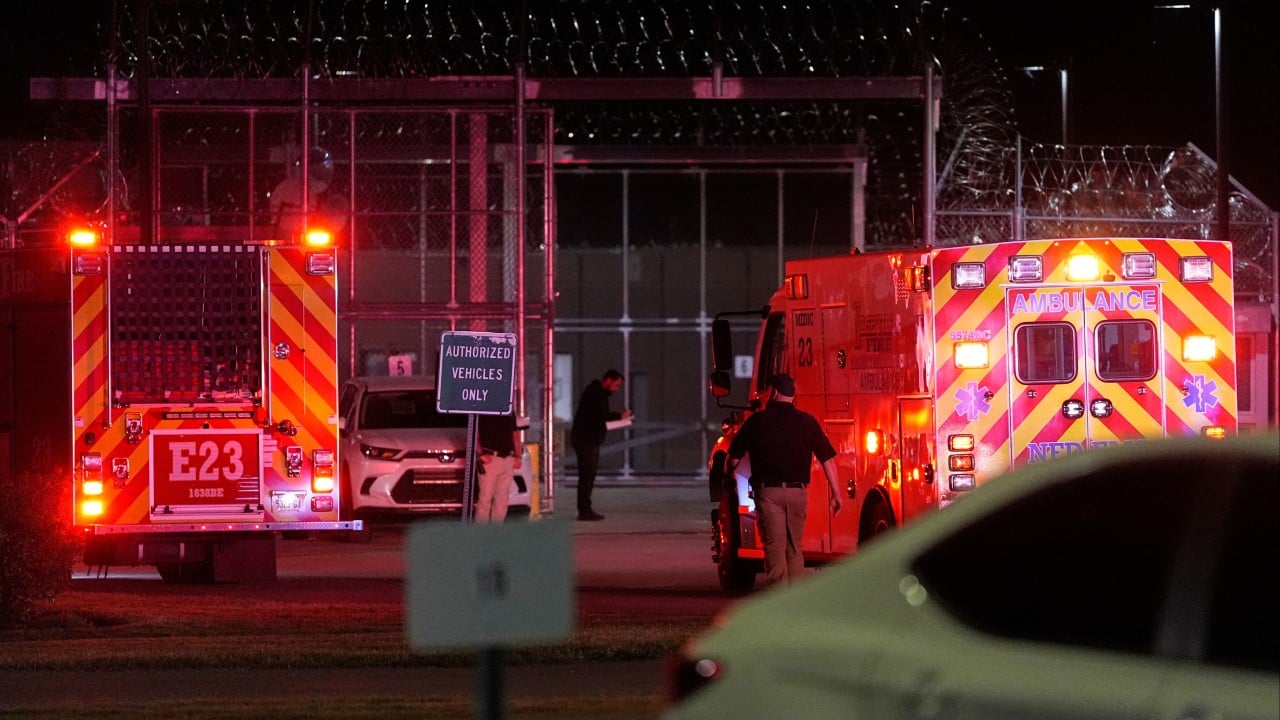
Court filings detailing the botched execution attempt of Christa Pike tear down that sterile illusion. Executioners struggled with ten needles and bent equipment while Pike survived two separate doses of pentobarbital. Her lawyers had warned officials ahead of time about a severe blood disorder that would cause clotting at injection sites. Nobody listened. When the intravenous lines failed, staff debated whether the situation involved "either blood or blown" veins. Instead of a swift procedure, the chaos escalated to the point where Pike's attorney had to physically run to the gate and call 911 herself because local dispatchers initially dismissed emergency reports as a prank.
Pike survived, was rushed to a hospital, put on a ventilator, and later returned to prison. But the incident exposed a massive systemic failure that goes far beyond a single state's department of correction.
Why Lethal Injection Keeps Breaking Down
Lethal injection was originally adopted to mimic medical euthanasia. Lawmakers wanted a method that looked gentle to outside observers. They wanted to avoid the electric sparks of the electric chair or the choking gas of chambers. Further analysis by Wikipedia highlights similar perspectives on the subject.
The core problem? Doctors won't do it. Medical ethics oaths explicitly forbid physicians from participating in executions. This leaves prisons relying on correctional staff or anonymous contractors who lack proper clinical training. Finding a viable vein under extreme pressure is hard enough for a seasoned ER nurse. For an untrained execution team dealing with an inmate who has a history of difficult veins or scar tissue, it becomes a guessing game.
When IV lines blow or drugs pool in surrounding subcutaneous tissue instead of entering the bloodstream, the intended pharmacological effect stalls. The inmate doesn't slip away quietly. They suffer prolonged physical trauma while staff scramble behind a curtain.
The Legal and Ethical Aftermath
When an execution fails, the state faces a unique constitutional crisis. The Eighth Amendment protects prisoners from cruel and unusual punishment. Surviving a botched state execution and being sent back to a cell to await another attempt pushes legal boundaries to the absolute breaking point.
Governors respond with temporary pauses and independent reviews. Yet these reviews rarely fix the root mechanical and medical rot. States struggle to acquire reliable execution drugs because pharmaceutical companies ban their products from being used in capital punishment. Prisons are forced to source compounded chemicals from sketchy suppliers under total secrecy. Secrecy breeds incompetence. Without transparent oversight, equipment breaks, protocols get ignored, and procedures turn into horror stories.
Facing the Gritty Truth
If a society chooses to retain the death penalty, pretending it is a clean medical procedure is a delusion. When execution teams fumble with ten needles and lawyers are forced to dial emergency services from the prison gates, the process has failed its own justification.
Look closely at what happened behind closed doors in Tennessee. Stop pretending that capital punishment can be sanitized. The machinery of state execution is breaking down, and no amount of protocol review can hide the blood.



