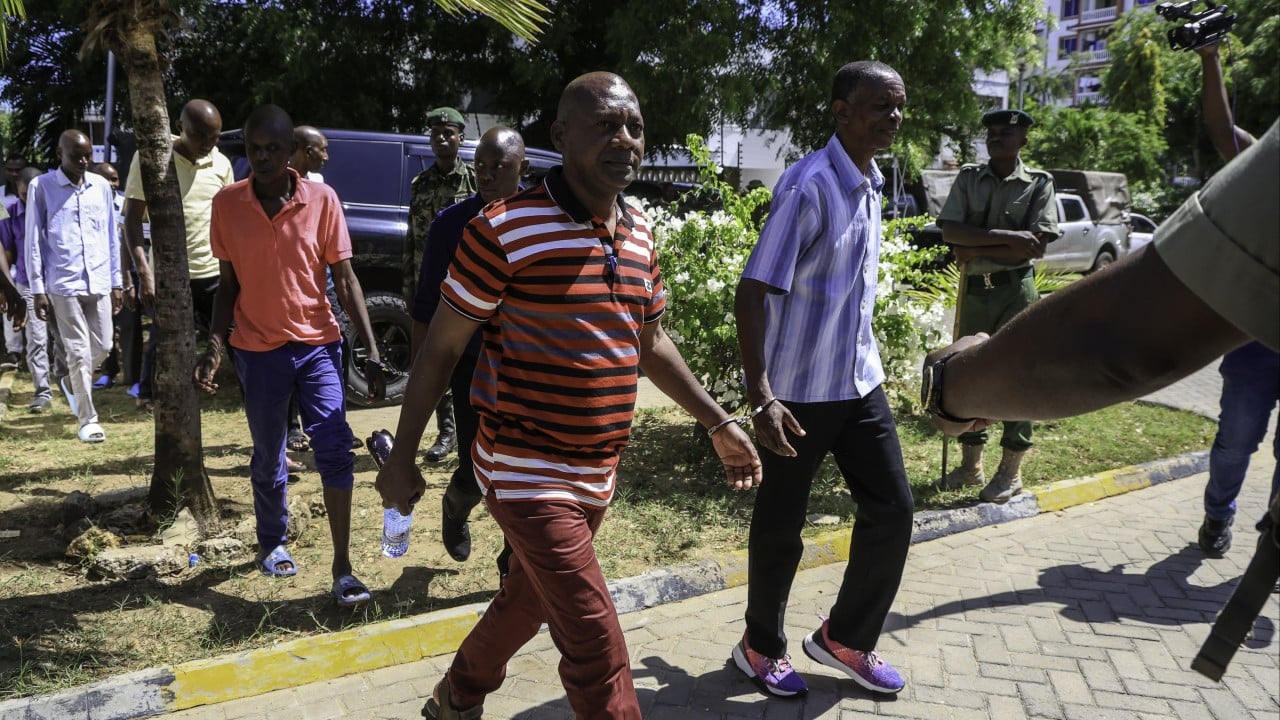
The headlines out of Mombasa on Monday were stark and chilling. A Kenyan court found self-proclaimed pastor Paul Mackenzie and nearly thirty of his associates guilty of murder over the deaths of 190 children and one adult. It is a grim milestone in one of the worst cult-related mass disasters in modern history.
If you've been following the Shakahola Forest massacre, you already know the basic narrative. Followers of the Good News International Church were told to starve themselves to death so they could meet Jesus before the world ended. But looking at this purely as a bizarre criminal case misses the deeper systemic failures that allowed a radical preacher to operate unchecked for years in southeastern Kenya.
How the Shakahola Cult Operation Worked
Paul Mackenzie didn't build his following overnight. He founded his church way back in 2003, slowly drawing thousands of vulnerable devotees from Nairobi and coastal towns. When economic pressures mounted during global crises, his messaging shifted toward radical doomsday philosophies. He urged followers to abandon their jobs, pull their children out of school, and retreat into the dense isolation of the Shakahola Forest.
Once inside the forest compound, the control mechanisms tightened. Starvation wasn't just a passive choice; prosecutors proved it was enforced through systemic deprivation, beatings, and physical violence. Post-mortems revealed that while starvation was the primary cause of death, many victims also suffered from blunt force trauma, asphyxia, and neck compression.
Children bore the brunt of the horror. Out of the initial milestone judgment covering 191 deaths, 190 were minors.
The Red Flags Authorities Missed
What makes the Shakahola tragedy so infuriating is that it wasn't hidden. Local human rights groups and families had flagged Mackenzie's activities years before the mass graves were discovered in April 2023. In fact, Mackenzie had been arrested previously in 2017 and 2019 over radicalization and the starvation deaths of children, yet he managed to slip through the cracks of the legal system each time.
When police finally raided the property following a desperate tip-off, they uncovered a landscape of shallow mass graves. The final death toll across the wider investigation ballooned to over 400 people, overwhelming local morgues and prompting heartbreaking forensic identification efforts. Only a fraction of the bodies have been identified because decomposition was so advanced.
Why Do People Fall for Extremist Cults?
It is easy to sit back and ask how anyone could fall for such obvious manipulation. But cult leaders don't target people at random. They prey on economic desperation, social isolation, and a deep human desire for certainty in chaotic times. Mackenzie offered his followers a narrative where their suffering had cosmic meaning.
When you strip away the religious jargon, the mechanism of control is always the same:
- Complete isolation from friends, family, and independent media.
- Total financial surrender to the leader.
- Escalating demands that test a follower's psychological boundaries.
- The creation of an "us versus the world" paranoia.
Moving Beyond the Courtroom
The guilty verdict handed down by the Mombasa court brings a measure of legal accountability, but it doesn't fix the gaps in community policing and child protection that allowed this nightmare to unfold. Over thirty co-accused individuals await their sentencing alongside Mackenzie, and investigations into other recovered bodies remain active.
True justice requires looking hard at how fringe groups radicalize unchecked. Communities need better support networks, and law enforcement agencies must take early warnings from families seriously before isolation turns fatal.
Take a moment to check on vulnerable friends or relatives who suddenly drop out of contact with the outside world. Recognizing the early warning signs of isolation is the only real defense against predatory extremism.



