A devastating fire at Canadian Forces Base Wainwright in Alberta has left four service members dead and dozens critically injured, shaking the nation to its core. Prime Minister Mark Carney labeled the incident one of the worst peacetime domestic tragedies in Canada's modern military history. When a base of this magnitude experiences an emergency resulting in mass casualties, questions about safety protocols, infrastructure resilience, and emergency response times immediately take center stage.
CFB Wainwright sits roughly 210 kilometers east of Edmonton and functions as a primary training hub for the Canadian Armed Forces. The vast facility routinely handles heavy equipment, live-fire exercises, and large numbers of personnel. Yet, a disaster of this scale hitting a domestic installation reveals vulnerabilities that defense officials cannot ignore. National Defence Minister David McGuinty rushed to the region to coordinate responses, while local municipalities faced sudden, overwhelming pressure.
The Strain on Local Emergency Infrastructure
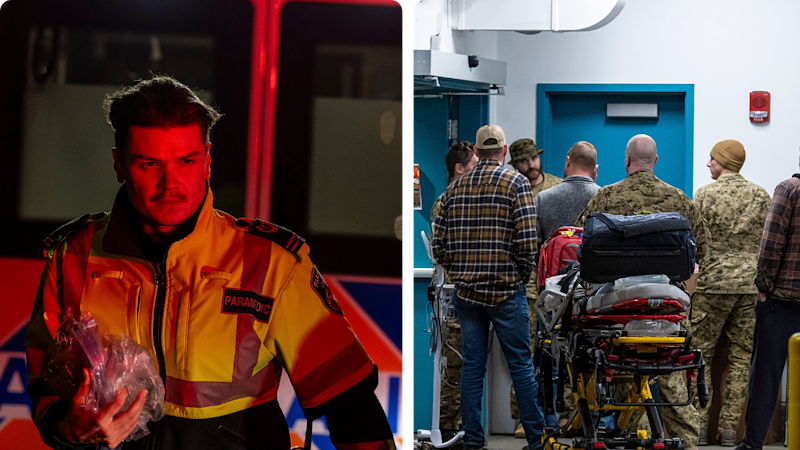
When mass casualties hit a remote or regional military base, local civilian hospitals bear the brunt of the initial surge. Wainwright Mayor Bruce Pugh pointed out a harsh reality: the town's small hospital was never built to handle a multi-casualty disaster of this proportion. Local medical staff performed heroically, but they had to rely heavily on emergency airlifts, utilizing helicopters and planes to shuttle critical patients to larger facilities in Edmonton and surrounding areas.
This bottleneck exposes a persistent risk in rural military postings. While bases maintain internal fire and medical response teams, catastrophic structural or fuel-fed blazes often overwhelm local resources instantly. Families of injured personnel, like Cathy Keane—whose eldest son was among the critically hurt—faced frantic cross-province travel just to reach bedside care.
Accountability and the Road Ahead
As investigators comb through the wreckage at CFB Wainwright, the pressure on the federal government is mounting. Canadians want to know what sparked the massive fire and why the response units couldn't contain it before lives were lost. Carney announced that flags across federal buildings would fly at half-mast, but symbolism offers little comfort to grieving families.
Military analysts are already questioning whether aging infrastructure on Canadian bases is receiving adequate funding for fire suppression upgrades and safety overhauls. Peacetime losses on domestic soil hurt deeply because they are entirely preventable when safety protocols are rigorously enforced.
Expect tougher scrutiny on defense budgets and base maintenance schedules in the coming weeks. The military must release transparent findings to restore public trust, and lawmakers must ensure that regional base hospitals receive the resources required to handle worst-case scenarios without relying on stretched local clinics.