Olive branches usually symbolize peace. Right now in the West Bank, they are triggering diplomatic incidents.
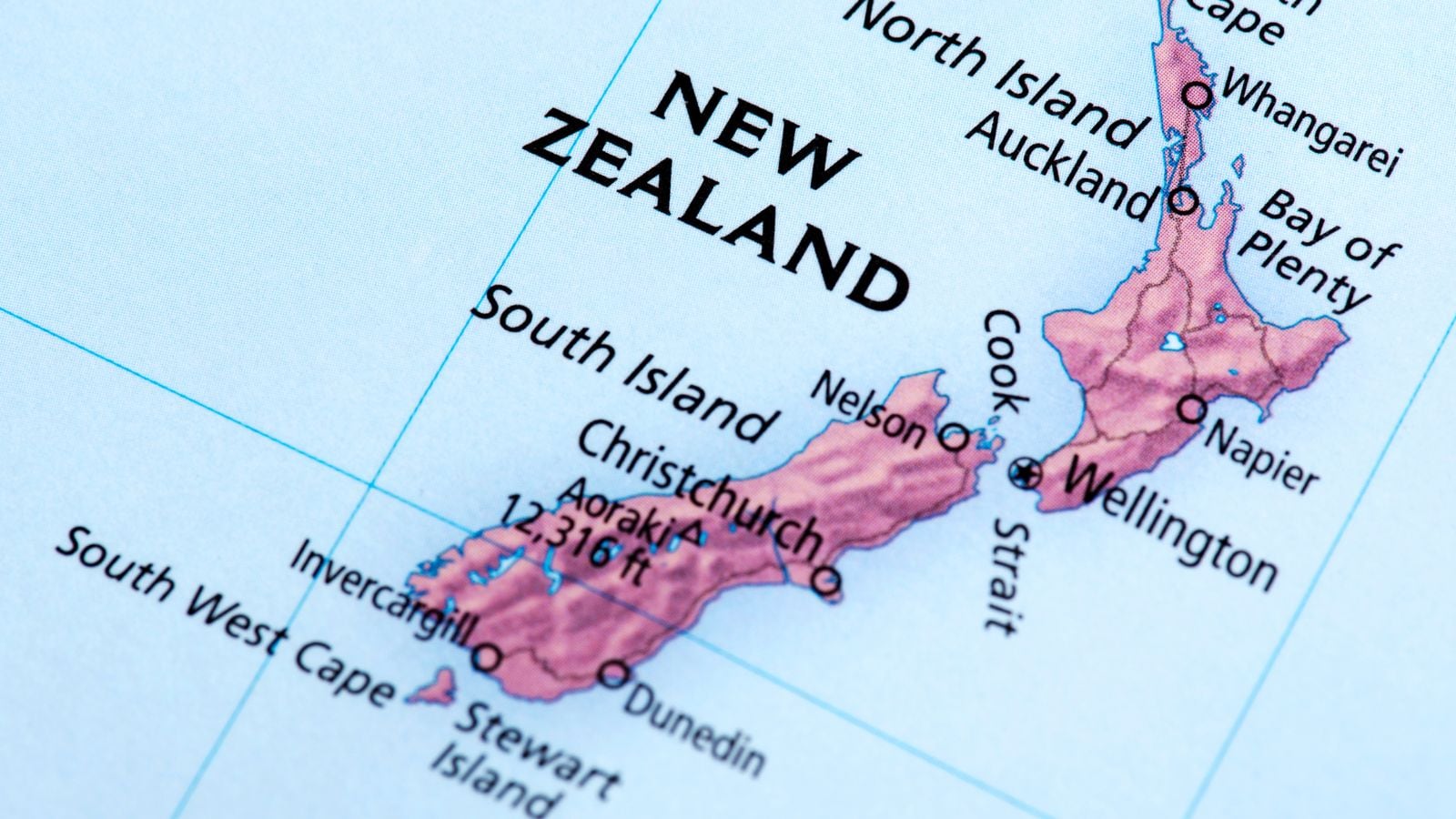
Israeli forces detained roughly 80 international and Israeli activists, including U.S. Democratic congressional candidate and former New York City Comptroller Brad Lander, during an olive harvest near Bethlehem. While Lander was released hours later with a warning, dozens of other volunteers and rabbis remain in custody. This wasn't a random administrative mix-up. It represents a flashpoint in the ongoing struggle over agricultural land, protective presence advocacy, and escalating tensions in the occupied territories.
You need to understand what actually happened on the ground and why this particular detention has grabbed international headlines.
What Led to the West Bank Detentions
The incident unfolded near the village of Nahalin. Palestinian farmers were trying to gather their annual olive crop, an economic lifeline accounting for a significant share of the local GDP. For years, human rights organizations like Rabbis for Human Rights have organized protective delegations. They stand side-by-side with local farmers to shield them from settler violence, intimidation, and unauthorized land grabs.
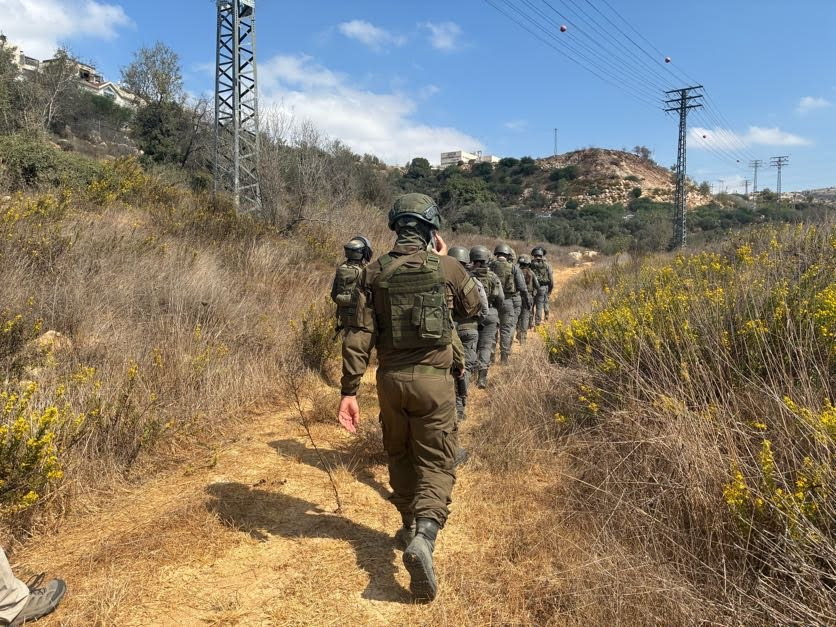
Lander and a coalition of American, British, Canadian, and Israeli volunteers joined the farmers for a routine harvest. Within two hours, Israeli military drones began circling overhead. Soldiers and police officers arrived in force, declared the farmland a closed military zone, and rounded up the group.
Organizers stated they received no prior notice of the closure order. When they offered to leave immediately, security forces refused and bussed them to a police station anyway.
The Official Explanation Versus Activist Accounts
The Israeli military defended the arrests by stating that the farmers and volunteers failed to submit proper coordination requests ahead of time. According to military statements, uncoordinated harvesting near settlements creates acute security risks and serves as a deliberate provocation meant to disrupt the area.
Activists tell a radically different story. They argue that requiring prior permits for Palestinian landowners to access their own ancestral property is a structural tool designed to clear the land for settlement expansion.
Lander posted to social media from a bus while in custody, writing that picking olives is not a crime under any law. He was freed quickly due to his public profile as a congressional nominee, but he immediately demanded the immediate release of the remaining volunteers who stayed behind bars without formal charges.
Why This Matters Beyond Local Politics
This event is not isolated. Just a day prior, European diplomats faced attacks from settlers in the same region, and assaults on Palestinian residents have surged. When American political figures like a congressional candidate are swept up in mass detentions during a peaceful agricultural activity, diplomatic pressure spikes immediately.
Washington watches closely whenever U.S. citizens are detained by foreign military forces, but the political fallout for American candidates engaging in direct action abroad introduces new layers of scrutiny. Critics argue that American politicians should focus on domestic legislative levers rather than putting themselves on the front lines of foreign military zones. Supporters counter that personal visibility is the only way to draw international eyes to systemic injustices that routine diplomatic channels ignore.
What Comes Next for the West Bank Harvest
The olive harvest runs through the autumn months, and tensions show zero signs of cooling down. Security checkpoints, closed military zones, and settler friction will continue to define the agricultural season for Palestinian villagers who simply want to pick their crops without fear of arrest or assault.
If you are following this situation, keep your eyes on the status of the remaining detainees and watch how congressional offices respond as campaigns enter their final stretches. The intersection of domestic U.S. electoral politics and frontline Middle Eastern activism has just entered uncharted territory. Support local monitoring organizations, track official consular updates if you have family traveling in the region, and look past surface-level headlines to understand the underlying land disputes driving these conflicts.