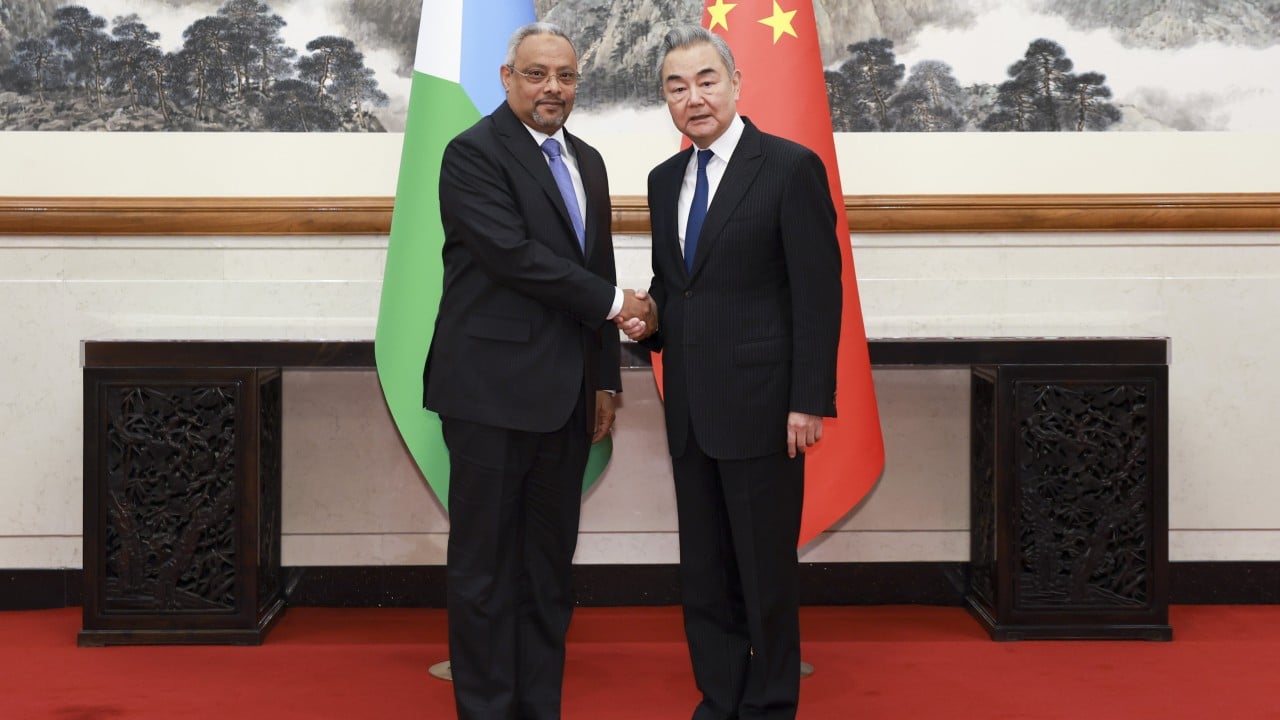
The choke point of global shipping is bleeding trade cash, and Beijing is tired of watching. When Chinese Foreign Minister Wang Yi met with Djibouti's Foreign Minister Abdoulkader Houssein Omar in Beijing, the two nations dropped a joint communiqué that changed the diplomatic tone in the Horn of Africa and the Red Sea. They didn't just talk about bilateral ties. They demanded that the Bab el-Mandeb strait stay open, putting regional sovereignty and international trade security front and center.
If you are wondering why this matters right now, look at your shipping bills or energy costs. For months, disruptions near Yemen and the Red Sea have forced commercial vessels to bypass the Suez Canal route entirely. They are sailing all the way around Africa's Cape of Good Hope instead. That adds weeks to transit times and burns massive amounts of fuel. China relies heavily on these maritime routes to move manufactured goods to Europe and bring oil imports back home.
What makes this particular diplomatic move fascinating is the partner. Djibouti hosts China's first overseas military base, established in 2017. By issuing a joint statement with Djibouti, Beijing is signaling that it wants regional littoral states—not external Western powers—to take the lead in securing maritime lanes. Wang Yi framed this approach around respecting the sovereignty and territorial integrity of Red Sea nations, while throwing subtle shade at unilateral Western military interventions and sanctions that haven't actually solved the underlying security crisis.
Let's look at the broader picture. Western coalitions have tried patrolling the area with warships to stop Houthi attacks on commercial shipping, but those efforts haven't fully restored normal commercial confidence. Insurance rates for cargo ships heading through the Gulf of Aden remain sky-high. China's strategy relies on a different diplomatic playbook. Beijing has maintained back-channel communications with various actors in the region, including contacts linked to Yemen, trying to carve out safe passage for its own cargo and allied vessels.
This joint statement with Djibouti acts as a formal anchor for that policy. It gives Beijing moral high ground in the Global South by championing local sovereignty over foreign gunboat diplomacy. At the same time, it puts pressure on the international community to find a political settlement rather than a purely military one.
The economic stakes are massive. As global supply chains face renewed pressures and freight markets fluctuate, keeping the Bab el-Mandeb strait open is an urgent economic necessity. Don't expect Beijing to deploy an armada to clear the strait by force, because that contradicts its non-intervention rhetoric. Instead, expect a heavier diplomatic push, increased security coordination with local partners like Djibouti, and continuous quiet talks to secure transit lanes.
Check your logistics contracts and watch how energy futures respond. The Red Sea is no longer just a regional flashpoint. It is the main testing ground for who gets to write the rules of maritime trade in the twenty-first century.