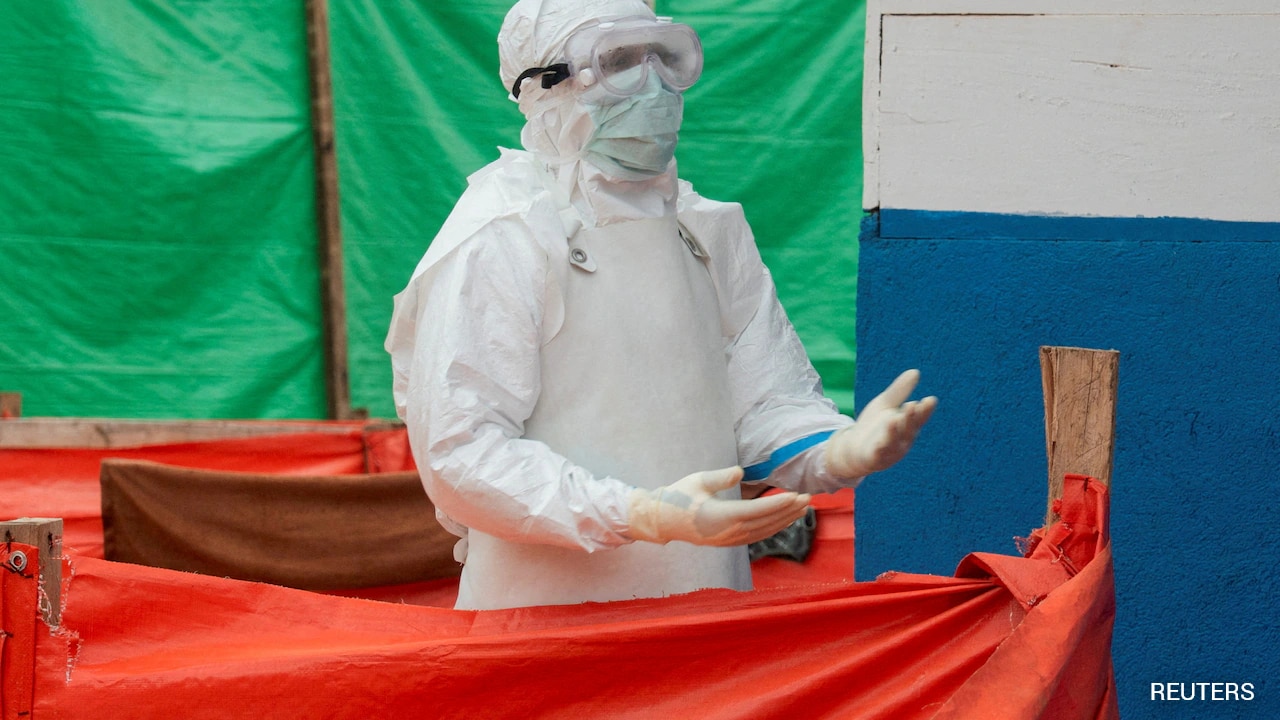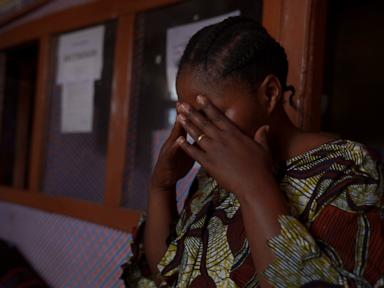
When a schoolteacher in eastern Congo discovered that five of her family members had contracted Ebola, the immediate physical threat was only the beginning of a much deeper nightmare. She lost multiple relatives—including a man she viewed as a father—while neighbors in her Bunia neighborhood retreated in terror. People whispered, avoided her home, and treated her surviving family as if they were cursed.
Medical interventions stop viruses, but they rarely heal the invisible scars left behind. Across the Democratic Republic of Congo, the latest Ebola outbreak isn't just a clinical emergency. It's a psychological catastrophe driven by social isolation, severe trauma, and the crushing weight of community stigma.
The Dual Weight of Loss and Isolation
Dealing with the sudden death of a loved one is agonizing under any circumstance. When that death happens during an Ebola outbreak, standard mourning rituals vanish. Safe and dignified burial protocols mean families can't wash bodies, hold traditional wakes, or gather for closure.
Instead, survivors face compounded grief. At mental health treatment facilities in Bunia, patients describe a profound sense of abandonment. Neighbors stay away. Friends cross the street to avoid eye contact. For additional information on this development, comprehensive analysis can also be found on Medical News Today.
As healthcare professionals point out, the isolation is total. When you return home after losing family members and beating the virus yourself, you expect relief. Instead, you find yourself treated like an ongoing threat. The neighbors are afraid to come near. You feel entirely alone.
Why Stigma Thrives During Public Health Crises
Stigma doesn't appear out of nowhere. It feeds on fear, misinformation, and historical trauma. Early symptoms of Ebola—fever, body aches, fatigue—often mimic common illnesses like malaria or poisoning. When multiple people in a single household fall ill, rumors spread fast.
Government data highlights just how volatile the situation has become. Five months into the outbreak, over 70 percent of new cases involve individuals who were not on any known contact-tracing lists. More than 60 percent of deaths have occurred outside formal treatment centers.
These numbers tell a clear story. People are hiding their symptoms. They wait too long to seek help because they dread the social fallout, the forced separation, and the stigma attached to treatment facilities. Fear of the disease keeps patients away from hospitals until it's too late, driving up transmission rates and making containment nearly impossible.
The Amplifier Effect of Armed Conflict
You cannot examine public health in eastern Congo without looking at the security landscape. Decades of armed conflict, community displacement, and internal violence have left local populations exceptionally vulnerable.
Aid organizations like Médecins Sans Frontières (MSF) emphasize that war breaks down community infrastructure long before an epidemic arrives. When people are already displaced, stressed, and struggling to find food and shelter, a pathogen like Ebola acts as a multiplier. It shatters what little resilience families have left.
Mental health specialists working on the ground note that constant instability erodes coping mechanisms. People are surviving one emergency after another. When grief hits on top of displacement and war, the psychological toll becomes almost unbearable.
Integrating Psychological Support Into Medical Responses
Medical teams have traditionally focused on tracking chains of transmission, administering vaccines, and treating symptoms. But treating the body while ignoring the mind leaves communities fractured.
Psychosocial support must run parallel to clinical care. Healthcare workers, survivors, and grieving relatives all require targeted counseling. When a teacher returns from a mental health facility after recovering from the shock of losing five family members, her recovery isn't finished when she tests negative. She needs a community that understands trauma instead of reacting with hostility.
Reducing stigma requires more than public health announcements. It takes trusted local leaders, transparent communication, and compassionate outreach that normalizes the realities of survival.
If public health responses continue to treat mental health as an afterthought, epidemics will leave behind societies that are permanently broken, even after the last virus particle is cleared. Healing eastern Congo requires rebuilding trust, one community at a time.