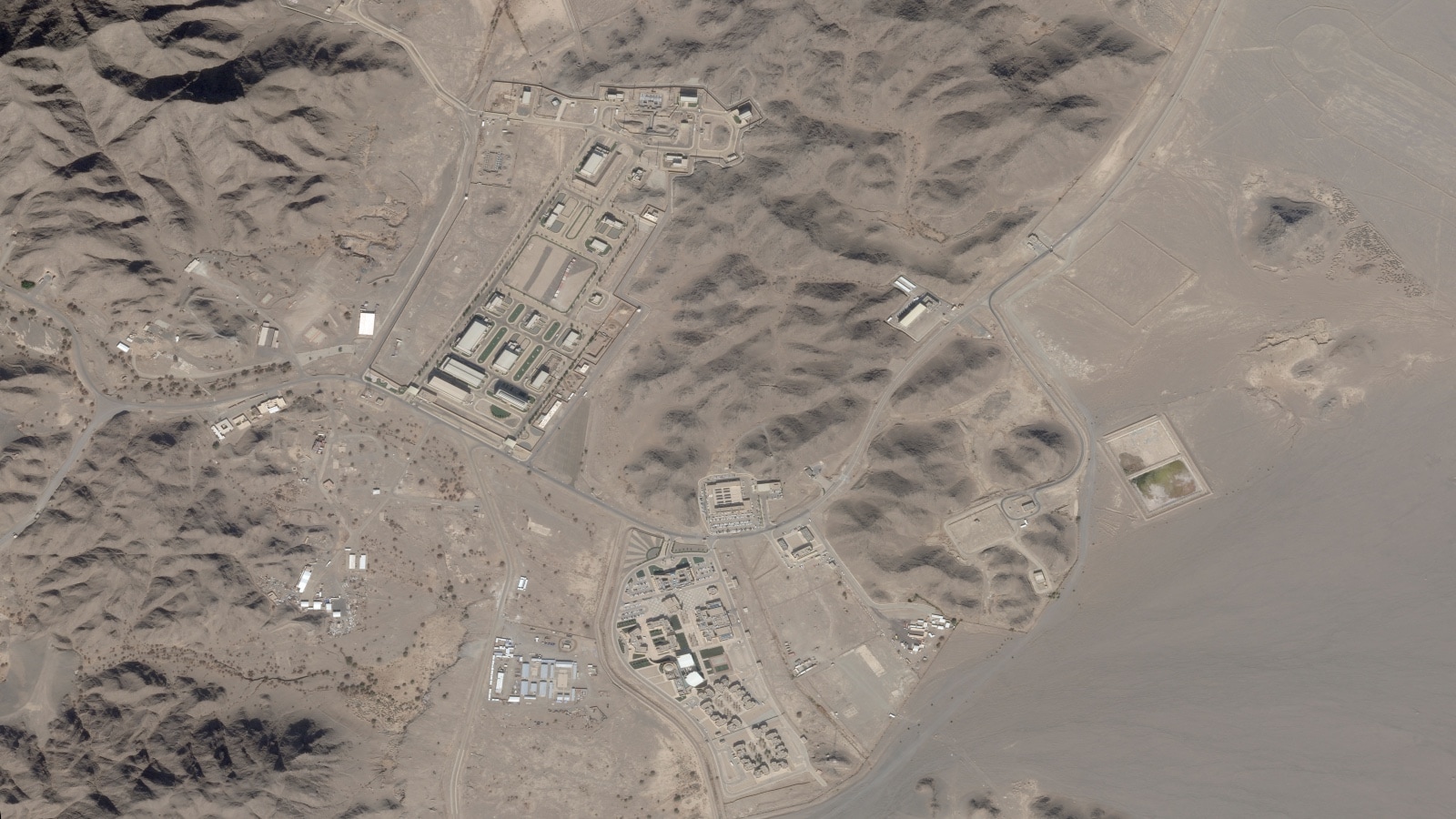
Every time Washington and Tehran sit down to talk, the same ghost walks into the room. It's uranium enriched to high levels, and it's choking off any real chance of a diplomatic breakthrough.
If you've been watching the back-and-forth between American officials and Iranian leadership, you already know the deadlock hasn't budged. Tehran's refusal to ship its enriched nuclear material abroad remains the ultimate dealbreaker. Washington wants every gram of high-grade material out of the country. Iran says absolutely not. Until that fundamental clash gets resolved, every negotiating table is just a stage for polite gridlock.
The Core Obstacle at the Negotiating Table
Let's look at what's actually on the table. The US position, backed by various regional allies, insists that any sustainable agreement requires a complete freeze on enrichment alongside the physical removal of existing stockpiles. From the American perspective, letting Iran hold onto high-purity material leaves the door open for a rapid dash toward weapons-grade capabilities.
Iran sees things entirely differently. Tehran's security leadership has repeatedly ruled out transferring its enriched uranium across international borders. They argue that giving up their stockpile strips them of their only real strategic leverage. Years of heavy economic sanctions and broken international agreements have left Iranian officials deeply distrustful of Western promises. When Washington demands inventory surrender before lifting economic penalties, Tehran views it as a trap rather than a negotiation.
Why Trust Is Completely Broken
You can't talk about these negotiations without talking about the history of broken pacts. The collapse of the Joint Comprehensive Plan of Action cast a long, heavy shadow over current diplomacy. Iranian analysts and officials frequently point out that honoring past agreements didn't protect their economy from devastating sanctions when political winds shifted in Washington.
Because that trust is shattered, sequencing becomes an impossible puzzle. Washington wants front-loaded concessions where Iran gives up its nuclear fuel first. Tehran demands upfront sanctions relief and guarantees that the US won't tear up the agreement tomorrow. Neither side is willing to blink first, and intermediate steps proposed by regional mediators like Qatar and Pakistan have repeatedly stalled over this exact sequence of events.
The Broader Regional Pressure Points
This nuclear standoff doesn't happen in a vacuum. It's tangled up with maritime security in the Strait of Hormuz, regional proxy dynamics, and military buildups that keep tensions near a boiling point. Iran has floated conditional offers—such as reopening key shipping lanes or exploring economic investment funds—to distract from the nuclear core or extract separate concessions. Yet, Washington remains laser-focused on the physical reality of centrifuges spinning inside Iranian facilities.
Experts note that the diplomatic architecture between the two nations has turned from a temporary crisis into a permanent structural standoff. Economic pressures haven't forced Tehran to surrender its nuclear card, and military threats haven't pushed Washington to drop its baseline security demands.
Expect more posturing, more back-channel messages passed through third-party intermediaries, and zero breakthroughs until one side fundamentally alters its calculus on enriched uranium storage.