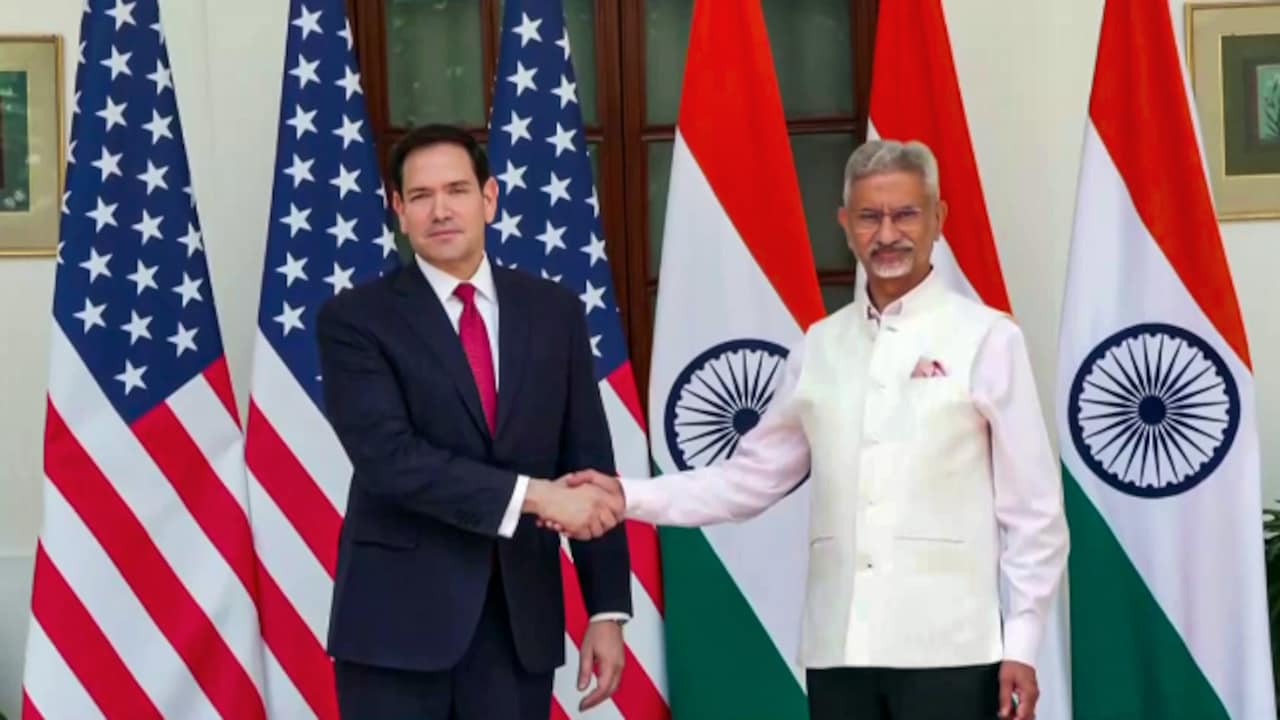
Foreign policy rarely moves by accident. When a senior American official packs their bags for a multi-nation swing through Central Asia and South Asia on a tight schedule, pay attention. US Secretary of State Marco Rubio is heading to Samarkand, Mumbai, and Jamnagar from October 17 to 22. This marks his second trip to India in just a few months, following his May appearance at the Quad Foreign Ministers' gathering in New Delhi.
If you look past the standard diplomatic boilerplate about strategic partnerships and regional stability, a much sharper picture emerges. Washington is doubling down on energy security, heavy industrial supply chains, and locking in geopolitical alliances before shifting sands make it harder. Let's break down what this trip actually means for global energy markets and Washington's calculus in Asia.
The Central Asian Chess Piece and the C5+1 Platform
Rubio's first stop is Samarkand for the C5+1 ministerial dialogue. For years, Washington treated Central Asia as an afterthought, an isolated zone squeezed between Russia and China. That strategy is dead. The C5+1 format brings together the United States and the five Central Asian republics: Uzbekistan, Kazakhstan, Tajikistan, Turkmenistan, and the Kyrgyz Republic.
What makes this particular trip different is the corporate muscle coming along for the ride. A US commercial delegation featuring over 200 business leaders is accompanying Rubio. That is not normal diplomatic window dressing. That is heavy enterprise machinery looking for trade routes, mineral extraction deals, and infrastructure projects that bypass traditional Russian and Chinese choke points.
Central Asia holds critical rare earth elements and massive energy reserves. When Washington brings two hundred corporate executives to Samarkand, they aren't there to admire the architecture. They are there to write checks, lock up supply chains, and pull these landlocked nations closer to Western economic gravity.
Why Jamnagar Matters More Than New Delhi
After Uzbekistan, Rubio flies to India, hitting both Mumbai and Jamnagar. While meetings with financial executives in Mumbai will generate plenty of headlines, the real business happens in Jamnagar.
Jamnagar is home to Reliance Industries' massive refinery complex, the largest single-site refining facility on the planet. It processes an staggering 1.4 million barrels of crude oil every day. Why is this specific stop on the itinerary? Because energy supply chains are undergoing a violent structural rewrite.
Back in March, President Donald Trump announced plans for the US to build its first domestic refinery in fifty years, backed by a massive investment from Reliance Industries. The proposed facility in Brownsville, Texas, carries an eye-watering price tag of 300 billion dollars. Bringing Indian refining expertise and capital directly into the American industrial base is a massive shift. Rubio isn't just visiting Jamnagar to tour a plant; he is managing a trans-Pacific energy pipeline that ties American oil processing directly to Indian industrial execution.
Navigating Friction Points
You cannot talk about US-India ties right now without addressing the elephant in the room. Sanctions, trade rules, and divergent views on ongoing global conflicts create constant friction. Indian External Affairs Minister S. Jaishankar has repeatedly made it clear that New Delhi will protect its own national interests, buying energy where it makes economic sense while keeping its strategic autonomy intact.
Rubio knows this dynamic well. Previous diplomatic exchanges highlighted India's sharp concerns regarding secondary sanctions and geopolitical positioning. Trying to force New Delhi into a rigid Western bloc has never worked and never will. Instead, this trip focuses on where interests overlap cleanly: secure energy supply chains, counterbalancing regional threats, and massive commercial investments that benefit both economies.
What Comes Next
Visits like this set the baseline for trade policy and defense coordination for the rest of the decade. As the delegation wraps up its October tour, watch for announcements regarding the Texas refinery project timeline and specific trade agreements stemming from the Samarkand talks. The geopolitical map is redrawing itself in real-time, and energy is the ink being used to trace the new borders.



