Electoral defeat doesn't always spell the end of a political career. Sometimes, it just redirects it.
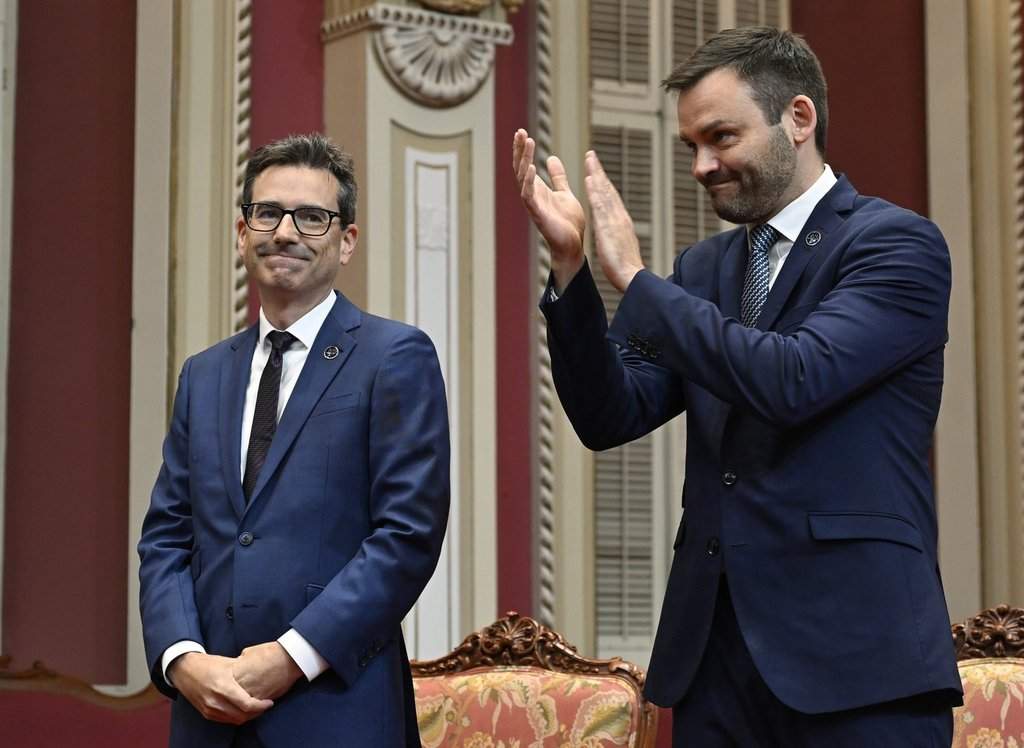
When Pascal Paradis lost his provincial riding of Jean-Talon in Quebec's October 5 election, pundits assumed his time in the spotlight had expired. After all, losing a high-profile race in the provincial capital stung the Parti Québécois. Yet premier-designate Paul St-Pierre Plamondon had other plans. Instead of casting Paradis aside, the newly minted government handed him one of the most critical portfolios on the table.
Pascal Paradis is now Quebec’s chief negotiator and diplomat.
It's a surprising appointment for someone who couldn't secure his own seat. But when you look past the standard political playbook, the choice actually makes a ton of sense.
Why Pascal Paradis Fits the Role
Let's look at the resume. Paradis isn't just a career politician who got bounced by voters. Before entering the legislative arena, he spent years running Lawyers Without Borders Canada as its executive director. That background requires a specific set of tools. You need diplomatic tact, legal acumen, and the ability to navigate high-stakes international friction without losing your cool.
Paul St-Pierre Plamondon didn't pick Paradis out of pity. He picked him because the man knows how to negotiate across deep divides.
Jean-Talon slipped through the party's fingers in a tight race against a Liberal candidate, shocking party strategists who watched the PQ form a minority government without winning a single seat in Quebec City. But politics rewards utility. St-Pierre Plamondon recognized that keeping a seasoned legal mind on the bench was a waste of talent.
The Heavy Lifting Ahead
Paradis won't just be sitting in an office shuffling papers. His new mandate comes with two massive, highly visible responsibilities that will test his diplomatic mettle right out of the gate.
First, he has to sit down with Indigenous nations. Relations between the provincial government and First Nations in Quebec require a delicate touch, deep listening, and a genuine willingness to shift old paradigms. Given his background in human rights advocacy, Paradis enters these talks with more credibility than a typical partisan appointee might carry.
Second, he's stepping onto the international stage. Paradis will represent the province during trade negotiations between Canada and the United States. Trade talks are brutal, high-pressure environments where provincial interests constantly clash with federal priorities and American protectionism.
Quebec needs someone who won't blink when the pressure mounts. Paradis will assist the province's international relations minister directly, reporting straight to the premier's office.
The Political Reality of Post-Election Recycling
Critics will inevitably cry foul. They'll argue that voters rejected Paradis, so he shouldn't be allowed back through the administrative side door. It's a fair democratic critique. When citizens vote against a candidate, seeing them land a prestigious government post shortly after can feel like a slap in the face to accountability.
Paradis operates outside the typical mold of a defeated backbencher. His appointment highlights a pragmatic shift in how minority governments handle specialized talent. You don't always need an elected seat to handle specialized legal and international diplomacy. In fact, keeping partisan firebrands out of delicate trade and Indigenous negotiations can sometimes lead to cleaner outcomes.
The Parti Québécois is walking a tightrope. They are forming a minority government, trying to establish legislative dominance, and managing ambitious national goals without a swept mandate in the capital. Putting a heavyweight like Paradis into an unelected, high-impact diplomatic post gives them an experienced operator where it counts most.
Time will tell if this gamble pays off. If Paradis manages to secure favorable trade terms and build genuine bridges with Indigenous leaders, nobody will care that he lost Jean-Talon. If he stumbles, the opposition will have a field day pointing out that the government rewarded a rejected candidate.
Keep an eye on how these negotiations unfold over the coming months. The real work starts now.