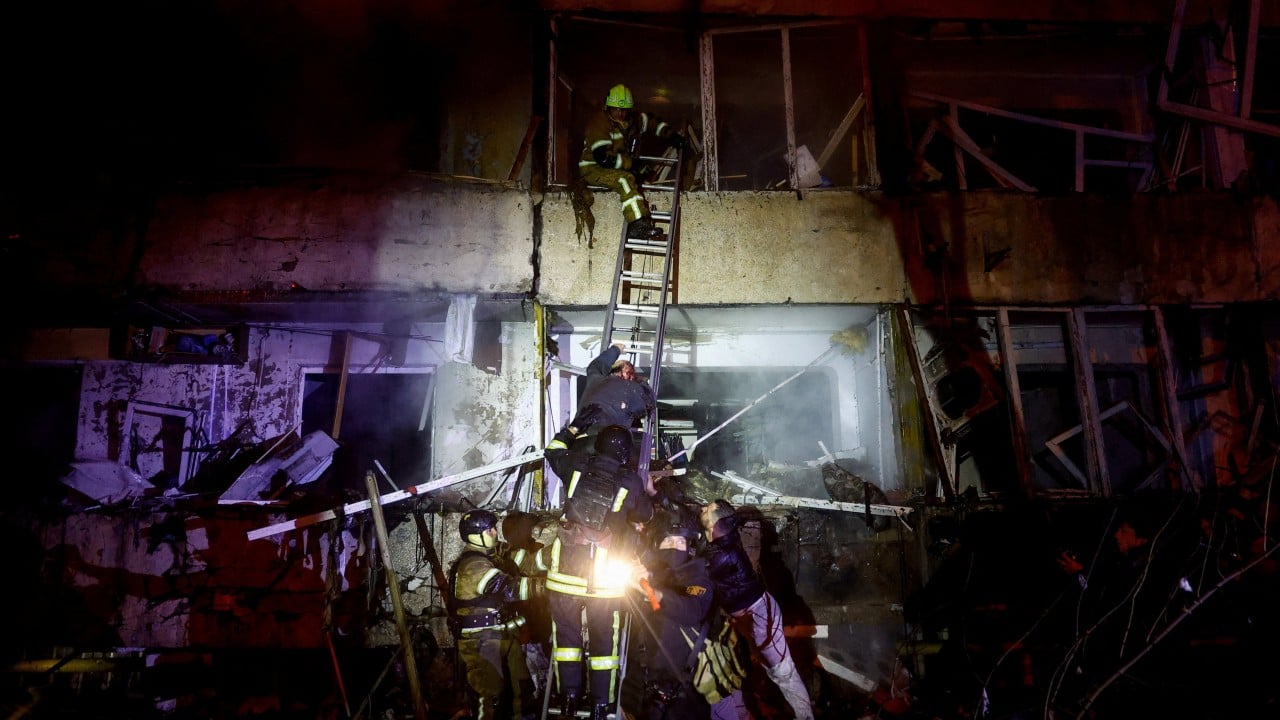
Winter hasn't even arrived, yet the explosions lighting up the Kyiv skyline are already testing the absolute limits of Ukraine's electrical grid and its patience with Western allies. Overnight ballistic missile and drone barrages smashed directly into all three of Kyiv’s municipal combined heat and power plants, leaving thousands in the dark and pushing regional tensions to a boiling point.
When a barrage hits your capital's primary power facilities and kills multiple civilians, you expect early warnings. Instead, Ukrainian leadership faced a chilling silence for the second consecutive night, exposing friction in intelligence sharing with international partners just as pressure mounts on the ground.
The Strategy Behind the Grid Blackouts
Moscow isn't just targeting random coordinates. The recent offensive strategy focuses heavily on systematic destruction of critical heating and electricity networks before freezing temperatures set in. By striking facilities like the CHP-4 power plant alongside industrial nodes in Kharkiv and surrounding districts, the goal is simple. Break the civilian spirit by plunging urban centers into cold and darkness.
The math of modern air defense is brutal. When Russia launches dozens of ballistic missiles alongside swarms of drones, even robust interceptor coverage gets overwhelmed. Energy workers and emergency crews are forced into a frantic, high-risk race against time. They rush to patch up transformers and substation wiring before the next wave hits.
Yet, physical damage to the grid is only half the crisis.
The Growing Strain Behind Closed Doors
Behind the flashes of air defense systems lies a worsening diplomatic headache. President Volodymyr Zelenskyy openly called out Western partners following the strikes, noting that Kyiv received zero advance warnings about the incoming ballistic trajectories.
That missing heads-up isn't a minor administrative glitch. It points to a widening gap in real-time intelligence synchronization between Ukraine and its backers. When you are fighting a nuclear-armed aggressor that updates its strike packages daily, every second of warning counts. Missing those alerts means air raid sirens often wail only after the explosions have already rocked residential neighborhoods.
What Happens Next
You cannot rebuild an entire national power grid with quick fixes and optimistic press releases. Decentralization is the only real shield left. Ukraine's engineers are working around the clock to shift from massive, centralized heating plants to smaller, distributed modular generation units that are harder to wipe out with a single missile strike.
But hardware alone won't solve the diplomatic friction. If international support stumbles or intelligence sharing falters when ballistic missiles start falling on municipal power plants, the strain on Kyiv will only intensify. The coming months will test whether technical resilience can outpace political exhaustion.



