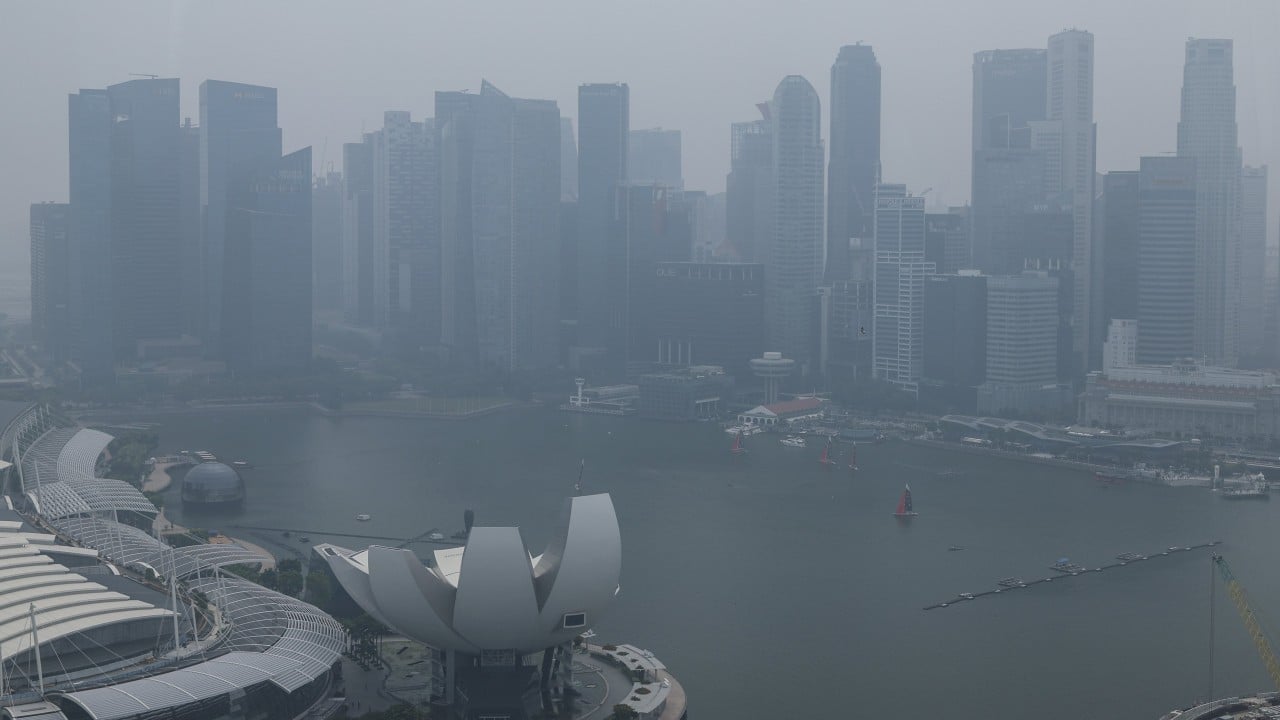
Skyscrapers vanish behind a thick yellow-gray curtain, throats burn within minutes of stepping outside, and once again, Singapore finds itself staring at the unwelcome crown of global air pollution charts. When transboundary smoke drifts across the Malacca Strait from Indonesian land and forest fires, daily life in the Lion City grinds down to an anxious rhythm of checking Pollutant Standards Index (PSI) readings and pulling air purifiers out of storage closets.
This recurring environmental crisis is back, and it's hitting harder than usual. Swiss-based air quality monitor IQAir recently ranked Singapore at the very top of major cities suffering from severe pollution, driven by prolonged dry weather and intense El Niño conditions that turn combustible peatlands into tinderboxes. If you live here or run a business here, you already know that staying indoors isn't just a mild inconvenience—it's an economic and public health battle.
The Reality Behind the Regional Smoke Crisis
Let's clear up a common misconception right away. Singapore's air quality crisis isn't homegrown. The island nation maintains strict domestic emission controls, lush green cover, and an industrial sector bound by rigorous environmental laws. Instead, the toxic haze is an annual cross-border challenge rooted in Sumatra and Borneo.
When slash-and-burn land-clearing techniques combine with an aggressive El Niño weather cycle, fires tear through underground peat deposits. These fires release massive quantities of fine particulate matter, known as PM2.5, which bypasses the body's natural nasal filters and enters the bloodstream.
As of mid-October, the 24-hour PSI readings across Singapore hovered well into the unhealthy bracket, ranging from 115 in the northern and southern sectors to a troubling 151 in the west. When the numbers cross 100, sensitive groups feel it immediately. When they push higher, healthy adults experience watery eyes, coughing fits, and fatigue.
Inside the Haze Subsidy Scheme and Medical Aid
Governments can't control the wind, but they can control how they protect their citizens when the skies turn hostile. In response to the worsening conditions, Singapore's Ministry of Health has activated the Haze Subsidy Scheme (HSS).
This targeted financial buffer ensures that residents don't hesitate to seek medical help for conditions triggered or aggravated by the smoke. Here is how the financial structure breaks down across clinics:
- Public Assistance Cardholders: Treatment for haze-related conditions is fully subsidized with zero out-of-pocket expenses.
- Pioneer Generation and Merdeka Generation Seniors: Out-of-pocket costs are capped at a maximum of S$5 per visit.
- Other Eligible Singapore Citizens: Copayments at participating Public Health Preparedness Clinics (PHPCs) and polyclinics are capped at S$10.
The conditions covered under this medical safety net include acute respiratory infections, chronic obstructive pulmonary disease (COPD), asthma, bronchitis, allergic rhinitis, and conjunctivitis. If you've lived through past haze episodes, you know that clinics fill up fast with coughing children and hacking office workers. Knowing that financial barriers are removed makes early treatment much more accessible for families trying to manage healthcare costs during a public health crunch.
Beyond Clinics: Masks and Public Infrastructure
Medical subsidies are only one piece of the puzzle. Authorities have ramped up distribution networks to get protective gear directly into the community. Mask vending machines are being deployed at selected public transport hubs and social services offices, making high-filtration masks easily accessible for commuters who have to brave the smog to get to work.
Meanwhile, neighboring nations are grappling with the fallout too. Parts of Malaysia have suspended school classes and closed outdoor activities as the regional smoke plume blankets Kuala Lumpur and southern states like Johor and Melaka. Indonesia's health ministry has reported tens of thousands of respiratory illness cases since August, putting intense diplomatic and public pressure on regional bodies like ASEAN to forge long-term prevention agreements.
What You Need to Do Right Now
If you're navigating this smoggy stretch in Southeast Asia, don't wait for symptoms to worsen before taking precautions.
- Monitor the PSI Hourly: Rely on official updates from the National Environment Agency (NEA) rather than guessing based on visibility alone. Fine particulates are often invisible even when air quality is dangerous.
- Seal Your Indoor Spaces: Keep windows tightly shut. Run high-efficiency particulate air (HEPA) purifiers continuously in bedrooms and living areas.
- Protect Vulnerable Family Members: Keep children, elderly relatives, and anyone with pre-existing heart or lung conditions indoors. If they must go out, ensure they wear fitted N95 masks rather than standard cloth face coverings.
- Use the Safety Net: If you develop persistent coughing, wheezing, or eye irritation, visit a participating polyclinic or PHPC and make use of the haze subsidy framework before minor respiratory irritation turns into a severe infection.
The haze will eventually lift when the regional weather shifts, but until then, managing your exposure and knowing your healthcare rights are your best defenses against the smoke.
Toxic haze from Indonesian fires hits Singapore and Malaysia, disrupting daily life
This video provides a helpful overview of how the regional haze from Indonesian forest fires disrupts daily life and transit across Singapore and Malaysia.



