Stephen Hubbard is finally heading home. After more than four agonizing years locked inside a Russian penal system, the 74-year-old Michigan native was released during a high-stakes diplomatic visit to St. Petersburg by U.S. envoy Steve Witkoff.
The release happened without the standard prisoner swap. Usually, Washington has to give back a high-profile Russian asset to get an American citizen out. This time, according to statements from the White House, President Donald Trump asked Vladimir Putin directly during a phone call, and Putin agreed to let him go.
It sounds like a straightforward humanitarian win. But if you look closer at the timing and the shifting political chess pieces, this release is tied directly to a massive diplomatic pivot between Washington, Moscow, and Kyiv.
The Backstory on Stephen Hubbard
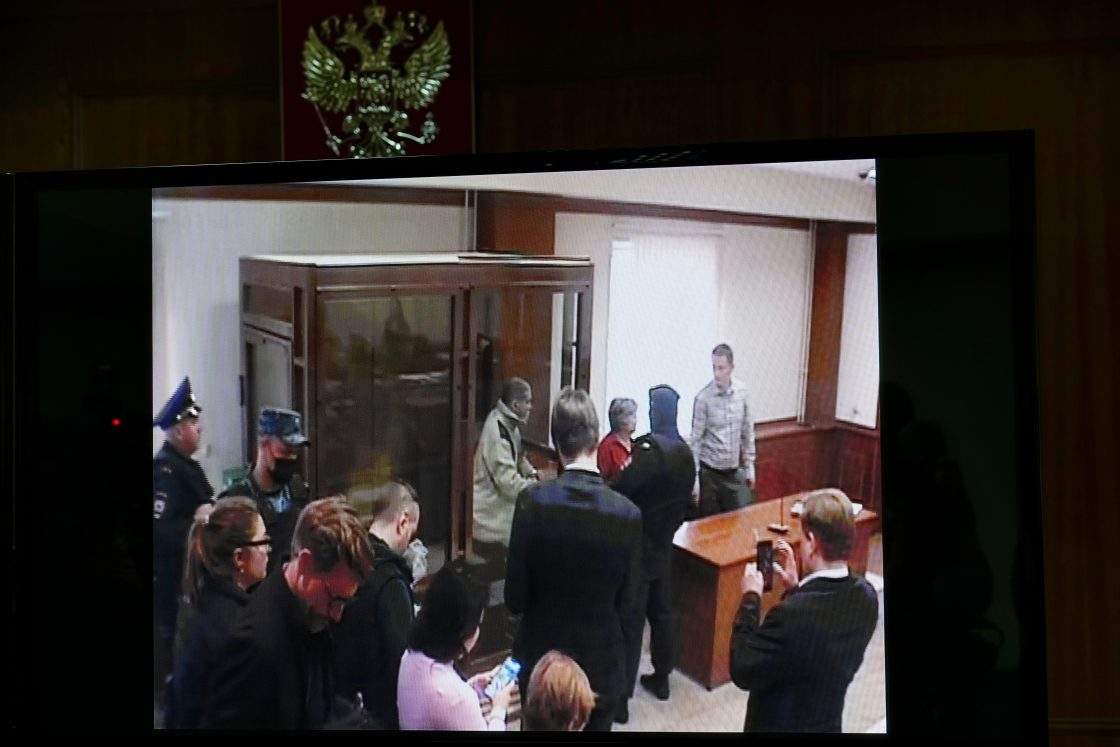
Hubbard’s ordeal began shortly after Russia launched its full-scale invasion of Ukraine in February 2022. A former English teacher who had been living abroad for years, Hubbard was accused by Russian prosecutors of signing a contract with the Ukrainian territorial defense forces and fighting as a mercenary.
In 2024, a closed Moscow court handed him a nearly seven-year prison sentence. Human rights advocates and organizations like Hostage Aid Worldwide repeatedly called the charges bogus. His family members, including his sister Patricia Hubbard Fox, spoke out publicly about the brutal conditions he faced, describing severe physical abuse and failing health behind bars.
The U.S. government under the Biden administration designated Hubbard as wrongfully detained. Yet, for years, he remained trapped in the middle of a grinding geopolitical war. That changed abruptly when special envoy Steve Witkoff flew to St. Petersburg.
Diplomacy Meets Shifting U.S. Foreign Policy
Witkoff’s mission wasn't just about Hubbard. He was holding extensive talks with Putin regarding a potential settlement to end the war in Ukraine, which is barreling toward its fifth year.
At the same time, the Trump administration has been making sweeping changes to U.S. policy regarding Russian sanctions. Just days before Hubbard's release, Washington waived major sanctions tied to a congressional bill named after the late Senator Lindsey Graham, a legislative package originally designed to choke off the financial resources fueling Moscow's military operations.
Critics argue these moves are concessions handed over too easily. Supporters counter that deal-making requires breaking diplomatic stalemates. When Witkoff met with Putin, he praised the Russian leader directly, thanking him for the humanitarian gesture and telling him that Hubbard was going home because of his personal intervention.
Kremlin spokesman Dmitry Peskov confirmed that the American side had raised Hubbard's case repeatedly, and Putin ultimately signed off on the release out of humanitarian considerations while noting that intelligence services keep regular backchannels open.
The Other Americans Still Left Behind
While Hubbard's family is celebrating, other families are left waiting in the dark. Hubbard was the only American currently held in Russia designated as wrongfully detained by the state department, but he is far from the only U.S. citizen imprisoned there.
Advocacy groups like Global Reach point out that several other Americans remain locked up, some facing severe medical issues. Groups representing these families have voiced frustration, asking why other detained citizens weren't part of this diplomatic opening.
Robert Gilman, a Marine veteran, was released back in August after being gravely ill from disputed assault charges. But the roster of foreign nationals trapped in Russian penal colonies remains a grim reality of modern geopolitics.
What Happens Next
Stephen Hubbard is now returning to the United States to reunite with his family after enduring years of imprisonment and deteriorating health.
For the broader political landscape, this event signals a new era of direct, transactional negotiations between Washington and Moscow. Expect more high-level envoy visits, controversial sanctions rollbacks, and relentless pressure from the White House to force a negotiated settlement in Eastern Europe, regardless of how traditional allies in Europe react.
If you are following international relations or monitoring foreign policy shifts, keep a close eye on how the upcoming diplomatic rounds between Witkoff, Kyiv, and Moscow unfold over the next few weeks.