You pay your taxes. You follow the rules. Then a medical crisis hits, and you find yourself staring down a seven-figure bill that could take two lifetimes to pay. That is the brutal reality facing temporary workers in Canada who slip through the cracks of provincial health insurance plans.
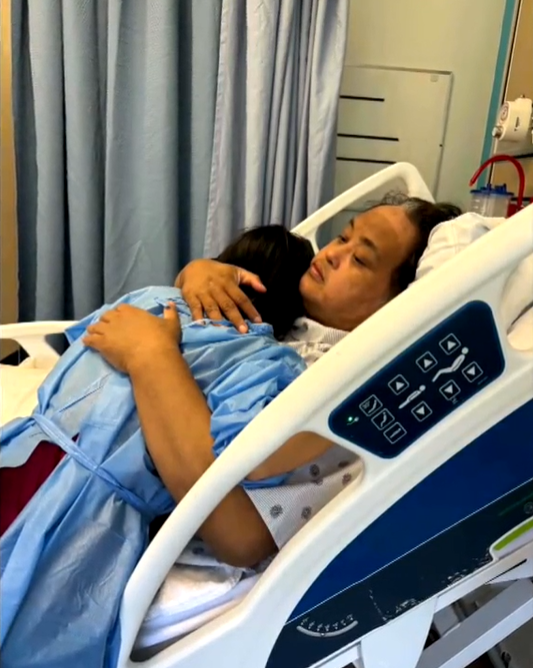
Take the case of Alvin John Reyes, a Montreal resident originally from the Philippines. He moved to Canada on a work permit tied to his wife's student permit. While his wife and three children qualify for Quebec health insurance, Alvin does not. When severe spinal stenosis left him unable to walk, he needed emergency back surgery. The hospital stay alone ran up costs of $7,000 a day. Total projected bills, including months of rehabilitation and medication, could reach up to $1.4 million.
How does a taxpaying resident end up with catastrophic medical debt in a country famous for universal healthcare? The answer lies in rigid bureaucratic policies that fail to keep pace with modern immigration structures.
The hidden trap of tied work permits
Canada relies heavily on temporary foreign workers and individuals on open or tied work permits to fill labor gaps. These workers contribute to the economy, pay income taxes, and rent homes. Yet, provincial healthcare eligibility rules often create arbitrary dividing lines.
In Quebec, the Régie de l'assurance maladie du Québec (RAMQ) enforces strict guidelines. Spouses on permits tied to student visas frequently face exclusion from public health coverage, depending on specific visa classifications. Alvin applied three times for RAMQ coverage and received three rejections.
When symptoms of spinal stenosis flared up—bringing severe leg weakness and mobility loss—he faced a hard choice. Pay out of pocket or risk permanent paralysis. He chose surgery, but the math is unforgiving. A month in the hospital at $7,000 per day, combined with specialized post-operative rehab, creates an impossible financial burden. His family had to sell a house meant for his mother just to chip away at the initial $200,000 chunk owed to the McGill University Health Centre.
Why universal healthcare has blind spots
People assume universal healthcare protects everyone standing on Canadian soil. It does not.
Healthcare jurisdiction falls to individual provinces, leading to a patchwork of rules across the country. Provincial plans protect permanent residents and citizens, but temporary residents often must navigate private insurance.
The problem? Private plans sold to temporary foreign workers usually carry low caps. Alvin's private insurance maxed out at $25,000—a drop in the bucket against a million-dollar spinal surgery and recovery tab.
Advocates like Frantz Andre point out that these cases happen far more often than the public realizes. When policy rigidity meets human tragedy, the system offers zero discretion. RAMQ officials have explicitly stated they possess no discretionary power to make exceptions for exceptional medical emergencies.
What you must know if you are working in Canada on a permit
If you or someone you know is living in Canada on a temporary work or study permit, do not assume you are fully covered. Take proactive steps right now.
- Audit your private insurance policy: Do not rely on basic employer-sponsored packages or cheap travel insurance. Look closely at the maximum payout caps for hospitalization and major surgeries.
- Verify provincial eligibility early: Check your specific province's health board guidelines the day you arrive. Understand whether spousal work permits or tied permits qualify for public health plans.
- Set aside an emergency buffer: While easier said than done, relying entirely on the host government or crowdfunding is a dangerous gamble.
Alvin wanted to buy a home and build a stable future in Canada. Instead, his primary financial horizon is managing a mountain of debt for a life-saving operation.
The system treats his medical emergency as a paperwork error. For temporary workers fueling the economy, that policy oversight is an active danger.