The numbers are climbing faster than public health officials care to admit. When the Democratic Republic of the Congo declared an Ebola virus disease outbreak caused by the Bundibugyo strain, many hoped it would stay localized like past flare-ups. Instead, it ballooned into the most geographically widespread Ebola outbreak in recorded history, pushing infections near the 10,000 mark and crossing international borders into neighboring nations.
If you are wondering how a localized health crisis in Central Africa turned into a multi-nation emergency, you need to look at porous borders, high population mobility, and the unique challenges of tracking a relentless virus in active urban and rural corridors.
Where the Outbreak Stands Today
The current crisis centers primarily inside the Democratic Republic of the Congo, where active transmission has breached multiple provinces including Ituri, North Kivu, South Kivu, Bas-Uelé, Haut-Uelé, and Tshopo. With thousands of confirmed cases and thousands of recorded deaths, the sheer scale of this epidemic sets it apart from previous outbreaks.
What makes this situation particularly tense is international spillover. Health authorities confirmed imported cases in Kenya, tracing the infection back to an individual who traveled from the DRC through transit hubs. While countries like Uganda have successfully closed out previous local transmission chains following strict 42-day monitoring periods, the constant movement of transient populations keeps the entire region on high alert.
South Sudan and the Central African Republic remain under intense surveillance due to heavy cross-border trade and unofficial transit routes where screening is nearly impossible.
The Strain Driving the Crisis
Understanding why this outbreak behaves differently requires looking at the biology. This isn't the Zaire strain that terrorized West Africa a decade ago, nor is it a carbon copy of past Central African events. It is the Bundibugyo ebolavirus.
Historically, Bundibugyo outbreaks were considered smaller and more contained. This time, the virus has mutated or adapted to thrive amidst complex regional logistics, finding cracks in standard surveillance systems. Transmission still occurs primarily through direct contact with infected bodily fluids, but the speed at which it reaches dense population centers has caught local healthcare networks off guard.
When an infected person travels across provincial or national lines before showing severe symptoms, contact tracing turns into a logistical nightmare. Health workers basically have to chase moving targets across thousands of miles of unpaved roads and informal border crossings.
Why Traditional Containment Methods Are Failing
Containment manuals written ten years ago assume static communities and cooperative local populations. Real life on the ground looks very different.
- Porous Borders: Thousands of people cross borders daily through informal paths to trade goods or visit family. Official checkpoints catch some travelers, but informal crossings let thousands slip past thermal scanners and health questionnaires unchecked.
- Urban Density: Previous outbreaks often burned out in remote jungle villages where isolation was easier. This wave has brushed against major urban hubs and transport arteries, where a single infected person can expose hundreds of contacts in a single afternoon.
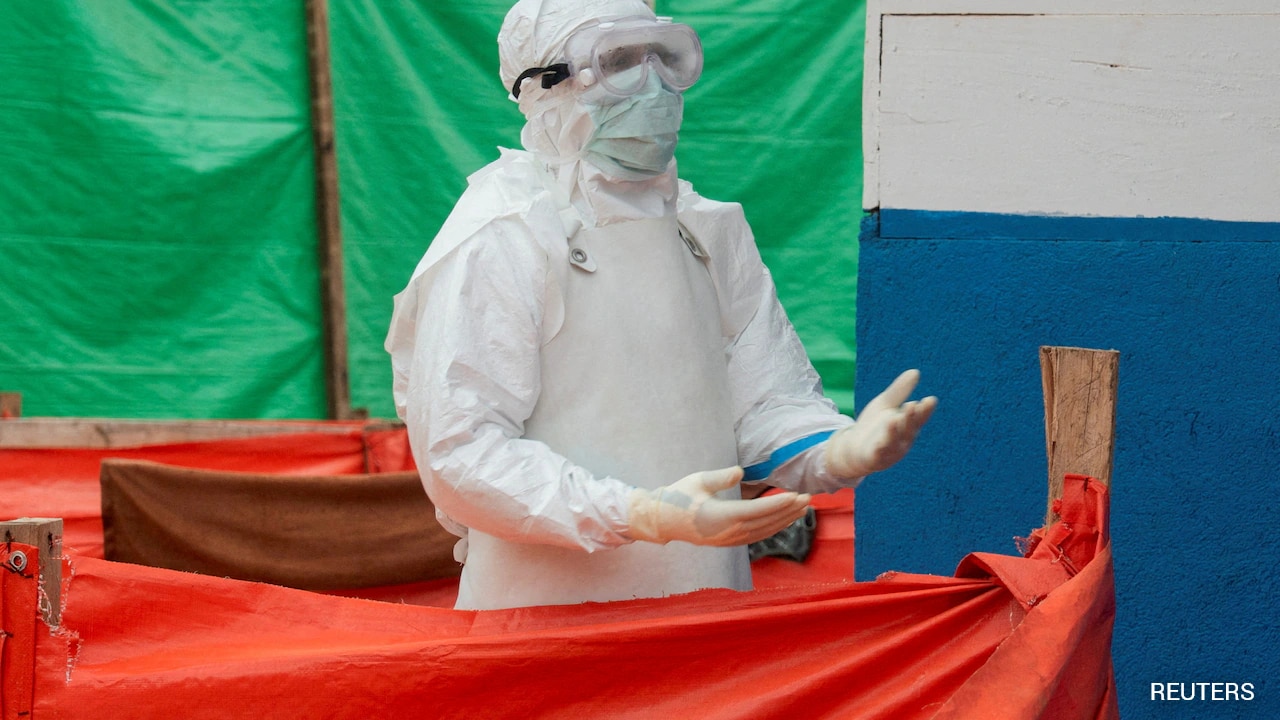
- Community Trust Deficit: Decades of regional instability have left many residents deeply suspicious of outside medical interventions. When health teams arrive in hazmat suits, fear often drives sick individuals into hiding, making accurate tracking nearly impossible.
What Needs to Happen Right Now
Stopping a historic outbreak requires more than sending standard medical supplies. Regional health bodies like the Africa CDC and the World Health Organization have launched joint continental response plans, but execution at the ground level dictates success.
If you are tracking international travel health or public health policy, the priority isn't panic. It is targeted resource allocation. Border health screening needs heavy reinforcement, decentralizing testing labs closer to remote transit points so results come back in hours instead of days. Vaccine deployment must target frontline health workers and high-risk contacts instantly rather than getting bogged down in bureaucratic distribution delays.
The virus doesn't pause for political friction or funding debates. Until local healthcare systems can isolate cases within twenty-four hours of symptom onset, this outbreak will continue to test the limits of global health security.