Explosions echoing over Riyadh aren't supposed to happen. For years, Saudi Arabia's capital felt distant from the grinding proxy wars playing out along its borders. That bubble burst when missile interception debris slammed directly into a local kindergarten and medical complex.
When falling shrapnel punches holes through civilian infrastructure in broad daylight, the calculus of regional conflict changes overnight. The official acknowledgment from Saudi civil defense authorities that a school and clinic sustained structural impacts marks a rare admission in a country where information regarding incoming threats is tightly managed. It signals a stark reality: the ongoing hostilities originating from Yemen have breached the threshold of everyday safety in the kingdom's political and financial core.
The sequence of events on that Thursday morning laid bare the shifting security dynamics. Yemen's Iran-backed Houthi movement claimed multiple missile strikes targeting King Khalid International Airport in Riyadh, alongside military installations in Najran and Khamis Mushait. Passengers and aviation trackers quickly noted physical damage to commercial aircraft belonging to national carrier Saudia, with multiple planes sustaining fuselage cracks and punctures from shrapnel.
What makes this wave of strikes fundamentally different from past skirmishes is the sheer frequency. Since the regional conflict intensified dramatically earlier this year, the tempo of drone and missile launches toward Saudi population centers has surged. Diplomatic missions inside Riyadh immediately advised staff to shelter in place. International schools rushed children into basements as explosions reverberated through commercial hubs like the King Abdullah Financial District.
The immediate fallout extends far beyond damaged buildings and disrupted flights. The United States government responded by issuing heightened vigilance warnings, requiring special authorization for US personnel using Riyadh's primary airport. Meanwhile, strict interior ministry guidelines prohibit residents from filming or sharing footage of incoming projectiles and their aftermath, creating an information vacuum filled largely by official communiqués and anxious whispered accounts on encrypted messaging apps.
This escalation is rooted in a wider military and territorial realignment. Following a four-year lull, the Houthis shattered the quiet by launching a lightning offensive that seized the entirety of Yemen's Red Sea coast. Despite an ambitious counter-offensive mounted by the Saudi-led coalition to recapture vital maritime choke points and secure global energy supply lines, government forces have struggled to roll back the insurgent advance.
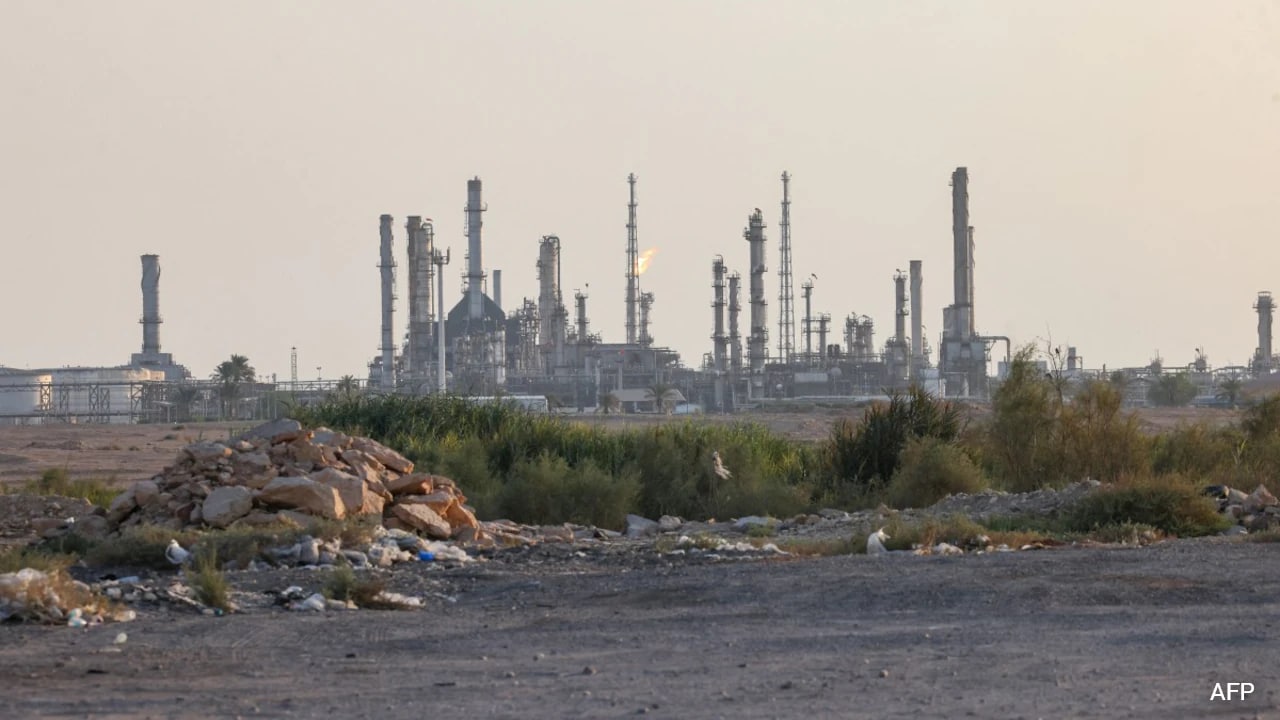
The economic implications are severe. With energy infrastructure and vital oil facilities increasingly within the crosshairs of long-range projectile attacks, global markets are paying close attention. The Houthis have openly warned energy workers to evacuate installations, compounding fears of disruptions in the world's largest crude-exporting nation.
On the ground in Yemen, the human cost is staggering. More than two hundred thousand people have been displaced since the recent surge in fighting began, pushing an already fragile population deeper into a man-made humanitarian catastrophe. Civilians trapped between shifting frontlines in places like Taiz face acute shortages of food, clean water, and medical supplies as supply routes get choked off by the fighting.
For residents in Riyadh, the immediate challenge is navigating a sudden shift in daily life. Heightened airport security, delayed flights, and canceled routines have replaced the relative predictability that defined the capital for years. As diplomatic channels strain and military responses intensify, the fallout from these attacks demonstrates that geographic distance no longer guarantees immunity.
Review local embassy advisories if you live or work in the region. Monitor official channels closely for updates on flight statuses, travel restrictions, and security alerts. Keep emergency communication plans ready as the situation continues to evolve.