Yemen's civil war is back. If you thought the 2022 truce meant permanent peace, you weren't paying attention. The temporary quiet has shattered into a brutal new phase of violence, directly tied to the wider collision between Washington and Tehran.
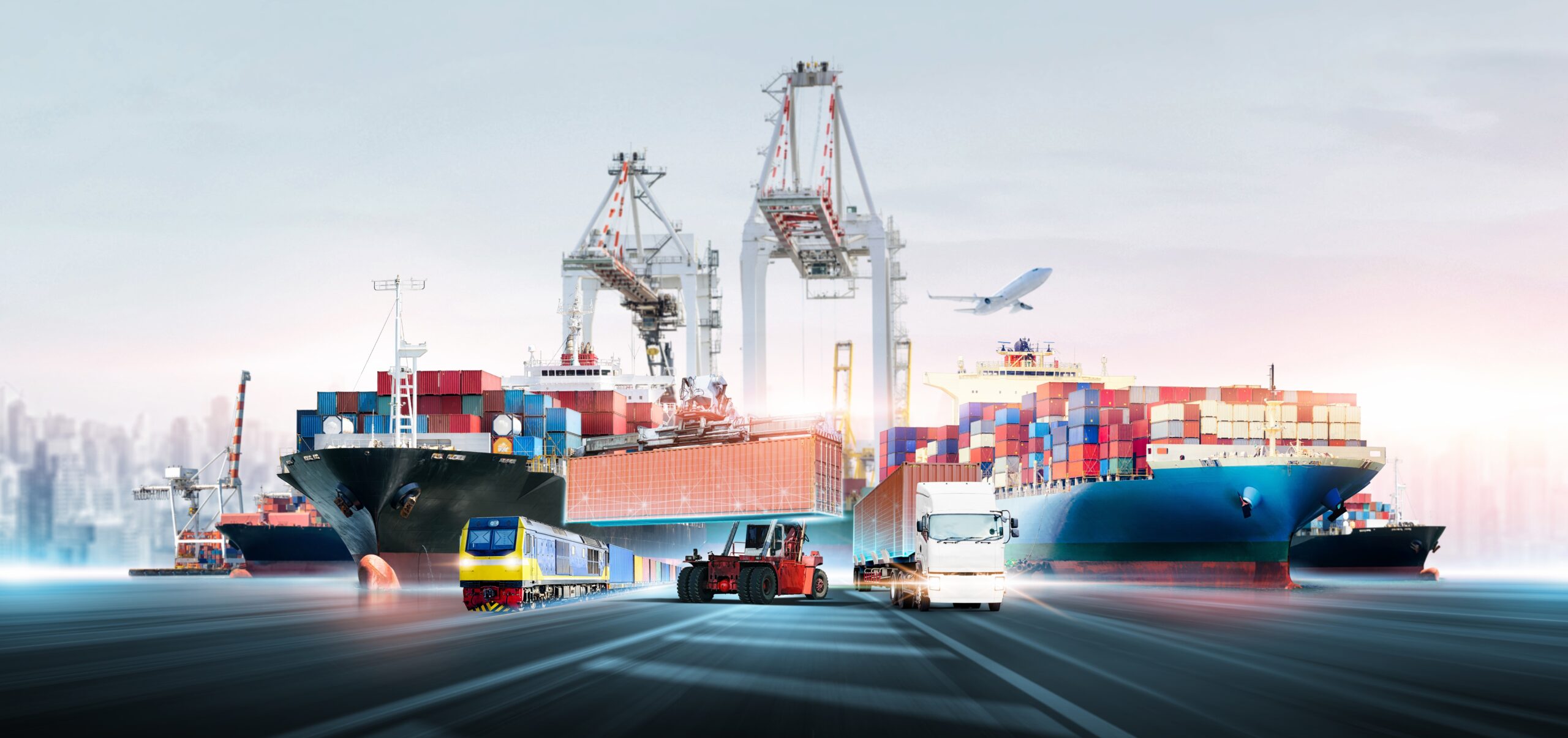
When Iran effectively shut down the Strait of Hormuz, global energy markets panicked. That single move forced a massive shift toward the Red Sea and the Bab el-Mandeb strait at Yemen's southern tip. This vital waterway handles roughly twelve percent of world trade and a quarter of all global container traffic. Now, it's a war zone.
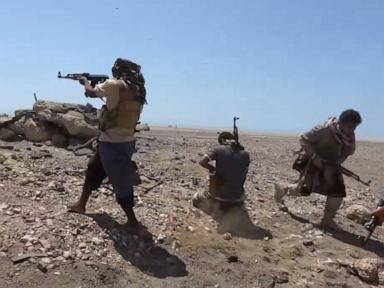
Saudi-backed government forces launched a major offensive to drive Iran-backed Houthi rebels away from the coast. The Houthis hit back hard. Ballistic missiles struck a commercial vessel in the Bab el-Mandeb strait, killing four crew members and two allied fighters. These are the first confirmed deaths from ship attacks in this latest wave of hostilities, proving that commercial shipping is once again sitting on a powder keg.
The Regional Spillover and Oil Realities
Why is this happening now? The violence in Yemen doesn't exist in a vacuum. It's the direct fallout of a broader conflict that expanded heavily after US-Iran hostilities surged earlier in the year.
With traditional shipping lanes compromised, Saudi Arabia relies heavily on Red Sea routes to keep oil flowing. The Houthis know this. By targeting Saudi infrastructure and launching drone strikes toward Riyadh, they are applying maximum pressure on both the internationally recognized Yemeni government and its primary regional backer.
Despite the intense military campaigns—with reports citing hundreds of casualties over single-day clashes—global markets are reacting in strange ways. Brent crude oil recently hovered just under one hundred dollars a barrel. Analysts expected worse spikes given the closure of key Persian Gulf transit points, but traders are currently absorbing the chaos while watching every movement near the Yemeni coast.
What Comes Next for the Red Sea Chokepoint
The humanitarian toll keeps climbing. Years of war have already killed over 150,000 people, and renewed fighting displaces thousands more families every week. Houthi chief negotiator Mohammed Abdul-Salam insists his forces are open to political talks, but only if the air and sea blockade imposed back in 2015 is fully lifted.
Meanwhile, Washington and its allies face tough choices. President Trump's strategy relies on heavy economic pressure and military deterrence against Tehran, but local proxies like the Houthis operate with enough autonomy to keep the region destabilized indefinitely.
You can't ignore the geography. Whoever controls the Bab el-Mandeb strait controls the economic lifeline between Europe and Asia. Until a real diplomatic breakthrough happens—or one side achieves a decisive military victory on the ground—Yemen will remain the most dangerous flashpoint in global trade.
Watch the shipping insurance rates, track the daily updates from the Red Sea, and don't expect a quick resolution to a conflict deeply rooted in a broader superpower struggle.
Watch CNN's breakdown of the Houthi arsenal and the shifting conflict
This video explains how the escalating situation in Yemen opens a dangerous new front in the broader US-Iran conflict.