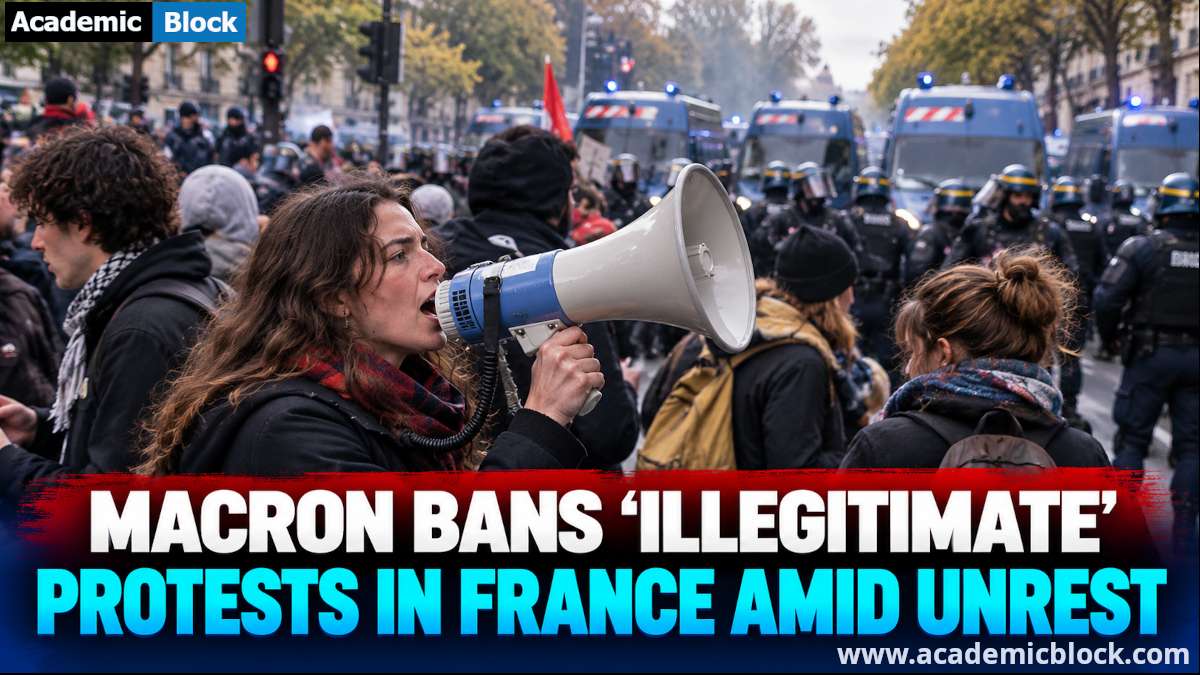
Streets across Paris, Lyon, and dozens of other cities are choked with tear gas, burnt barricades, and angry crowds. Prime Minister Sébastien Lecornu faces a nation on edge. Sophie Binet, the head of the powerful CGT trade union, has put the crisis bluntly. She calls the fury driving citizens into the streets "legitimate and enormous anger."
If you look at the numbers, that anger makes complete sense. France is staring down a public debt nearing 3.6 trillion euros, which accounts for roughly 119 percent of its annual economic output. The fiscal deficit sits at 5.4 percent this year, while everyday workers struggle to pay for groceries, rent, and basic bills as inflation erodes their paychecks.
How a School Strike Exploded into Nationwide Unrest
What started in mid-September as a localized movement by high school students and teachers in the Parisian suburbs has metastasized. Classrooms were overcrowded, buildings were falling apart, and teacher shortages left kids without instruction for weeks. Teachers and students marched. Then trade unions stepped in. Then Yellow Vest activists joined the fray.
Now, the demands stretch far beyond education. Protesters want minimum wage hikes that actually match inflation, immediate cash infusions for public services, and a reversal of the economic policies hitting working-class families the hardest.
The government tried to appease the education sector by authorizing hundreds of new hires and promising to deploy over 3,000 substitute teachers. But critics point out that band-aids on a gushing wound do nothing to fix systemic financial rot.
The Government Response and Security Crackdown
President Emmanuel Macron’s administration finds itself trapped between mounting social demands and brutal economic constraints. Public finances are locked in a vice. The EU demands fiscal discipline, yet the streets demand immediate financial relief.
Instead of addressing structural reforms head-on, the state has relied heavily on police force. Interior Minister Laurent Nuñez admitted that authorities lost control in several cities during recent weekend riots. The fallout has been severe. More than 2,500 people have been taken into police custody, historic buildings like the town hall in Limoges suffered fire damage, and downtown districts saw widespread looting.
Security has tightened to extreme levels. Overnight curfews now lock down areas around Paris landmarks like the Place de la République and the Les Halles shopping district, with identical restrictions in place across Lyon and other major urban centers. Prime Minister Lecornu has promised a massive police presence for upcoming demonstrations, signaling that the state plans to meet civil disobedience with batons rather than policy shifts.
What Happens Next on the Ground
Protesters aren't backing down because the pressures driving them into the streets haven't vanished. When your grocery bill doubles and your local school lacks heat, police curfews feel like a temporary inconvenience rather than a solution.
Trade unions are organizing fresh waves of action. Workers know that backing down now means accepting a permanent decline in their standard of living. As long as the administration insists on fiscal austerity without offering tangible wage protections, the friction between Paris elites and the working class will only intensify.
Expect further transport disruptions, localized clashes, and continuous pressure on Prime Minister Lecornu's cabinet as autumn deepens. The anger isn't going away, and neither are the crowds.