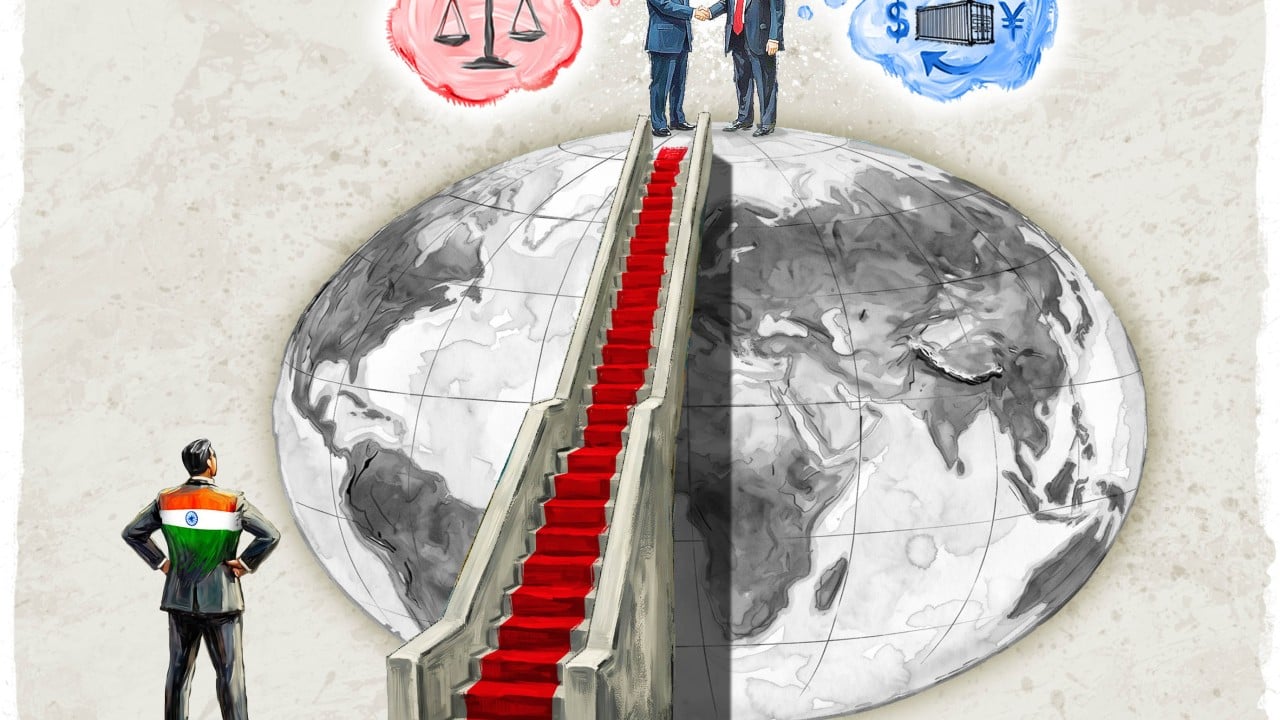
When Donald Trump and Xi Jinping sit down for a high-stakes summit, nobody expects a quiet chat about the weather. But the strategic friction on display during their encounters reveals a fundamental clash in worldview. Beijing wants systemic equality and mutual respect on the global stage. Washington, by contrast, wants transactional deals and commercial wins. This divergence forms the core of what commentators call the G2 illusion, a diplomatic tightrope walk where both superpowers claim victory while chasing entirely different goals.
If you look closely at the delegations, the priorities jump right out at you. Trump brought a heavy-hitting lineup of business elites and high-profile executives to the table. He views bilateral meetings through a commercial lens. Securing market access, tariff adjustments, or supply chain concessions counts as a win. Xi, on the other hand, approaches these encounters looking for grand recognition. For Beijing, having Washington treat China as an absolute peer elevates its global status and sidelines traditional multilateral frameworks.
Let's break down why this dynamic matters. For years, critics warned that a conceptual G2 framework—where Washington and Beijing manage global affairs alone—would undermine America's traditional alliances. When US leaders elevate China to equal co-leader status, it signals a shift away from broader coalitions like the G7 or G20. That optics win is precisely what Beijing has chased for decades. China lacks a deep bench of formal allies compared to the United States, so standing toe-to-toe with the American president at the White House provides a massive diplomatic prize.
Yet, beneath the pageantry of handshakes and summit declarations, substantive disagreements remain wide open. Take the technology and trade compromises. While both sides floated plans to waive additional duties on billions of dollars in goods and set up upcoming artificial intelligence dialogues, foundational flashpoints like Taiwan and rare earth supply controls remain untouched. Trump can point to commercial wins and executive orders, but domestic critics point out that structural security gaps haven't closed.
The Transactional Mindset Versus Long-Term Vision
Trump operates like a master dealmaker who thrives on personal rapport and immediate wins. During his state visits and White House meetings, he frequently praises foreign counterparts while keeping the focus tightly locked on trade metrics. Business executives travel in large entourages expecting tangible commercial agreements. They want predictable markets, broader export channels, and smoother regulatory pathways.
Beijing's strategy works on a completely different timeline. Xi focuses on strategic stability, mutual respect, and carving out an international system that accommodates China's core interests without Western interference. When Chinese state media outlines frameworks for strategic stability—focusing on manageable differences and regulated competition—it reflects an insistence on being treated as an equal sovereign power. Beijing isn't just looking for temporary tariff relief. It wants long-term acknowledgment of its sphere of influence.
This mismatch explains why agreements often feel fragile. A temporary truce on consumer goods or a scheduled meeting on emerging tech standards can mask deeper systemic friction. Washington secures a headline-grabbing commercial announcement, while Beijing secures the symbolic validation of superpower parity. Both sides walk away telling their domestic audiences they won the day.
What the G2 Optics Mean for Global Partners
Other nations are watching this bilateral choreography very carefully. Countries that rely on strategic autonomy—from regional powers in Asia to developing nations across the Global South—face a shifting diplomatic calculus when Washington and Beijing lock into a bilateral orbit. If the world's two largest economies manage global issues through bilateral bargains, multilateral institutions risk getting sidelined.
India and other regional players have expressed quiet anxiety over the optics of superpower bilateralism. When Washington bypasses multilateral pressure points to cut direct deals with Beijing, it alters the regional balance of power. It forces neighboring countries to rethink their own security alignments and trade dependencies. Relying too heavily on a single superpower's diplomatic umbrella suddenly looks a lot riskier when those two titans start carving out mutual understandings behind closed doors.
Moving Beyond the Summit Hype
If you want to understand where US-China relations are heading, stop listening to the immediate spin coming out of post-summit press conferences. Look at the unresolved structural files. Pay attention to how rare earth export restrictions evolve, how microelectronics supply chains adapt, and whether military crisis communication channels actually hold up during a crisis.
Deals come and go with shifting political winds, but the quest for systemic equality will continue to drive Beijing's foreign policy. Keep an eye on how financial safety nets develop around alternative currencies and how regional supply chains decouple from traditional dependencies. That is where the real contest is happening.



