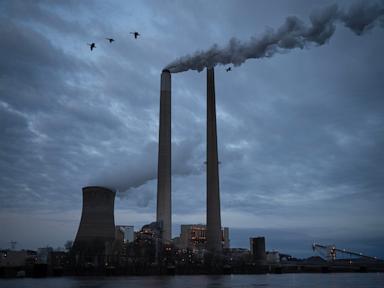
We are losing ground. That is the stark takeaway from the latest United Nations projections on climate change. Instead of bending the emissions curve downward toward a safer future, global trajectories are pointing straight toward a significantly hotter planet than experts calculated just a year ago.
The numbers don't lie, but they do tell an uncomfortable story about political inertia, broken promises, and the staggering weight of a single country's backward slide. If you've been wondering why international climate summits feel increasingly like exercises in wishful thinking, the new UN data explains it all.
The Math Behind the Slip
Let's look at the hard data. While 63 nations managed to lower their carbon footprints—led primarily by European countries scaling up renewables—a massive bloc of 124 countries moved in the exact opposite direction. Together, those 124 nations pumped an extra 189 million tons of carbon dioxide into the atmosphere.
Here is where it gets worse. A staggering 70% of that total emission increase came from one single source: the United States.
When the world's largest historic polluter accelerates emissions while others stall, the global architecture designed to curb climate change begins to crack. Analysts note that international cooperation is fraying. Nations that spent decades trying to build multilateral frameworks are looking at Washington's policy reversals with exhaustion.
Why the US Turnaround Matters So Much
It’s easy to dismiss climate reports as bureaucratic noise filled with acronyms and distant target dates. But the math of the atmosphere is brutally simple. Every ton of carbon counts, and major economies carry disproportionate weight.
When the US increases its emissions instead of cutting them, it wipes out the painstaking gains made by dozens of smaller nations. It sends a signal to developing economies that short-term fossil fuel reliance is acceptable, undercutting the entire moral argument for a rapid global transition.
Climate scientist Malte Meinshausen put it bluntly, noting that the rest of the world is exhausted by the damage the US is doing to international climate structures and disaster relief cooperation. You can't lead a global coalition if you're actively burning down the bridges you built.
What This Means Beyond the Headlines
Abstract projections translate into immediate, physical danger. When UN reports warn that we are losing ground, they aren't talking about spreadsheets. They are talking about reality.
- More destructive, unpredictable heat waves that strain power grids and urban infrastructure.
- Intensified flood events that wipe out agricultural yields and displace vulnerable communities.
- Severe economic burdens falling heaviest on populations that contributed the least to global emissions.
For people living on the front lines of climate vulnerability, every fraction of a degree in global warming means lost livelihoods and displaced homes. Delay isn't just an administrative setback. It's an active multiplier of human suffering and financial ruin.
What Needs to Happen Next
We already have the tools. Solar, wind, grid storage, and efficiency technologies are cheaper and more scalable than ever before. The barrier isn't engineering; it's political will.
If you want to understand how to navigate this reality, stop waiting for international bodies to magically fix the problem from the top down. Real momentum is shifting toward localized resilience, regional microgrids, and private sector accountability.
Stop assuming that national governments will always do the right thing. Support local sustainability initiatives, pressure institutional investors to divest from fossil fuel expansion, and build community-level resilience against extreme weather events. The global fight may be losing ground, but local action is where the line gets drawn.