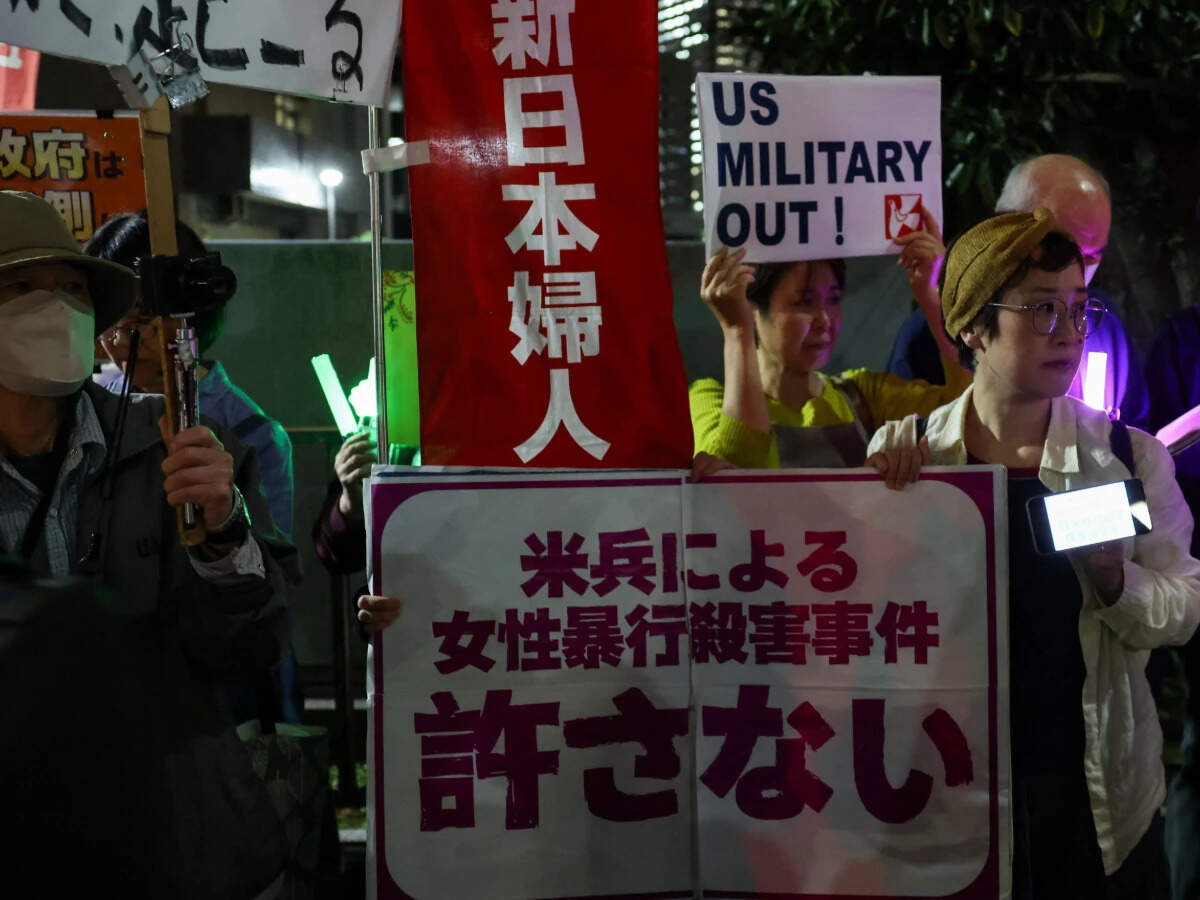
Another tragic death in Okinawa has triggered a familiar, tense cycle between Tokyo and Washington. When a 20-year-old US Marine was arrested for the killing of a 39-year-old Japanese woman named Anna Yagi in Naha, it didn't just spark a localized criminal investigation. It immediately resurrected decades-old political wounds regarding the massive American military footprint in Japan.
US Forces in Okinawa responded swiftly by grounding non-essential operations for 48 hours and imposing a stringent month-long curfew alongside an absolute alcohol ban for all stationed personnel. Command wants to stop the bleeding. But for local residents who have spent decades dealing with noise pollution, aircraft accidents, and periodic misconduct, temporary lockdowns feel like a band-aid on a chronic fracture.
Inside the Investigation and Immediate Military Response
The timeline of the incident exposes a breakdown in base controls. Lance Corporal Devin Jacob Ballard is accused of killing Yagi at a hotel in Naha on Saturday, allegedly making off with her wallet and backpack after the assault. Hotel staff found her unconscious after she missed her checkout time. Security footage showing Ballard entering the room triggered a massive manhunt involving roughly 200 local police officers before he was captured.
The military's reaction was immediate and heavy-handed:
- A complete 48-hour suspension of routine military operations across Okinawa.
- Mandatory training sessions focused entirely on standards, conduct, and basic discipline.
- A sweeping 30-day prohibition on alcohol consumption for service members.
- A strict off-base social activity restriction locking personnel down to their installations.
Lt Gen Benjamin Watson acknowledged the severity of the crisis, noting publicly that every single interaction with local neighbors either builds or destroys the fragile trust holding the alliance together. Yet, statements from senior leadership do little to calm public fury on the ground.
Political Fallout and the Pressure on Prime Minister Sanae Takaichi
Japanese Prime Minister Sanae Takaichi didn't mince words, labeling the crime "extremely brutal and heinous." Tokyo issued a formal, severe protest to US military authorities, demanding structural safeguards to ensure civilian safety.
This political friction lands at a delicate geopolitical crossroads. Okinawa sits roughly 100 kilometers from Taiwan, making it an indispensable strategic hub for both nations in deterring potential Chinese aggression in the Indo-Pacific. At the same time, hosting the lion's share of the roughly 18,000 US Marines stationed in Japan creates constant friction. The longstanding dispute over relocating the crowded Futenma air base to Henoko remains a lightning rod for local protests. Every high-profile crime committed by a service member pours gasoline on the fire, strengthening local political movements demanding the total reduction of US bases.
What Command Failures Reveal About Marine Corps Discipline
We need to talk honestly about base culture. Curfews and booze bans treat symptoms rather than the root disease. When young service members are dropped into foreign urban centers without adequate cultural integration, mentorship, or mental health oversight, risky behavior escalates.
Punitive lockdowns isolate junior enlisted troops, often driving stress and frustration underground rather than fixing core behavioral issues. Real leadership requires continuous, proactive engagement, rigorous squad-level accountability, and zero tolerance for predatory behavior long before a tragedy occurs. Handing down sweeping restrictions after a murder happens is reactive crisis management, not effective command.
Navigating the Road Ahead for the US Japan Alliance
If Washington wants to protect its strategic positioning in East Asia, military leadership must overhaul how personnel interact with host communities. Trust isn't rebuilt through a 30-day sobriety mandate or a temporary base curfew. It requires transparent cooperation with local Japanese prosecutors, unvarnished accountability within the ranks, and a serious rethink of off-base privileges for young troops who haven't earned the right to represent their country abroad.
Review your deployment protocols, enforce genuine community integration standards, and demand real accountability from the ground up before the next crisis hits.



