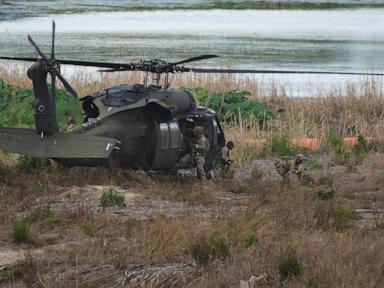
Walk down the banks of the Rio Grande today and you'll notice something striking. The frantic energy that defined the southern frontier for years has shifted into a heavily fortified quiet. Following recent security escalations, including joint deployments and heightened tensions along the Texas-Tamaulipas frontier, the U.S. Army has surged hundreds of soldiers into the Rio Grande Valley. But instead of chaotic scenes, officials are showcasing a surprisingly subdued zone.
If you're wondering what's really happening behind the razor wire and active-duty patrols, you have to look past the political posturing. The reality on the ground involves complex logistical shifts, cutting-edge surveillance gear, and a new normal for local communities.
The Reality Behind the Quiet Rio Grande
When hundreds of active-duty soldiers fan out to erect razor barriers and monitor riverbanks, you expect friction. Yet, recent operations reveal a sharp decline in daily crossings compared to previous peaks. Local business owners in towns like McAllen and Roma tell a different story than national headlines often suggest. The dramatic drop in foot traffic isn't just about troop numbers; it's about shifting cartel tactics and intensified bilateral sweeps like "Operation Mirror," where Mexican and U.S. forces patrol opposite sides of the river simultaneously.
Troops aren't just standing around with rifles. They're evaluating autonomous machine guns, interceptor drones, and radar detection systems built by defense firms like Anduril and Teledyne FLIR. The military is testing tech adapted directly from modern battlefield lessons overseas, turning a traditional immigration checkpoint into an automated observation grid.
What Most People Get Wrong About Border Militarization
There's a common misconception that dropping thousands of military personnel onto foreign borders instantly solves geopolitical friction. It doesn't.
- It's not an overnight fix: Logistics take weeks. Chinook helicopters, heavy transport vehicles, and support infrastructure require massive staging bases.
- Deterrence shifts vectors: When one patch of the Rio Grande becomes an impenetrable wall of razor wire, smuggling rings adapt rather than disappear. They simply push further into remote ranch lands or leverage subterranean routes.
- The civilian impact is real: Small-town mayors and sheriffs deal with daily disruptions that have nothing to do with high-level strategy—ranging from closed access roads to environmental strains on local water resources.
The Technology Driving the New Border Strategy
If you want to understand how the U.S. Army maintains control without constant kinetic conflict, look at the hardware. Venture-backed defense technology is reshaping domestic security. Aerostats, thermal imaging gear, and AI-driven drone interceptors allow small squads to monitor miles of brush that once required dozens of human patrols.
According to reports from regional command posts, the integration of these systems has reduced response times drastically. When a cartel drone crosses airspace or suspicious movement is logged near the water, automated alerts route straight to tactical operations centers.
What Comes Next for the Border Region
The quiet you see today on the Rio Grande is calculated. It's a temporary equilibrium born from synchronized troop movements, diplomatic pressure, and advanced surveillance. But borders are dynamic living lines. As cartels adapt their tech and shifting political winds alter funding priorities, today's fortified calm could easily give way to tomorrow's flashpoint.
Keep an eye on how local municipalities adapt to permanent military footprints in their backyards. That's where the true long-term story of the southern border is unfolding.
U.S. Army Soldiers deployed to Patrol Border in Rio Grande City
This video provides an on-the-ground look at U.S. Army soldiers actively patrolling the border areas in Rio Grande City, Texas.
http://googleusercontent.com/youtube_content/1



