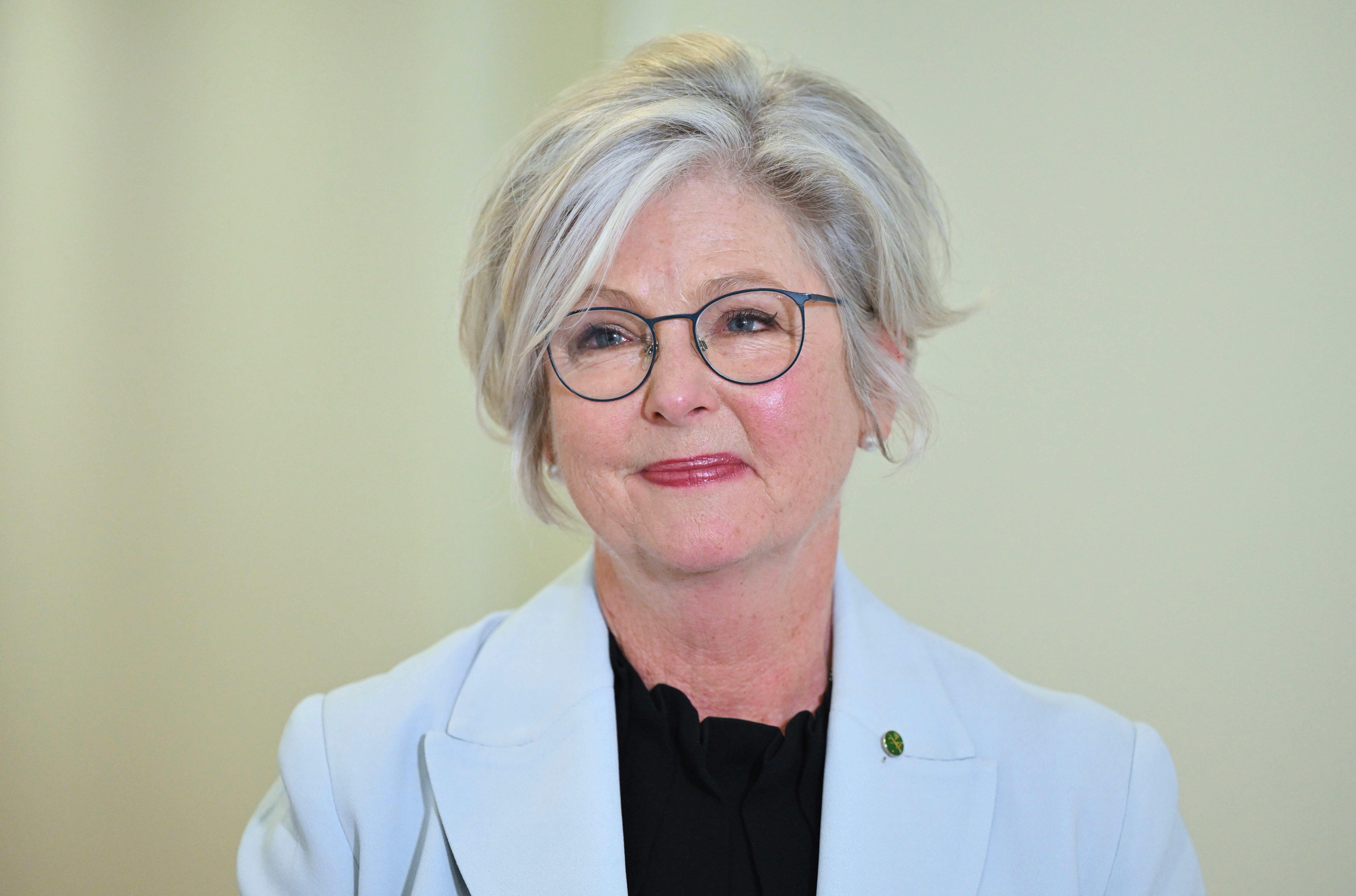
An Australian federal independent lawmaker is fighting for her life. A vehicle struck her in what authorities are calling a targeted, deliberate act. It happened right outside her electoral office.
Prime Minister Anthony Albanese didn't mince words. He stated publicly that the vehicle strike was no accident. A counter-terrorism taskforce is now involved. A 43-year-old driver was arrested on the scene by a quick-acting passerby, and police recovered a knife from inside the suspect's Toyota.
Security for elected officials has crossed a terrifying threshold. Threats aren't just staying online anymore. They are translating into physical violence on suburban streets.
The Escalation of Political Violence Down Under
We like to think Australia is insulated from the toxic political hostility plaguing other parts of the world. We pride ourselves on a relatively accessible democracy where politicians walk down local high streets without heavy security details.
That illusion shattered.
Australian Federal Police Commissioner Krissy Barrett revealed that threats against parliamentarians doubled over a three-year window leading up to 2025. Home Affairs Minister Tony Burke dropped an even more staggering figure: police data logged more than 1,000 direct threats against politicians during the 2025-2026 financial year alone.
When threats scale into the thousands, incidents become statistical probabilities rather than anomalies.
What We Know About the Attack
Details are still emerging as federal and state police piece together the timeline. The incident unfolded swiftly on Monday morning. The driver, a 43-year-old local, was wrestled or detained by a bystander immediately following the impact before police arrived to make the formal arrest.
Officers searched the suspect's vehicle and seized a knife. That finding shifted the investigation away from a standard traffic accident into the realm of targeted violence.
Prime Minister Albanese confirmed that national counterterrorism teams, which incorporate both federal police and specialized intelligence agencies, have stepped in to lead the inquiry. Officials admit they don't yet know the exact motivation driving the suspect. Was it ideological extremism? Personal grievance? Severe mental health distress exacerbated by polarized public discourse? Investigators are sorting through digital footprints, phone records, and background history right now.
The Cost of Open Democracy
Open access defines Australian politics. Lawmakers hold mobile offices in local shopping malls. They door-knock suburbs alone. They meet constituents in neighborhood coffee shops.
That accessibility makes democracy vibrant. It also leaves politicians completely exposed.
When security tightens, public life suffers. If MPs are forced behind blast-proof glass, high fences, and permanent armed guards, the connection between the representative and the represented breaks down. Yet, incidents like this force a harsh reckoning. Lawmakers are asking hard questions about whether open-door policies are sustainable in a climate poisoned by rage and radicalization.
The Broader Global Pattern
Australia isn't standing alone in this nightmare. Democracies everywhere are watching public servants face escalating physical danger. From the assassination of UK MP Jo Cox to attacks on local officials across North America and Europe, the threat matrix has fundamentally evolved.
Social media algorithms pump outrage into feeds twenty-four hours a day. Fringe ideas normalize rapidly. Soon enough, vulnerable individuals cross the line from typing angry comments online to turning a steering wheel into a weapon.
Where Politics Goes From Here
Political leaders must address the root causes of radicalization while beefing up immediate physical protections. Security upgrades for electorate offices are inevitable. Panic buttons, bollards, and professional security assessments will become standard operating procedure rather than rare exceptions.
Yet, physical barriers are merely band-aids. The toxic rhetoric dominating digital spaces needs a collective cooldown. Until public discourse pulls back from the brink of total hostility, the people we elect will carry an unacceptably heavy risk just for showing up to work.


