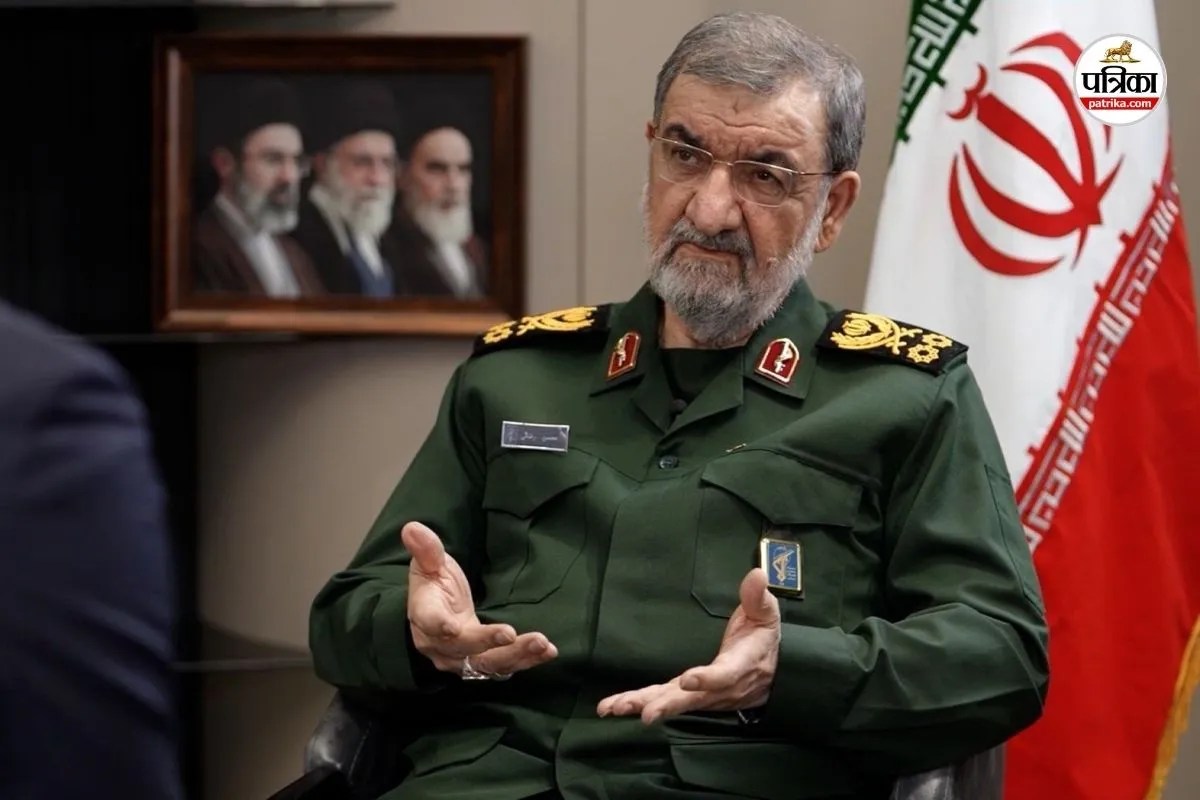
The Strait of Hormuz is the world's most critical maritime chokepoint. Right now, it is turning into a powder keg. If you've been watching the headlines out of the Persian Gulf, you know the rhetoric between Tehran and Washington just reached a dangerous new pitch. The Islamic Revolutionary Guard Corps (IRGC) isn't mincing words anymore. They’ve made it clear that any continued American backing of what they term "illegal ships" navigating these contested waters will draw a direct response.
Let's look at what's actually happening on the ground and why this geopolitical flashpoint matters more than ever.
The Roots of the Hormuz Chokepoint Crisis
Geopolitics rarely erupts overnight. The narrow stretch of water connecting the Persian Gulf to the Gulf of Oman carries roughly a fifth of the world's petroleum supply. When tensions flare here, global energy markets shudder instantly.
Recent weeks brought a sharp spike in maritime incidents. Reports from regional news agencies highlighted multiple oil tankers sustaining damage or striking sea mines near crucial shipping lanes. Tehran blames aggressive posturing and unauthorized vessel movements backed by Washington for compounding the danger. Meanwhile, American military planners view the region through the lens of protecting international freedom of navigation.
That fundamental disagreement creates a permanent state of friction. Every patrol, every intercepted radio call, and every naval maneuver carries the weight of potential miscalculation.
Inside the IRGC Warning
The latest declaration from the IRGC naval command leaves very little room for diplomatic ambiguity. By stating that American assets and regional bases could become direct targets if illegal vessel support continues, Tehran is drawing a hard red line.
Why now? Because the economic and strategic stakes for Iran are immense. Sanctions, regional proxy tensions, and a constant U.S. naval presence have put Tehran on high alert. The IRGC operates under the doctrine of deterrence through asymmetric capability. They know they can't match global superpowers ship-for-ship across blue water, but they can control the narrow corridors of the Gulf using fast attack craft, coastal missiles, and mines.
When Iranian officials warn about unauthorized vessels, they are pointing directly at commercial shipping traffic that ignores their maritime guidelines or bypasses inspections mandated by local authorities.
What Most Observers Miss About Gulf Security
Most mainstream commentary treats these standoffs as isolated incidents of political theater. They aren't.
- Economic Vulnerability: A prolonged disruption in the Strait of Hormuz doesn't just impact Middle Eastern producers. It spikes global crude oil prices within hours, hitting everyday consumers at gas pumps from Tokyo to New York.
- The Threat of Sea Mines: Modern naval warfare isn't just about aircraft carriers and destroyers. Simple, low-tech sea mines deployed in shallow waters can paralyze billion-dollar supertankers. The recent reports of mines impacting commercial hulls demonstrate how asymmetric threats disrupt high-end trade.
- The Risk of Accidental Escalation: The scariest part of the current standoff isn't a planned, all-out war. It's a localized accident. A misread radar signal, a warning shot fired too close, or a communication breakdown between a patrol boat and a destroyer could trigger a chain reaction neither side actually wants.
Where the Diplomatic Roadmap Fails
Diplomacy requires channels of mutual trust, which are currently almost non-existent. Washington maintains a robust military footprint in the region precisely to deter Iranian aggression and assure allies like Saudi Arabia and the UAE. Yet, that very military presence is what Tehran cites as the primary source of instability.
Neither side appears willing to back down first. The U.S. Navy isn't going to abandon its commitment to open sea lanes, and the IRGC isn't going to surrender control of its backyard security perimeter.
As statements grow sharper and naval patrols tighten, the margin for error shrinks. The global economy relies on the peaceful transit of oil through a corridor currently policed by distrusting rivals. Keep a close eye on the Gulf. The next move won't wait for negotiations.