Courts don't usually drag judges into the weeds of municipal golf course architecture, but Washington, D.C. is no ordinary city.
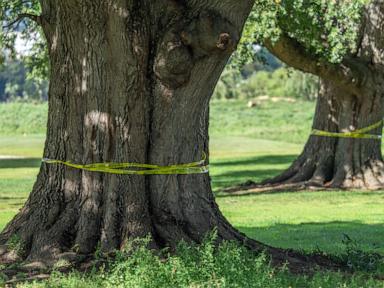
U.S. District Judge Ana Reyes put a firm halt to tree-cutting and major transformations at the historic East Potomac Golf Course until October 26. This order wasn't just about a few trees getting chopped down. It exposes a raw nerve over federal power, public land use, and how the Trump administration is trying to stamp its physical footprint directly onto the nation's capital.
If you've been watching the rapid-fire changes planned for public parks around Washington, you know nothing happens in a vacuum. Let’s break down why this specific court order matters, what triggered the judicial smackdown, and what comes next for one of D.C.’s most cherished public greens.
The Breaking Point at East Potomac Golf Course
The dispute flared up after federal work crews moved in to start major modifications over a holiday weekend. Plaintiffs involved in a lawsuit trying to block the overhaul woke up to sudden tree removal, while the court was caught completely off guard.
Judge Reyes held a tense three-hour hearing that laid bare her frustration. She didn't hold back, sharply criticizing government attorneys and accusing the administration of misleading the court regarding the timeline and scope of the work. When judges feel like they're being played with sudden holiday-weekend maneuvers, they tend to drop the hammer.
That immediate friction led to an initial short-term pause, which has now been extended through October 26. During this window, the government must provide the court and the plaintiffs at least three business days of written notice before making any irreversible changes to permanent features at East Potomac.
What’s Actually Happening to D.C. Public Golf
East Potomac isn't just a place to shank drives into the Potomac River. It's part of a historic trio of public courses in Washington managed by the National Park Service, alongside Langston and Rock Creek.
The administration's push to remodel and control these municipal courses has sparked heavy debate. On one side, proponents argue that these public spaces need massive upgrades to fix aging infrastructure and improve playability. On the other side, preservationists, local advocates, and regular golfers worry about commercialization, skyrocketing green fees, and the loss of accessible public recreation space for everyday D.C. residents.
When the National Park Service terminated previous leases and moved forward with aggressive overhaul plans, it felt to many locals like a hostile takeover of community land. The Trump administration has made reshaping the capital region a signature theme—proposing everything from clearing homeless camps and cleaning up parks to building arches near Arlington National Cemetery. Remaking public golf fits neatly into that broader aesthetic and political campaign.
The Legal Battlefield Ahead
October 26 isn't a finish line; it’s a checkpoint. Judge Reyes made it clear that if heavy machinery or rogue bulldozers roll onto the property without proper legal clearance, she won't entertain a drawn-out briefing schedule. She expects parties to show up with documentation immediately.
For the administration, dealing with an aggressive federal judge who demands transparency is throwing a wrench into expedited construction timelines. For the plaintiffs, the court order provides a vital breathing room to argue their case before historic trees and landscape features disappear forever.
Public land in Washington belongs to the public, not whichever administration holds office. As this legal showdown resumes later this month, the core question remains whether executive ambition can steamroll local oversight or if the courts will force a slower, more accountable process. Pay close attention to the filings over the next two weeks because municipal golf has suddenly turned into the frontline of federal power.



