You’ve heard this song before. Washington announces a breakthrough, diplomats scramble across European capitals, and headlines declare that peace is finally within reach. But beneath the diplomatic posturing and high-stakes meetings in Saint Petersburg, the reality on the ground looks messy, brutal, and far from finished.
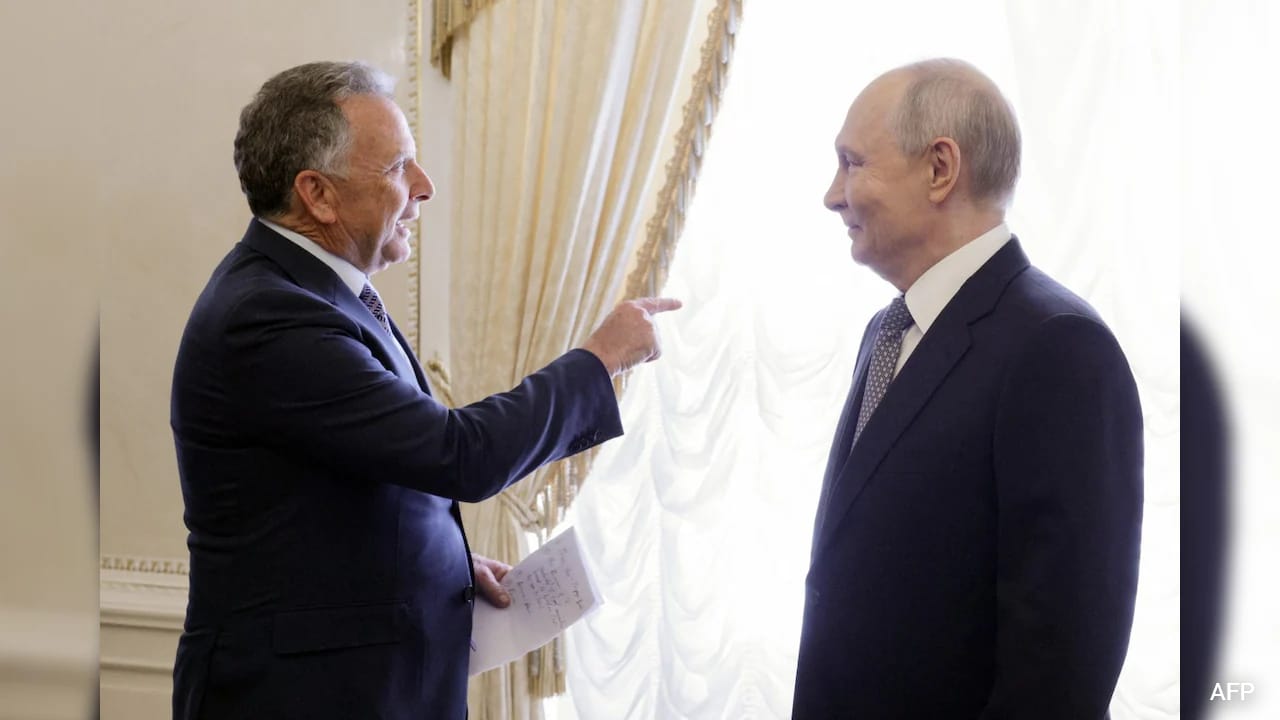
US special envoy Steve Witkoff recently sat down with Vladimir Putin, flying straight from an intense session with Volodymyr Zelensky in Oslo. Following the three-hour meeting in Russia, Donald Trump proclaimed that the end of the conflict is closer than ever. Yet, Moscow is already throwing cold water on Western proposals, and the bombs haven't stopped falling on Ukrainian cities.
Let's look past the political spin and examine what's actually happening behind closed doors.
The Trilateral Revival and the Midterm Clock
Moscow has signaled its readiness to resume trilateral talks involving Russia, Ukraine, and the United States by mid-November. Timing is everything here. That timeline places the potential restart squarely after crucial US midterm elections, where Republicans face fierce battles to retain control of Congress. Further details regarding the matter are explored by The Washington Post.
Donald Trump came back to power promising to wrap up the war in twenty-four hours. More than a year of intense US-led negotiations has shattered that timeline, leaving thousands dead and millions displaced. With voters anxious about domestic economic pressures, fuel prices, and foreign entanglements, Washington's urgency to secure a diplomatic win has skyrocketed.
Kremlin aide Yuri Ushakov didn't mince words after Witkoff's visit, noting that while Russia is open in principle to restarting talks, the European and Kyiv-driven peace blueprints brought to the table lacked real substance. Moscow continues to insist that post-war security must take center stage, while maintaining its strategic grip on eastern Ukraine.
The Prisoner Release and the Diesel Trade-Off
Diplomacy is rarely altruistic, and the recent breakthroughs are tied directly to hardnosed transactional politics. During the Saint Petersburg discussions, Putin granted Trump's request to free Stephen Hubbard, a retired American English teacher who had been detained since the early days of the 2002 invasion.
Witkoff openly praised Putin, calling him a humanitarian for the release—a remark that raised eyebrows across Western capitals. But that concession came with a price tag. Trump delayed rolling out heavy sanctions targeting Russia's economic machinery, admitting quite bluntly that clamping down immediately would have meant losing Hubbard for good.
At the same time, a controversial diesel deal between Washington and Moscow has sparked fury in Kyiv and among European allies. While the arrangement aims to ease pain at US petrol pumps ahead of the midterms, it hands the Kremlin a critical financial lifeline just as winter sets in.
What Kyiv and Europe Are Saying
Zelensky has publicly stated that Kyiv supports reviving the trilateral meetings as soon as possible. But the friction between Washington and Ukraine remains palpable. Recent weeks saw stark disagreements, with Washington pushing for structural leadership shifts in Kyiv while European leaders scramble to ensure their own security architectures aren't bypassed by backroom US-Russian deals.
Meanwhile, preparations are quietly underway for an unprecedented summit in Shenzhen, China, bringing together Putin, Trump, and Xi Jinping. If it materializes, a three-way superpower summit would mark a historic shift in how post-conflict global alignment is negotiated, entirely sidelining traditional European security partners.
The Brutal Ground Reality
Diplomatic breakthroughs in European boardrooms rarely align with the situation on the ground. Even as Witkoff reported "momentum" following his talks, Russian airstrikes continued to pound Ukrainian population centers. Recent attacks across Kyiv and the Kharkiv region claimed civilian lives, while drone strikes hit infrastructure in Lugansk.
Winter brings a punishing new phase to the conflict. Energy grids remain prime targets, and ordinary citizens are bearing the heaviest cost of a war that global leaders claim is winding down.
If you're tracking international stability, don't rely solely on optimistic soundbites coming out of Washington or Saint Petersburg. Watch the mid-November negotiations, monitor the fallout from the energy agreements, and pay attention to whether the fighting actually pauses when the snow sets in. Keep your eyes on the technical-level talks between military planners, because that is where any real settlement will live or die.



