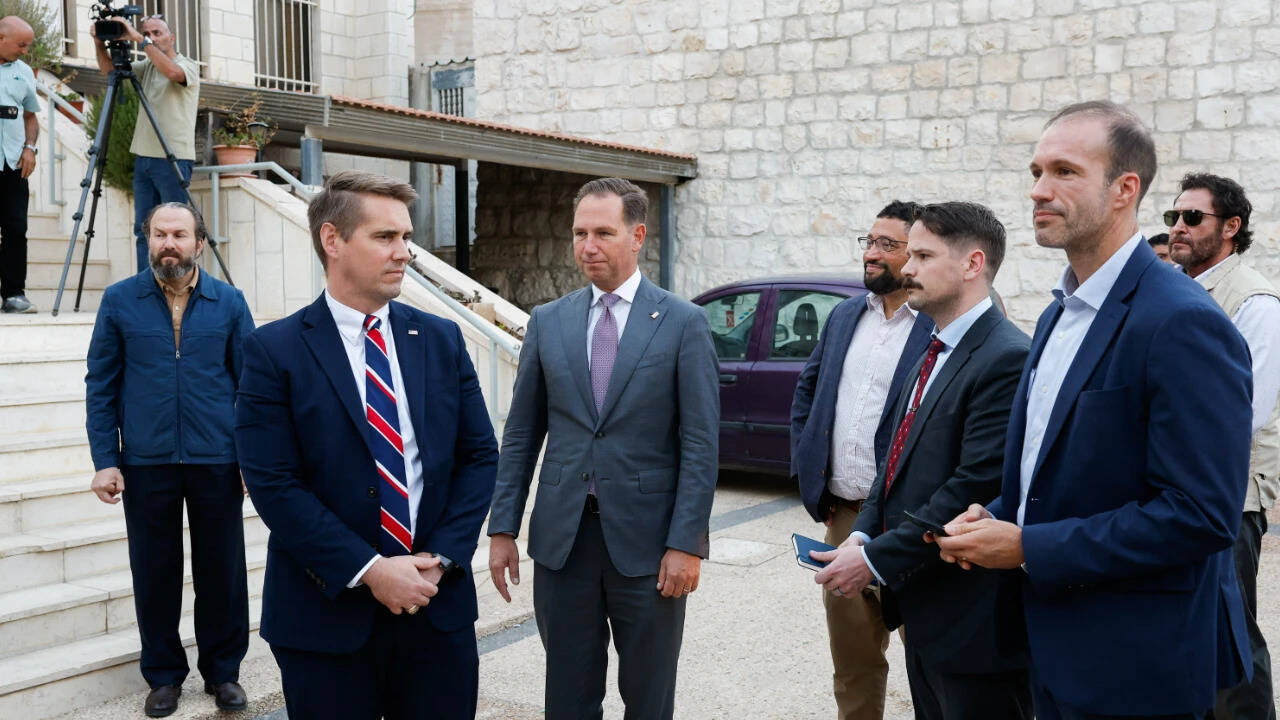
High-ranking American diplomats walked through the historic streets of Taybeh this weekend, but their presence won't stop the next wave of violence in the West Bank.
When Assistant Secretary of State Riley Barnes and US Ambassador to the Holy See Brian Burch touched down in the Christian Palestinian village near Ramallah, they were responding to a brazen weekend assault. Masked Israeli settlers had just attacked a group of European diplomats, a French mayor, and local farmers during the annual olive harvest. Hours earlier, a prominent American photojournalist was hospitalized after being beaten while covering similar harvest clashes.
Diplomatic tours and statements of concern are routine now. Real protection for civilians on the ground remains entirely absent.
The Anatomy of a Broken Harvest Season
Olive harvesting in the West Bank used to be a peaceful, communal ritual. Now it's a flashpoint. Human rights groups like Yesh Din have documented well over 170 violent incidents by Israeli settlers since late September alone. To read more about the history of this, TIME provides an in-depth breakdown.
Foreign observers and journalists are no longer immune. When Belgian, French, and Polish diplomats accompanied Palestinian farmers near Taybeh to provide a protective international presence, masked attackers didn't back down. They threw rocks, intimidated the delegations, and forced civilians off their land while Israeli border forces stood by or deployed tear gas against the farmers instead of the aggressors.
Prime Minister Benjamin Netanyahu tried to deflect blame, claiming the European diplomats entered a sensitive area without prior military coordination. Israeli Foreign Minister Gideon Saar admitted rioters were to blame, yet by Sunday evening, Israeli authorities had announced zero arrests. Impunity fuels the escalation. When attackers know there are no legal consequences, violence isn't an aberration—it's policy by default.
Political Convenience Trumps Ground Realities
Washington's response to Taybeh highlights a glaring contradiction in US foreign policy. High-level envoys visit historic Christian villages to express solidarity, yet the broader political machinery looks the other way.
The timing of the Taybeh visit coincided with political endorsements from Washington that signal unconditional support for right-wing coalition partners in Israel. While rhetorical statements oppose settlement expansion, actual diplomatic pressure is nonexistent. Netanyahu's government faces zero tangible penalties for the ongoing land grabs and intimidation campaigns carried out by the 500,000 settlers living across the territory.
Local residents in Taybeh aren't buying the diplomatic theatre. They know that a walk through the Latin Convent church by American officials won't stop masked groups from returning tomorrow.
What Happens Next on the Ground
If you're watching the West Bank, expect the violence to accelerate as the harvest season continues. The metrics are clear:
- Settler attacks are rising week-over-week.
- Accountability through local law enforcement is virtually non-existent.
- International diplomatic shields offer zero physical protection against armed groups.
Real change won't come from foreign officials visiting towns after the damage is done. It requires concrete sanctions, arrests of violent offenders, and a complete reversal of official tolerance for expansionist extremism. Until those steps happen, visits to Taybeh are just empty photo ops.



