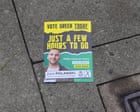
Political movements rarely crash because of external enemies alone; they usually fracture from internal pressure and poor timing. Zack Polanski finds himself at a brutal intersection of electoral ambition and internal chaos after the Holborn and St Pancras byelection defeat. When you stake your credibility on replacing established parties, coming up short in a high-profile contest leaves you wide open to heavy fire.
The Green party leader in England and Wales has built a reputation on high-stakes gambles. Earlier, the historic win in Gorton and Denton felt like a blueprint for an ecosocialist surge. Membership surged past 230,000, and local election victories hinted at a genuine political earthquake. But the landscape shifted dramatically in north London. Sagal Abdi-Wali secured 45 percent of the vote for Labour, leaving Polanski trailing at 33 percent. While a 13-point swing gives his loyalists room to spin a positive narrative, the hard data tells a more complicated story about his personal brand.
Public perception has turned sour. Polanski currently sits as the least popular major UK party leader, dropping to a minus 28 net approval rating according to More in Common data. That puts him behind Nigel Farage in public favorability. Soft supporters who once saw the Greens as a polite, environmentally focused alternative have grown weary of constant internal turbulence.
A compounding factor was the recent conference in Brighton, where a contentious motion equating Zionism with racism triggered fierce backlash. Polanski chose to abstain from the debate and vote to focus on his byelection campaign. That absence cost him dearly. Critics inside and outside the party, including former leader Caroline Lucas and Jewish Greens leader Vivien Lichtenstein, argued that leadership requires showing up for the hardest votes instead of dodging them. When senior figures start questioning your positioning on critical ethical questions, the pressure to step down becomes hard to ignore.
Yet writing off Zack Polanski right now ignores how modern political movements operate. Factions like Greens Organise remain fiercely loyal, arguing that setbacks are part of rapid expansion. They point out that building an anti-establishment force takes time, and minor bumps shouldn't derail a broader vision. Furthermore, Labour's defense in Holborn benefited heavily from a consolidated progressive vote once Keir Starmer's exit shifted dynamics under Andy Burnham.
To survive this crisis, the Green leadership needs an immediate course correction. Dwelling on internal culture wars or controversial conference votes alienates the everyday voters who care most about cost-of-living pressures and local services. Polanski has to pivot back to his strongest card: sharp economic messaging targeting wealth inequality and systemic fairness. If he refocuses on the financial struggles of ordinary people, he might salvage his leadership. If he gets bogged down in endless factional fights, the Holborn defeat will look less like a temporary hurdle and more like the beginning of the end.



