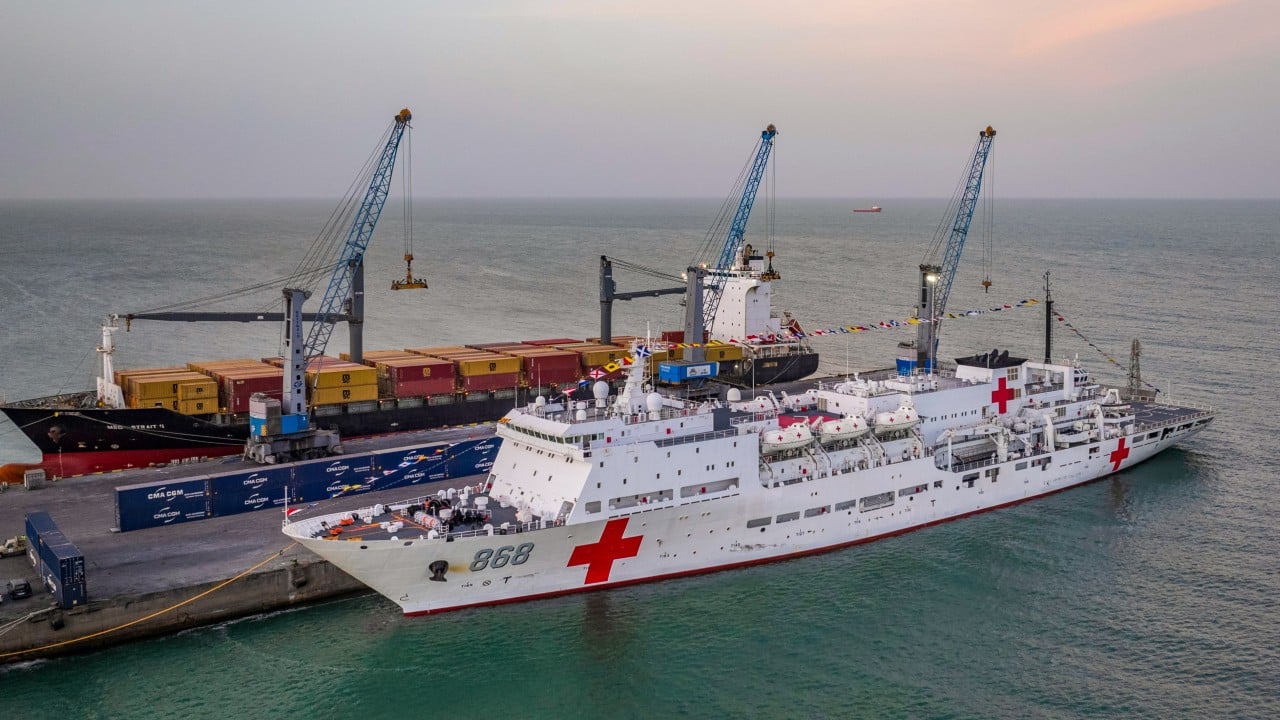
Soft power isn't built in a boardroom. It sails right into a harbor wrapped in white paint, bearing medical equipment and doctors ready to work. When a massive naval hospital ship drops anchor off the coast of West Africa, people notice. It's a calculated diplomatic maneuver happening right now. Beijing understands that healthcare access speaks louder than any treaty or trade loan.
Let's look at what's actually happening on the ground. Under deployments like Mission Harmony, Chinese naval medical vessels—such as the Auspicious Ark—travel thousands of miles to dock in nations like Mauritania, Côte d'Ivoire, Senegal, and Guinea. They aren't just showing the flag. They're performing thousands of free surgeries, treating newborns, and handing out medical care that local infrastructure often can't provide.
Why Medical Diplomacy Works So Well
If you want to understand why this strategy hits home, look at the alternative. Traditional foreign aid often arrives with thick stacks of paperwork, bureaucratic delays, and stringent conditions. Western initiatives frequently tie health funding to complex policy changes or sensitive data-sharing requirements.
China takes a different track. A floating hospital provides immediate, tangible relief. You can't argue with a cataract surgery that restores someone's sight or an emergency procedure that saves a newborn child. It creates direct, personal goodwill between local populations and foreign personnel. That grassroots appreciation translates directly into long-term diplomatic leverage.
The Geopolitical Chessboard
Healthcare isn't neutral anymore. It's a frontline arena for global influence. Washington and Beijing are competing fiercely for partnerships across the African continent. While Western agencies push for structural reforms and data access agreements that occasionally trigger sovereignty pushback from African states, China sends a floating clinic that requires zero debates over sensitive medical data.
Critics often dismiss these missions as pure propaganda. They're missing the point. Even if the underlying motivation serves a strategic grand design, the immediate benefit to patients waiting for care is real. You've got trained military doctors handling everything from routine check-ups to complex hernia operations right inside floating operating rooms.
What Comes Next for Bilateral Ties
This trend isn't slowing down. As maritime medical missions expand into South Asia and beyond, Beijing is refining its playbook for international engagement. Medical outreach proves far more effective at building enduring ties than traditional military patrols or high-level summits ever could.
When you offer healthcare where it's scarce, you secure your position at the diplomatic table for years to come. That's why these white-hulled ships are more than just floating clinics. They're the steady anchor of a much larger global strategy.



