In the hills of the occupied West Bank, survival often comes down to a few dozen goats. For rural families, livestock isn't just property; it's the core of an agrarian economy passed down for generations. When those animals are attacked, the blow goes straight to the foundation of daily life.
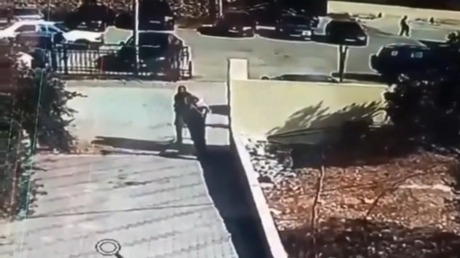
Footage emerging from the West Bank village of Al-Mughayyir shows an Israeli settler abusing and reportedly poisoning livestock. It’s an aggressive escalation in an ongoing campaign of rural intimidation designed to make Palestinian herding and agriculture completely untenable.
The Anatomy of Rural Intimidation
Al-Mughayyir isn't unfamiliar with hostility. Located northeast of Ramallah in the Binyamin region, the village has long dealt with localized friction, land restrictions, and settler incursions. But targeting livestock directly strikes at the economic jugular of pastoral communities.
When animals ingest toxic substances or suffer physical abuse, families lose milk production, meat yields, and breeding stock all at once. Replacing a herd takes years of capital and steady oversight. Settler attacks on agricultural assets follow a calculated pattern:
- Grazing Disruption: Herders are pushed away from traditional pastures through intimidation or physical force.
- Water Source Contamination: Cisterns and springs—vital for keeping livestock alive through arid summer months—are frequently targeted or rendered unusable.
- Direct Livestock Harm: Poisoning animals in pens or fields creates immediate economic panic.
Human rights monitors like B’Tselem have documented similar incidents across the West Bank, noting that attacks on agricultural infrastructure rarely face meaningful legal consequences. When a family loses dozens of animals overnight, accountability from local authorities is virtually nonexistent.
Why Pastoral Livelihoods Matter Right Now
Urban centers get the headlines, but the quiet war is happening in Area C and rural pockets where pastoralists feed their families off the grid. Squeezing these communities off their land serves a clear strategic purpose for extremist settlers looking to expand outposts. Drive the shepherds away, and the hills empty out.
If you look at the broader picture of West Bank developments, economic strangulation works hand-in-hand with physical violence. Olive harvests are disrupted, water pipelines are smashed, and herds are poisoned. It’s systematic pressure aimed at forced displacement without ever needing to fire a shot.
What Needs to Happen Next
Documenting these incidents on video is crucial, but digital evidence alone doesn't stop toxic bait from hitting the ground or protect a pen at dawn. Local communities are forced to set up grueling night watches and rely on grassroots solidarity networks just to protect their flocks.
International human rights organizations must step up pressure on judicial authorities to investigate agricultural sabotage as what it is: a direct assault on civilian survival and an attempt to alter the demographic reality of the West Bank. Until real legal consequences match the physical reality on the ground, rural families will continue bearing the brunt of unchecked hostility.