If you live thousands of miles away from your homeland, voting in a tight national election usually requires some effort. But when electoral officials suddenly shift and restrict overseas polling stations, casting a ballot turns into a massive logistics puzzle. For the Serbian diaspora scattered across North America, Europe, and Australia, this October’s high-stakes snap parliamentary election meant far more than dropping a paper slip in a box. It demanded grueling cross-country drives, cramped overnight buses, and grassroots crowd-funding just to make their voices heard.
Why are these overseas ballots suddenly such a flashpoint? Critics argue that relocating and limiting stations to just 93 designated spots worldwide is a deliberate bureaucratic choke point. When you restrict access, you discourage participation. And right now, participation from the diaspora is deeply feared by the ruling populist establishment led by Aleksandar Vučić, who faces his toughest political challenge yet following months of sustained student-led anti-government protests at home.
The Logistics Nightmare of Voting From Afar
Imagine living in Vancouver, Canada, and realizing your nearest authorized polling location is thousands of kilometers away because officials decided not to open a local station. For everyday expats juggling jobs, bills, and small children, taking days off work simply isn't realistic. As one former Belgrade journalist now working as a fundraiser in Canada put it to reporters, people have families and tight schedules. They can't just vanish for days on a whim.
Yet, instead of staying home, communities mobilized. In Canada, expat groups like VoteBnB didn't wait for government help. Serbs in Vancouver coordinated with volunteers in Toronto, organizing private airport transfers, crowd-sourced housing, and carpools that spanned vast geographic expanses. Similar stories played out globally. In places like Brisbane, Australia, registered voters organized caravans just to reach the handful of approved diplomatic outposts. To explore the full picture, we recommend the excellent report by NBC News.
This DIY infrastructure highlights a core truth about diaspora voting. When governments put up hurdles, motivated citizens build bridges. But it shouldn't take a cross-continent road trip just to exercise a constitutional right.
Why the Diaspora Threatens the Status Quo
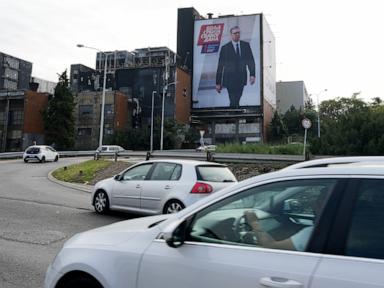
To understand why these logistical hurdles matter, you have to look at the domestic political earthquake shaking Serbia right now. Vučić called this early parliamentary election for October 25 to claw back control after two years of relentless street demonstrations, university walkouts, and public anger over democratic backsliding and institutional decay.
International monitors, including delegations from the European Union and the OSCE, haven't hesitated to voice serious concerns about the fairness of the entire cycle. Between state resource bias, intense media polarization, and allegations of voter suppression, the playing field looks heavily tilted.
Expats often view the situation through a different lens. Free from local economic pressures and state-controlled media narratives, the diaspora frequently leans toward change. Student-led opposition lists have gained massive traction among younger, mobile Serbs living abroad who want a fresh political direction. By limiting overseas polling capacity to 93 stations globally, critics contend the administration hoped to clip the wings of this distant but passionate electorate.
What This Means for Future Elections
Electoral engineering through administrative friction is a classic playbook move. You don't need to ban voters outright if you simply make voting inconvenient enough that they give up. But this year, that strategy sparked an unexpected backlash. Instead of depressing turnout, the relocated stations turned voting into a badge of honor and collective resistance.
If you are following international democratic trends, the takeaway is clear. Administrative manipulation of voting access often backfires by waking up dormant communities. When expats spend their own money, sleep on stranger's couches, and drive through blizzards or desert highways just to vote, they are sending a message that echoes far louder than any local ballot.
Take the initiative. If you track global politics or support diaspora rights, look into how international coalitions monitor cross-border voting integrity. Democracy survives only when its participants refuse to let geography silence them.