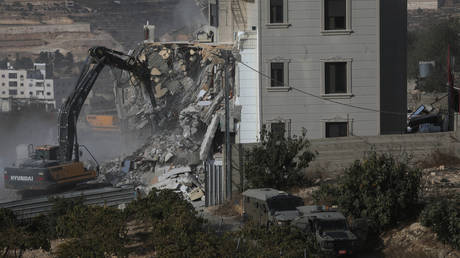
The narrow shipping lane separating the Persian Gulf from the Gulf of Oman has become the most dangerous body of water on earth. Every twenty-four hours, maritime traffic through the Strait of Hormuz runs a gauntlet. Reports of massive explosions and nightly warnings from the Islamic Revolutionary Guard Corps have turned commercial transit into a high-stakes gamble. If you think this is just regional posturing, you're missing the bigger economic picture.
Energy markets are reacting in real time to every flare-up. Oil prices jump four percent on the latest reports of nighttime intercepts and warnings issued to commercial vessels. Tanker captains are demanding massive hazard bonuses just to make the transit, while maritime security firms report that shadow fleets and non-compliant ships face direct enforcement actions after dark. The water is contested, and the rules of international passage are fracturing under the weight of an escalating confrontation.
Why the Strait of Hormuz Dictates Global Energy
Look at a map. Roughly a fifth of the world's petroleum consumption flows through this choke point. When Tehran's military officials claim that nightly patrols target ships violating security parameters, global shipping companies listen. Insurers spike their rates overnight. Tankers turn around mid-voyage or drop anchor in safer waters rather than risk a run past the Iranian coast.
Washington and its allies reject Tehran's claims of total maritime control, maintaining that naval escorts and carrier strike groups keep commercial lanes viable. Yet the reality on the ground—and on the water—tells a more fragile story. The US Treasury Department keeps hammering Iran's shadow network with sweeping sanctions targeting dozens of vessels and entities, trying to choke off the oil sales that fund these operations. But sanctions don't stop explosions in the southern stretches of the strait.
The Human and Financial Toll on Crews
Behind the geopolitical headlines are ordinary mariners facing impossible choices. Reports from maritime agencies indicate that crew members on commercial tankers are seeing hazard pay skyrocket. Some captains pull six-figure salaries supplemented by massive per-trip bonuses just to navigate the bottleneck.
This financial incentive masks deep anxiety. When explosions rock the southern corridor, shipowners weigh multimillion-dollar cargo values against the safety of their crews. Many choose to bypass the area entirely using alternative pipelines or extended routes, dragging down overall shipping volume well below prewar baselines.
What Happens When Diplomacy Stalls
Diplomatic off-ramps look increasingly narrow. Proposals to reopen or fully neutralize tensions in the waterway have repeatedly stalled as both sides dig in. Iranian leadership insists that its nuclear and maritime positions are non-negotiable, while Western capitals tighten the economic screws and maintain a heavy naval presence.
The nightly enforcement actions by the IRGC prove that the conflict isn't slowing down. Until a comprehensive security framework replaces the current cycle of threats and retaliations, the Strait of Hormuz remains a powder keg where a single miscalculation could upend global trade permanently.