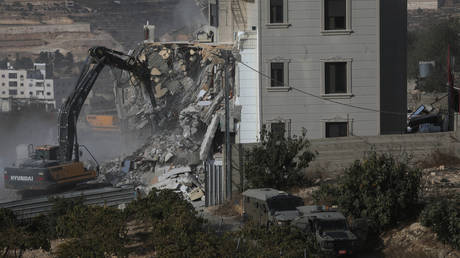
When warplanes tore through the remote mountain air above Jabal al-Uqaydat, they didn't just hit dirt and rock. They obliterated a makeshift camp packed with desperate workers looking for a way to survive. At least 72 artisanal miners lost their lives in the sudden barrage near the Sudan-Egypt border, though local reports and survivors suggest the true toll could climb much higher.
Why were thousands of people crammed into an isolated, scorching stretch of the Red Sea State to hunt for gold? You have to understand the bigger picture. Sudan's catastrophic civil war has shattered the economy, displacing millions and plunging families into extreme poverty. When survival becomes a daily struggle, working dangerous, informal gold mines isn't a choice. It's the only option left.
What Happened at Jabal al-Uqaydat
The sequence of events on that Saturday morning horrified witnesses. Warplanes appeared overhead without warning, dropping multiple payloads directly onto the prospecting site in the Shamal al-Wadi area. Survivors described absolute pandemonium. People scattered in every direction, running toward nearby markets or scrambling up the steep mountain slopes to escape the ongoing carnage.
Bodies littered the ground. Countless others remained trapped beneath heavy rubble, hours away from any functioning hospital or urban center. Rights monitors, including the Emergency Lawyers organization, immediately pointed fingers at the Egyptian air force, accusing Cairo of launching the assault. Egypt hasn't issued an official statement addressing the specific strike, though the Egyptian military previously acknowledged conducting operations against illegal mining inside its sovereign territory.
The Flashpoint Geography and Disputed Boundaries
The border region is a geopolitical mess. Both nations claim the mineral-rich Halayeb triangle, making it a tense flashpoint. Cairo remains a vital ally to the Sudanese army in its brutal conflict against the paramilitary Rapid Forces, which makes these cross-border attacks particularly sensitive and politically explosive.
This wasn't even an isolated incident. Back in June, a similar strike on the exact same informal mining site killed 23 workers. Thousands of people continue to flood the area anyway. Record gold prices act as a magnet for people with zero other sources of income.
The Aftermath and Demands for Accountability
Public outrage erupted across Sudan immediately following the news. In response to mounting pressure, Sudan's military leader, Abdel Fattah al-Burhan, ordered the creation of an official fact-finding committee. This body includes representatives from the judiciary, public prosecution, and security services to investigate the bloodshed and report back.
Families are grieving. Communities are demanding answers. When civilians trying to scratch a living out of the dirt become casualties of regional military actions, the human cost of the wider war grows too high to ignore.
The investigation continues, but for the families of the miners buried in the mountains, justice feels impossibly far away.
Airstrike kills 72 Sudanese workers at Egypt-Sudan border gold mine
This video provides a concise overview of the recent airstrikes that targeted artisanal gold miners along the Sudan-Egypt border, detailing the casualty figures reported by rights groups.