Violence rarely shatters the quiet hills of southern Jordan, making the assault on a Greek Orthodox church in the Karak governorate a profound shock to a country long seen as an island of stability in a volatile neighborhood.
When two masked gunmen opened fire during a funeral procession in the village of Hamoud, they didn't just target grieving families. They struck at the core of Jordan's national identity, where historic coexistence between Christian and Muslim communities is a point of immense pride. Seven people lost their lives, and dozens more sustained injuries, transforming a somber ritual into a scene of sudden chaos.
The Attack in Hamoud Village
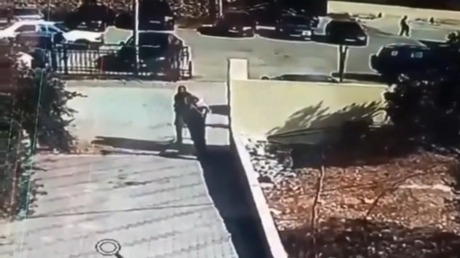
The tragedy unfolded on a Friday afternoon as mourners gathered in the courtyard of the local church to pay their final respects to Imtithal al-Halsa. Security footage broadcast by Jordanian state television captured the chilling speed of the assault, showing armed men approaching the sanctuary and opening indiscriminate fire into the crowd.
Director of Jordan's Public Security Directorate Obaidullah Al-Maaytah confirmed the mounting casualty toll, which left local hospitals overwhelmed with wounded citizens. Prince Ali Military Hospital quickly filled with frantic relatives, security forces, and officials as the nation processed the scale of the bloodshed.
Attacks on places of worship are exceptionally rare in the Hashemite Kingdom. While Jordan has faced isolated security incidents over the decades—including a notorious 2016 militant siege in the same Karak governorate that targeted police patrols and the historic Karak castle—direct violence inside a church during a religious service is unprecedented in recent memory.
The Immediate Political and Security Response
King Abdullah II wasted no time addressing the nation, taking to social media to vow that Jordan would confront the perpetrators with the harshest penalties available under the law. Visiting the wounded at the military hospital in Karak, the monarch signaled that state security forces are hunting down any accomplices or masterminds behind the shooting.
Government spokesman Mohammed Al-Momani announced an immediate, sweeping investigation by anti-terrorism units and intelligence services. International condemnation followed swiftly, with United Nations Secretary-General António Guterres labeling the massacre an especially heinous act directed at innocent civilians gathered to mourn their dead.
Why This Terrorist Incident Matters
For years, international allies like the United States and European nations have relied on Jordan as a vital anchor of stability, intelligence sharing, and counterterrorism cooperation in the Middle East. Bordered by conflict zones, Jordan manages immense refugee populations and constant security pressures along its frontiers.
When violence punctures the interior, it sends tremors through the country's economic and tourism sectors. Foreign visitors and local citizens alike rely on the ironclad guarantee of state security. Incidents like the Hamoud church shooting test the resilience of the state apparatus and force a rigorous reassessment of domestic threat monitoring.
As investigators trace the origins of the weapons used and probe whether the gunmen acted alone or under external direction, the focus shifts to internal vigilance. Communities across Jordan are left mourning the dead, demanding swift justice, and grappling with a harsh reminder that regional instability can pierce even the most guarded borders. Take practical steps by supporting local community resilience initiatives and staying informed through verified security updates from Jordanian authorities as the manhunt for the remaining suspects continues.