If you thought the political loyalty of Asian Americans, Native Hawaiians, and Pacific Islanders was locked down for the long haul, recent polling data begs to differ. The political ground is shifting underneath Washington's feet, and the change is happening fast.
A fresh collaborative survey from AAPI Data and The Associated Press-NORC Center for Public Affairs Research reveals a sharp cooling of support for Donald Trump among AAPI adults. Barely one in four AAPI adults now approves of Trump's overall job performance as president. When you look specifically at the economy—traditionally a major battleground for working-class and small-business voters—the numbers drop even lower, with only about two in ten giving him a passing grade.
What drove this sudden pivot? It isn't just one isolated policy. It's a heavy cocktail of soaring consumer prices, unexpected foreign conflicts pushing gas prices sky-high, and mounting anxieties over small business survival.
The Economic Reality Check
For years, political pundits treated minority voting blocks as static monoliths. That strategy always fails under real-world pressure. AAPI communities own thousands of neighborhood restaurants, retail shops, and independent businesses across the country. When inflation bites, supply chains stutter, and tariffs push up the cost of everyday goods, these business owners feel the pinch immediately. Observers at NBC News have also weighed in on this situation.
Data from recent tracking surveys show that roughly 8 in 10 AAPI adults expect tariff policies to drive up the price of consumer goods rather than protect domestic manufacturing. When you're paying an extra $1.50 a gallon at the pump because international conflicts have disrupted energy markets, campaign promises about a booming stock market sound completely disconnected from your reality.
Voters like Rebecca Larocco, a Korean American voter from Corning, Iowa, capture the exact mood on the ground. She backed Trump in past election cycles, supporting tighter border controls, but now finds herself staring down compounding household costs and unexpected global entanglements with deep unease. She isn't alone. Millions of voters who gave the administration a chance are discovering that broad economic rhetoric doesn't pay grocery bills.
Beyond Pocketbook Issues
The drop in approval isn't purely about inflation and gas prices. Structural immigration policies and federal enforcement actions play a major role in shaping community sentiment. Many families within AAPI communities report feeling heightened anxiety regarding visa processing, stricter deportations, and aggressive enforcement tactics like ICE raids.
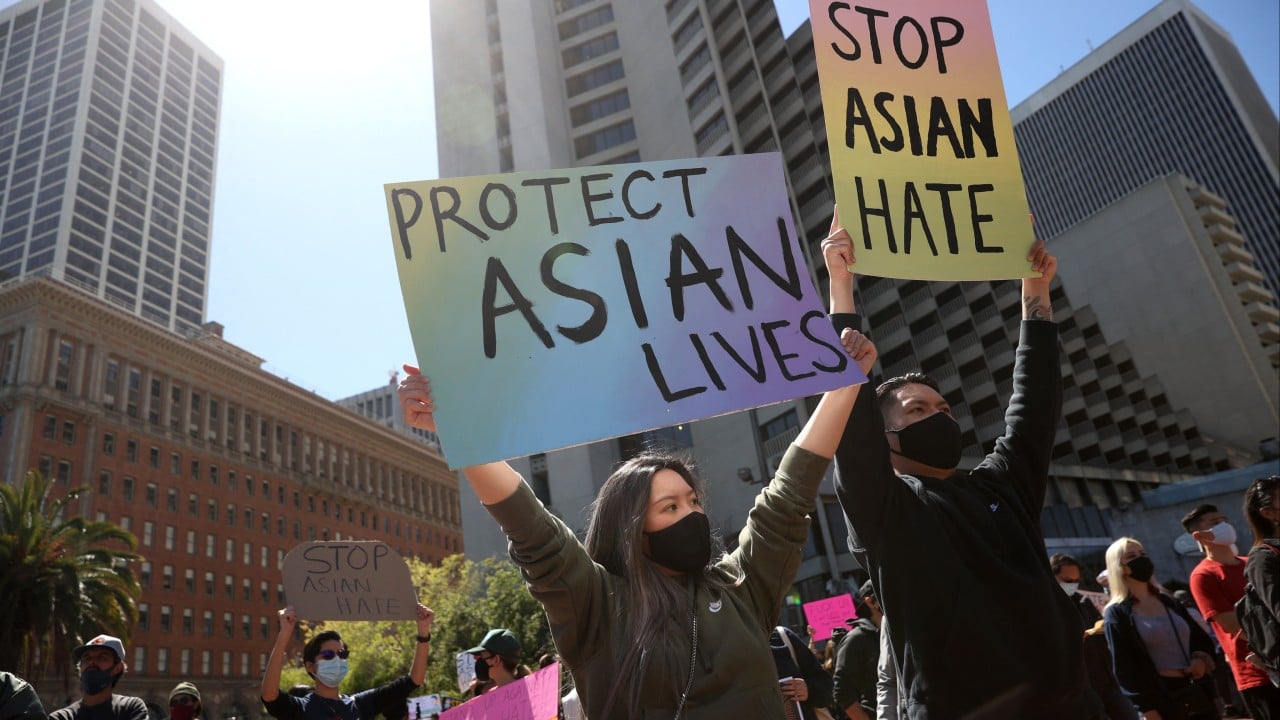
When political rhetoric singles out foreign nations or frames immigration through an adversarial lens, the collateral damage hits everyday Asian Americans who face rising xenophobia and questions about their fundamental sense of belonging. Surveys conducted by advocacy groups like The Asian American Foundation show that a staggering majority of Asian Americans report feeling unsafe or hyper-visible in public spaces during periods of heightened nationalist rhetoric. Safety and stability matter just as much as tax rates.
What This Means For The Midterms
Politicians love to court minority voters with generic outreach campaigns right before an election cycle. But voters remember what happened between election days. Democrats are clawing back a substantial trust advantage on issues like healthcare and basic economic relief, but it would be a mistake to assume they've secured long-term loyalty either.
A significant chunk of AAPI adults remain deeply split or mistrustful of both major political parties when it comes to managing taxes, cost of living, and foreign policy. They aren't switching sides out of blind party allegiance; they are reacting defensively to policies that squeeze their wallets and threaten their peace of mind.
If political leaders want to win back the trust of Asian American communities, happy talk about Wall Street milestones won't cut it. Real economic relief, transparent governance, and a dialing down of divisive rhetoric are the bare minimum requirements. Until Washington addresses the core financial and social pressures facing working families, that approval rating will keep sliding downward. Stop looking for quick demographic fixes and start looking at household balance sheets.



