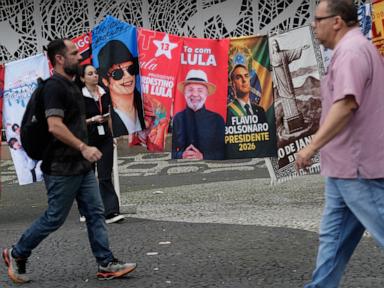
Brazil’s presidential race is deadlocked. Following a tense first round that saw incumbent President Luiz Inácio Lula da Silva face off against Senator Flávio Bolsonaro, neither candidate secured the absolute majority needed to claim outright victory. Now, the path to the presidency runs straight through millions of uncommitted citizens, blank-ballot castaways, and the roughly 20% of eligible voters who chose to sit out the initial contest entirely.
If you want to understand who will govern Latin America's economic powerhouse for the next term, stop listening to party loyalists. Watch the sidelines.
The Arithmetic of Abstention and Indecision
Electoral polarization creates heavy fatigue. Millions of Brazilians look at the choice between the Workers' Party and the resurgent conservative right and see no appealing future. Datafolha polls indicate that roughly 11% of the electorate remained genuinely undecided heading into the final stretch, while more than 33 million citizens stayed home or turned in blank votes during the first round.
Compulsory voting laws mean you have to show up at the electronic ballot box, but you can't force enthusiasm. People can still spoil their ballots or leave them blank. That silent protest forms a massive pool of potential influence.
Both campaigns are scrambling to court these reluctant participants, but their playbooks differ wildly. Lula leans heavily into his historic social safety nets and attempts to mobilize working-class neighborhoods by emphasizing affordability crises and past achievements. Bolsonaro’s camp targets economic frustration head-on, pressing an anti-establishment message and pointing to inflation numbers that hurt household budgets under the current administration.
Where Do the Eliminated Votes Go?
Third-place finishers and fringe candidates carved out millions of ballots that are now up for grabs. Figures like Augusto Cury, who captured over 3.4 million votes, immediately announced they would stay neutral rather than endorse either finalist.
That non-endorsement stance is telling. Candidates often assume their followers are sheep who will march wherever leadership points. They aren't. Millions of voters who backed alternative candidates in the first round hate both finalists equally. Winning them over requires tangible policy adjustments, not generic flag-waving.
Political scientists point out that historical precedents, such as the razor-thin margins seen in previous cycles, show how quickly massive leads can evaporate. In 2022, Lula’s initial multi-million vote advantage shrank dramatically by the time the second-round envelopes were counted. Turnout management will make or break the October 25 runoff.
What’s at Stake for the Region
The outcome of this election goes far beyond domestic tax policy or local infrastructure. Brazil sits at a massive geopolitical crossroads.
A victory for the Bolsonaro camp signals a sharp pivot toward closer alignment with Washington and a tougher stance against regional leftist allies, potentially shifting trade dynamics in rare minerals and international partnerships. A triumph for Lula keeps the nation tethered to its BRICS foundations, maintaining a calculated distance from Western capitals while solidifying deep economic ties with Beijing.
Voters sitting on the fence know the stakes are enormous. That's precisely why many are paralyzed. Choosing a side feels like picking which set of economic risks you are willing to tolerate.
Ignore the noise from the capital city. Watch how the campaigns spend their final three weeks addressing kitchen-table economics rather than ideological slogans, because the silent majority holds the pen that writes the final result.