Canada has relied on a national security playbook written back when flip phones were cutting-edge and foreign interference meant something entirely different. That two-decade-long gap is finally closing. Ottawa is gearing up to release a brand-new national security strategy, and honestly, it is about time.
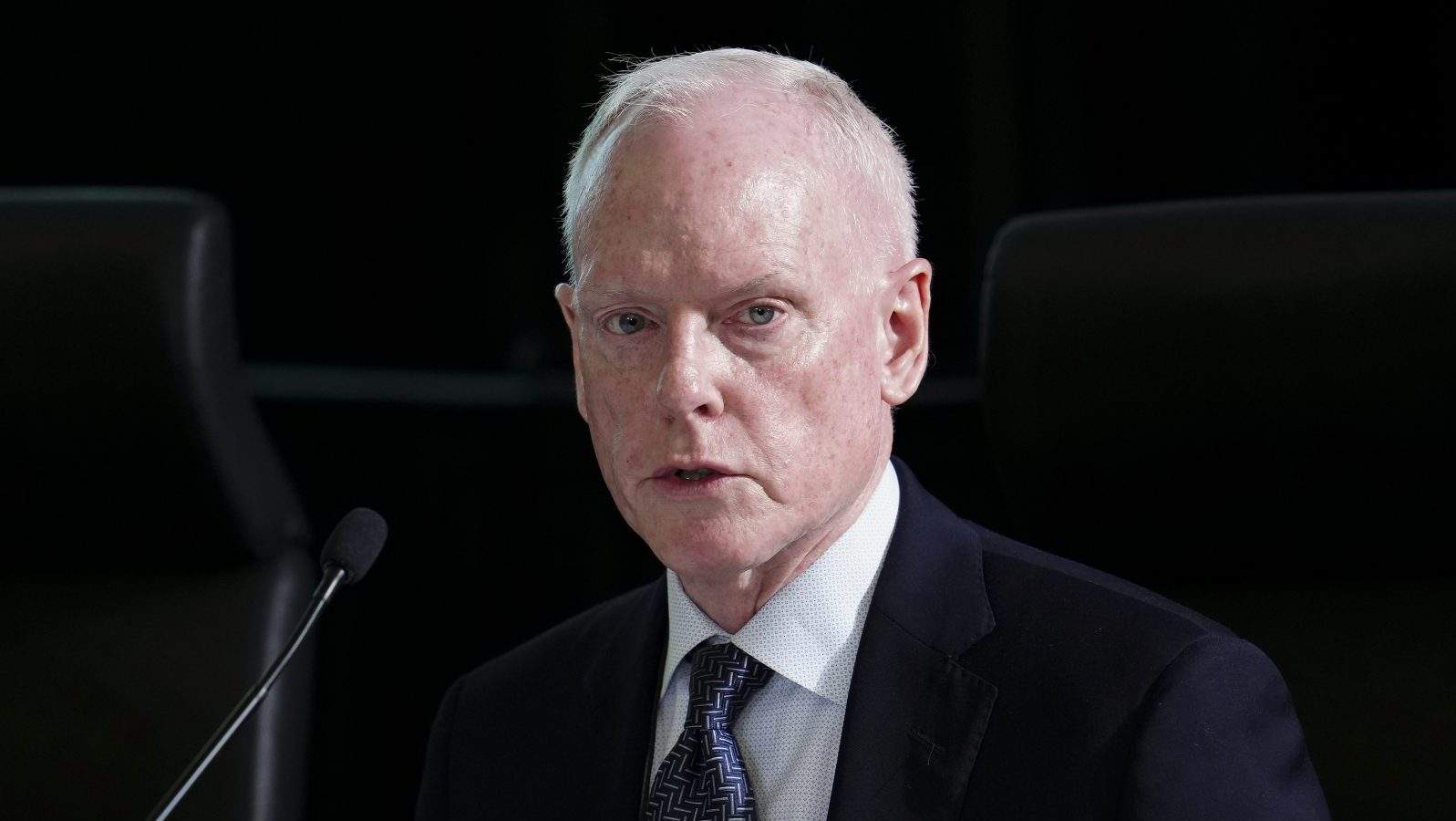
David Morrison, a top diplomatic and international affairs adviser, told a House of Commons committee that the policy is expected to drop in just a few weeks. For a country that has watched geopolitical tensions spike, trade weaponized, and cyberattacks become a daily routine, updating our defense posture from the Paul Martin era isn't just a bureaucratic checkbox. It is an urgent survival tactic.
The Problem With Operating on a Twenty-Year-Old Playbook
Let us look back. In 2004, Paul Martin’s government released Securing an Open Society. It was a fine document for its day. Back then, policymakers worried about traditional terrorism, border smuggling, and conventional statecraft.
They did not account for weaponized supply chains, state-backed cyber sabotage targeting our hospitals, or sophisticated foreign operations infiltrating democratic institutions. For twenty years, successive governments tinkered around the edges. They updated defense policies here and cyber strategies there, but a cohesive, overarching national security strategy? Completely missing in action.
When Justin Trudeau directed officials to draft a renewed strategy, it faced delays. Now, under Prime Minister Mark Carney's administration, the pressure to deliver has intensified.
Why Economic Security Now Equals National Security
The Privy Council Office has made it clear that the upcoming strategy will place a heavy emphasis on economic security. This is where the old guard gets things wrong. They think borders are defended only by ships, planes, and intelligence officers sitting in dark rooms.
Today, national security looks like protecting critical minerals from foreign hostile buyouts. It looks like securing intellectual property at our universities and shielding our energy grids from ransomware. When foreign actors can paralyze a pipeline or manipulate commodity markets without firing a single shot, the definition of defense changes entirely.
Ottawa is finally waking up to the reality that a weak economy makes a country vulnerable to external coercion. If you cannot secure your supply chains or protect your technology sectors, your military assets matter a lot less.
What to Expect and Why Skepticism Is Fair
You should take any government promise of a sweeping new strategy with a grain of salt. Ottawa loves a good announcement. The real test is execution.
Will this strategy come with actual funding, or will it be another glossy PDF that gathers dust on a shelf? Can Canadian intelligence agencies share information with private businesses fast enough to stop real-time cyber threats? And how will the federal government balance open trade with aggressive protection against economic espionage?
We need concrete answers to those questions. Vague promises about cooperation won't stop foreign interference or secure our critical infrastructure.
Watch for the release in the coming weeks. Read past the press releases and look for the budget allocations. That is where you will find out if Ottawa is actually serious about defending the country, or if they are just rebranding old habits. Stop waiting for politicians to fix it on their own and start demanding real accountability from your elected officials.



