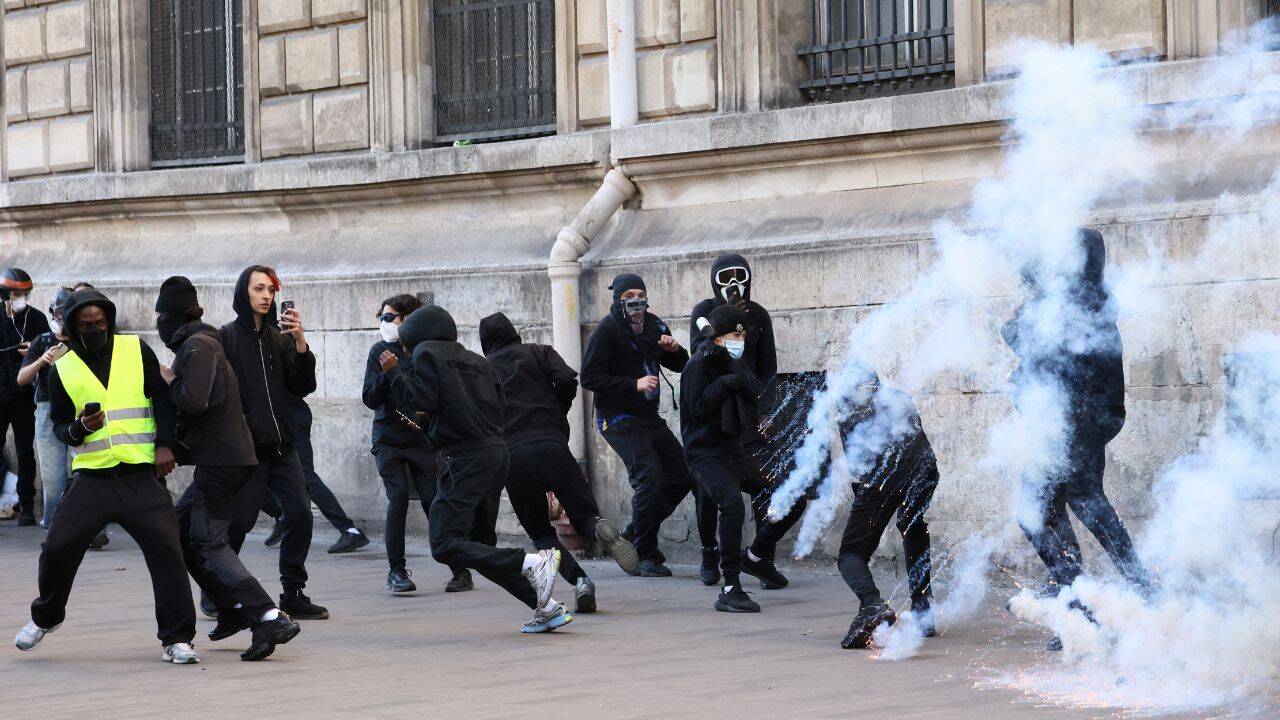
Tear gas fills the autumn air across French cities. Thousands of frustrated citizens are flooding the streets, and the clashes with police are getting brutal. If you watch the nightly news, it looks like just another routine European labor dispute. It's not.
When public anger boils over to the point where riot police deploy chemical agents in Paris and Marseille, you know the breaking point has arrived. Let's look at what's actually driving thousands into the streets and why French authorities are panicking behind closed doors.
The Spark That Lit the Powder Keg
You can trace the current unrest right back to everyday survival. Fuel prices are soaring, grocery bills are climbing, and the average worker feels squeezed from every direction. People aren't protesting out of boredom. They're doing it because their paychecks evaporate before the month even ends.
The movement actually started quietly in suburban high schools north of Paris. Students got fed up with crumbling facilities and chronic teacher shortages. That localized frustration metastasized overnight into a massive nationwide campaign. It targeted inequality, stagnant wages, and the slow erosion of France's social safety net.
Prime Minister Sebastien Lecornu admitted openly that authorities fear serious unrest. When the government points fingers at hard-left political factions like France Unbowed for stoking the flames, it shows how nervous leadership really is. Blaming politicians doesn't fix a hungry populace, though.
Why This Protest Is Different From the Rest
France has a proud, historic tradition of striking. Mention a general strike to a Parisian, and they might just shrug. But this wave feels different. It connects disparate groups who rarely march together.
- High school students fighting for better educational funding.
- Blue-collar workers crushed by fuel costs and inflation.
- Middle-class families watching their standard of living shrink.
When you lock down iconic zones like the Champs-Elysees and keep demonstrators away from the Arc de Triomphe, you only push the anger into narrower streets. That tactical containment makes clashes far more volatile. Protesters in Marseille didn't just march—they hurled heavy projectiles at police lines, prompting immediate and heavy-handed chemical responses.
The Real Cost of Living Crisis
Let's look past the political posturing. European inflation has battered households for years, but France's unique social model is currently straining under the weight. Citizens expect public services, healthcare, and education to function at a high baseline. When those pillars start crumbling simultaneously, trust in the state evaporates.
You can't lecture people about fiscal responsibility when basic groceries cost a third more than they did two years ago. Officials keep warning about public disorder, yet they rarely address the root economic rot. Ignoring structural wage stagnation while deploying more riot gear is a losing strategy.
What Happens Next on the Ground
The unrest won't vanish simply because the police clear a boulevard with tear gas. Labor unions are organizing rolling strikes, transport networks face constant disruption, and public sentiment heavily favors the demonstrators.
If you're planning travel to France or trying to run a business there, expect major operational hurdles. Keep a close eye on local transit announcements and avoid any large public gatherings. The underlying economic pressures aren't going away anytime soon, and neither are the people demanding relief.