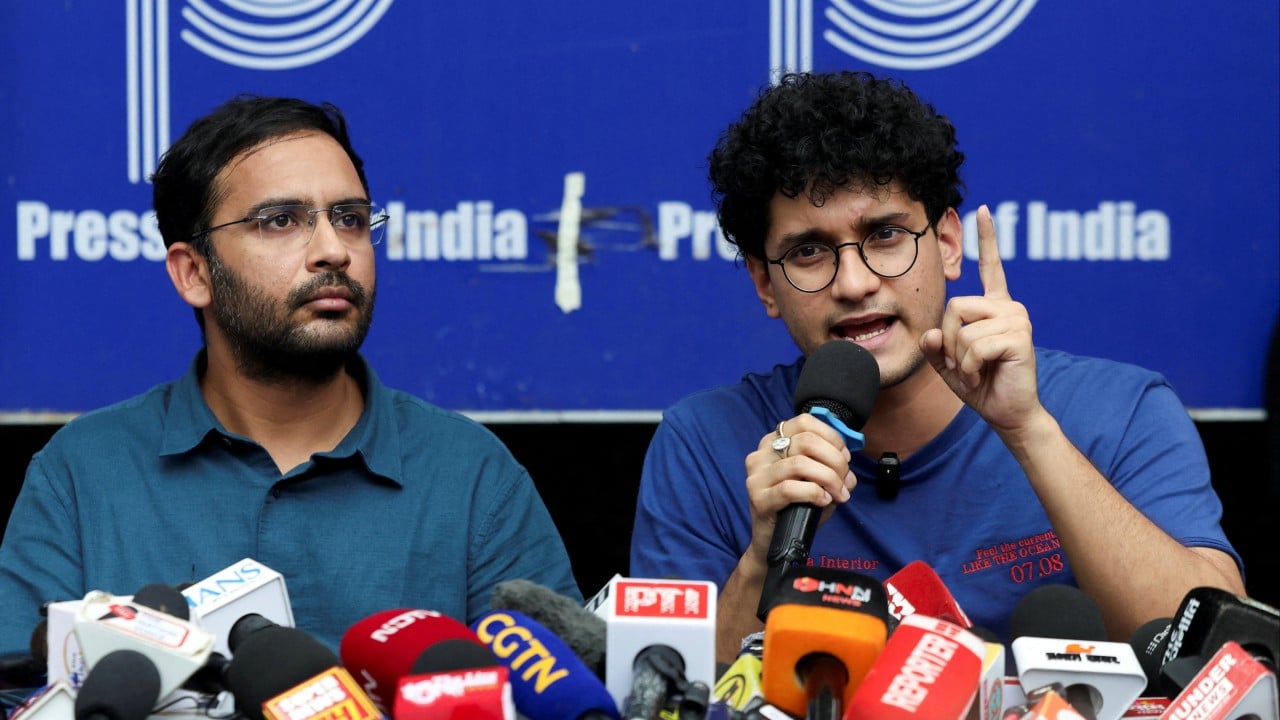
Youth resistance in South Asia just took a raw, physical turn. Two prominent figures steering India’s youth-led Cockroach Janta Party—Ashutosh Ranka and Saurav Das—were sent to five days of judicial custody in New Delhi after clambering over security barricades to stage a flash demonstration.
If you are wondering why young citizens are adopting an insect as their political mascot, the answer goes back to a derogatory offhand remark by a high-ranking judicial figure earlier this year comparing unemployed youth to parasites. Instead of backing down, Gen Z and millennial activists owned the insult, turning the resilient cockroach into a badge of honor. Now, that digital satire has morphed into physical defiance against heavy-handed governance and contested electoral mechanics.
The Spark Behind the Cockroach Uprising
You cannot understand these arrests without looking at the massive friction over voter list revisions. Over the past year, authorities have pruned more than 130 million names from nationwide voter rolls. Government officials and the Election Commission insist this administrative purge is routine, arguing it only targets duplicates and ineligible voters to keep polls clean.
Critics and opposition factions see a completely different reality. They argue that the deletions disproportionately target marginalized demographics and communities unlikely to back Prime Minister Narendra Modi’s ruling Bharatiya Janata Party. With general anxieties high, the Cockroach Janta Party mobilized alongside major opposition blocs to demand the immediate resignation of Chief Election Commissioner Gyanesh Kumar. More details into this topic are covered by TIME.
When authorities stripped Delhi's historic Jantar Mantar avenue of its designated protest status overnight, activists refused to treat the ban as the final word. Ranka and Das live-streamed their daring breach, scaling steel barricades to plant the Indian national flag on restricted ground before police chased and detained them.
The Politics of Dissent in Modern Delhi
The state response has been swift and unyielding. Thousands of demonstrators faced brief detentions during rallies, while key protest nodes were cordoned off with heavy razor wire and checkpoints. Opposition heavyweights like Rahul Gandhi have publicly blasted the heavy police presence, calling the clampdown an act of pure cowardice.
Yet, the state machinery views these actions through a lens of public order and national stability. Officials maintain that unauthorized assemblies disrupt capital infrastructure and that political groups are simply weaponizing administrative procedures to delegitimize lawful institutions.
This isn't the first time this youth coalition has rattled the establishment. Earlier in the year, similar satirical pressure helped force the resignation of the federal education minister following widespread exam scandals—a rare political defeat for an administration that has dominated Indian politics for over a decade. That victory proved to young organizers that disruption works, even against formidable odds.
What Happens Next for the Movement
Jailing youth leaders for five days on trespassing charges won't silence a movement built entirely on defiance and online mobilization. The CJP operates with a decentralized structure that thrives on viral visibility, making traditional crackdowns less effective than they might have been a decade ago.
When states attempt to legislate away public anger by unlisting protest zones, they usually achieve the opposite effect. They drive demonstrations underground or onto digital feeds where they gain even more momentum.
Watch how other regional student groups respond over the coming week. If the judiciary takes a harder stance, expect the protests to pivot toward digital campaigns and localized campus rallies that are much harder for authorities to cordon off with steel fences.