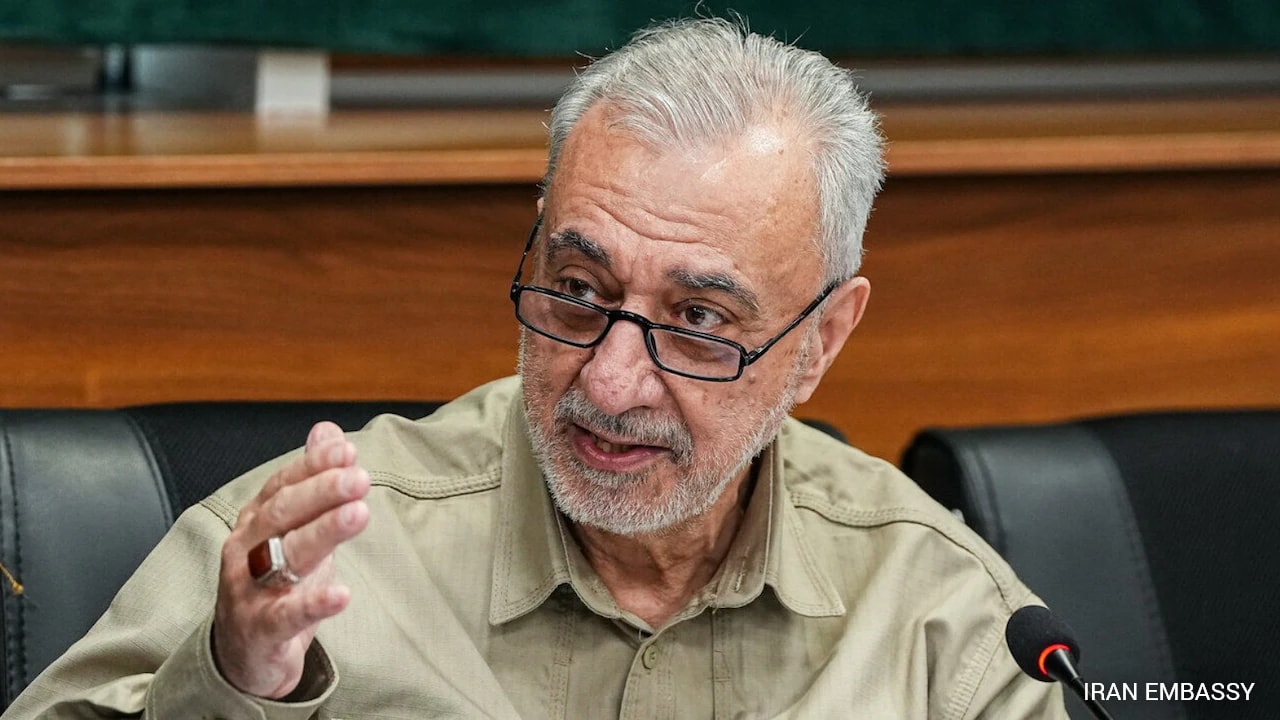
Tehran just installed a new defense minister, and he isn't wasting any time drawing red lines. Mehrdad Akhlaghi stepped into the role with a blunt warning for Washington and its regional partners, promising severe retaliation if hostilities flare up again.
If you're wondering what this means for the fragile status quo in the Middle East, the answer is simple. Iran's military leadership isn't backing down, even after months of intense conflict that reshaped the region's security landscape.
Let's look at what actually happened and why this appointment matters.
The Man Behind the Threat
Aziz Nasirzadeh didn't survive the opening hours of the war. When US and Israeli strikes hit a leadership compound on February 28, killing Nasirzadeh alongside former supreme leader Ayatollah Ali Khamenei and top commanders, Tehran faced an immediate leadership vacuum.
Enter Mehrdad Akhlaghi.
Lawmakers in the Islamic Consultative Assembly overwhelmingly approved Akhlaghi, handing him 237 votes out of 277. He isn't a traditional field general wearing fancy badges. He's a career bureaucrat and industrialist who spent 42 years inside the defense ministry. Since 2013, he managed the Iranian Defence Industries Organisation, the very state entity responsible for churning out domestic weaponry under suffocating economic sanctions.
That background changes everything. Akhlaghi didn't rise through frontline combat divisions. He rose by building missiles, drones, and military hardware while the rest of the world tried to lock Iran out of global supply chains.
What Akhlaghi Actually Said
Speaking to reporters right after his confirmation, Akhlaghi didn't mince words.
"People can rest assured that they will most likely not dare to attack us," Akhlaghi stated. "If they do, they themselves and the region will suffer enormous damage."
It's a classic deterrent posture, but the timing is what catches attention. This comes nearly eight months after the initial US-Israeli campaign. Tehran is signaling that its manufacturing pipelines are still functional, its supply chains are adapting, and its appetite for asymmetric deterrence remains completely intact.
Washington has largely tried to manage the aftermath of the early strikes without getting sucked into a permanent regional quagmire. But threats of "enormous damage" remind everyone how quickly things can spiral back out of control.
The Sanctions Backdrop
You can't talk about Akhlaghi without mentioning his history with international bodies. The United Nations slapped sanctions on him way back in 2007 for his direct involvement in nuclear and ballistic missile programs.
For Western intelligence agencies, putting a sanctioned technocrat at the head of the entire defense apparatus is a loud message. Tehran isn't looking to appease international critics or moderate its posture. They've elevated an insider who knows how to keep the military-industrial complex humming despite decades of economic isolation.
When you spend four decades engineering workarounds for sanctions, you learn how to make weapons independently. That experience is precisely what Iran's leadership wanted at the helm as they rebuild after the February strikes.
What Happens Next
The immediate question is whether Washington takes this warning as empty posturing or a genuine tactical threat.
Regional proxies and missile stockpiles remain the primary tools Iran uses to project power outside its borders. With Akhlaghi managing logistics and production, the focus will likely stay on domestic defense manufacturing and maintaining high readiness across regional networks.
Don't expect Tehran to soften its rhetoric anytime soon. The new defense chief built his career on surviving sanctions and producing indigenous arms. Now, he's using that same defiant blueprint to manage Iran's entire military posture. Watch how the US responds to the Strait of Hormuz proposals and regional patrols in the coming weeks. That will tell you whether this tension is cooling down or just getting started.



