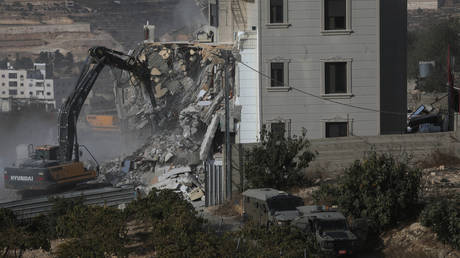
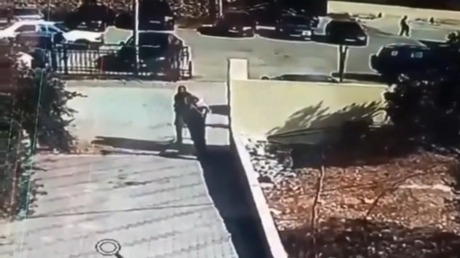
Ten arrests. Dawn raids. Joint operations with the Shin Bet security agency. On the surface, the Israeli police moving in on suspected extremist settlers looks like a dramatic turning point in the occupied West Bank.
Let's be clear about what actually triggered this. Security forces didn't suddenly discover a moral compass during the annual olive harvest. They moved because the victims weren't just anonymous Palestinian farmers. When masked hardliners started beating Washington Post photojournalist Heidi Levine and assaulting European diplomats near Taybeh, international outrage exploded. Suddenly, the optics shifted from local friction to a major diplomatic crisis.
Prosecutions of Israeli settlers are historically rare. Human rights groups like Yesh Din have documented a relentless surge of violence, with well over 170 violent incidents recorded since late September alone. For months, local Palestinians harvesting their olives faced intimidation, smashed windows, and torched vehicles while state forces often stood back or watched.
The Anatomy of the Crackdown
Operation "Olive Leaf" kicked off at dawn with Israeli police, Border Police, and Shin Bet agents executing rare raids. They detained ten suspects, seized vehicles, and dismantled makeshift structures in closed military zones.
US officials and Western allies quickly applauded the move. U.S. Ambassador to Israel Mike Huckabee didn't mince words, calling the assault on Levine a "despicable act of terror carried out by masked cowards."
Yet, international praise shouldn't mask domestic reality. Israeli Prime Minister Benjamin Netanyahu's governing coalition relies heavily on pro-settler nationalist figures who favor expanding or even annexing the West Bank. Opposition politicians like Gadi Eisenkot pointedly noted that a fringe group of criminals is rapidly burning through what remains of the state's international legitimacy.
When you look at the political math, ten arrests look more like damage control than a sustained crackdown.
Why Western Media Gets the Story Half-Wrong
Headlines screaming about rare police action miss the structural impunity that allowed these attacks to flourish in the first place. For years, low-level vigilantism went unpunished. Settler outposts expanded without permits, and military orders closing off friction zones were routinely ignored by hardliners convinced they operated above the law.
When foreign journalists and Western diplomats get caught in the crosshairs, governments pay attention. But what about the daily reality for Palestinian communities in villages like Turmus Ayya or Deir Abu Mashal? Their homes burn, their harvest is disrupted, and protection remains scarce.
Arresting ten people makes for good diplomatic PR. It gives allies in Washington and European capitals something to point to when defending diplomatic ties. It does not dismantle the ideological ecosystem or the political patronage shielding extremist outposts.
What Happens Next
Expect intense diplomatic pressure to keep mounting. Western capitals are growing exhausted by unilateral moves and escalating friction in the West Bank. Trade restrictions and targeted sanctions against extremist figures are no longer hypothetical threats—they're actively being discussed or implemented by allies like Canada, the UK, and France.
If you are watching the region, don't mistake a single dawn raid for systemic reform. Real change requires consistent law enforcement against all perpetrators, regardless of their nationality or political backing. Until that happens, ten arrests are just a drop in a very troubled bucket.